Considerate night-time listeners
You listen to jazz while someone else in the room is asleep or needs some peace and quiet. So your main concern is how much sound escapes from your headphones.


If someone else in your bedroom needs peace and quiet, a well-fitting pair of closed-back headphones is a sensible place to start. Even so, check whether your music can be heard outside the headphones at your usual listening volume. An open-back model may be more suitable if it won’t disturb anyone and you value a spacious sound. ANC can reduce the noise you hear, but it doesn’t tell you whether other people can hear your music.
You listen to jazz while someone else in the room is asleep or needs some peace and quiet. So your main concern is how much sound escapes from your headphones.
You pay particular attention to vocals, instruments and spatial presentation, and listen at times when sound leakage won’t disturb anyone.
You want to hear quiet passages despite conversations or other room noise, so you compare fit, passive isolation and, where relevant, ANC.
| Priority | What to check when buying | Who is this important to? |
|---|---|---|
| Sound leakage | Check the closed-back design and how the ear pads fit. At your intended listening volume, see whether your music can be heard in the room. | If I listen to jazz at night next to someone who’s asleep, I want as little sound as possible to escape. Around 36% of consumers would put this concern first. |
| Jazz sound and spaciousness | Compare familiar recordings on the specific model and listen for vocals, instruments and a treble response that sounds comfortable to you. | If vocals and instruments matter most to me when listening to jazz, I also want to assess the spatial presentation. Around 29% of consumers would focus on sound quality in this way. |
| Blocking out room noise | Try the headphones with typical room noises to see whether the fit and passive isolation are enough, or whether ANC makes a difference for you. | If conversations drown out quiet passages, I want to reduce the noise I hear without simply turning up the volume. Around 21% of consumers would prioritise blocking out noise from the room. |
| Comfort during longer listening sessions | Try the ear pads, clamping force and fit for as long as possible. If you’re considering a wired model, check the plug and cable routing too. | If I listen for long periods, my headphones should be comfortable and work with my audio source. Around 14% of consumers would prioritise fit and everyday practicality. |
ANC affects the noise you hear. Someone sitting next to you may still be able to hear your music.
To be considerate, assess the design, fit and sound leakage at your actual listening volume separately from the ANC function.
Open-back ear cups typically let more sound out and more room noise in.
Choose an open-back model only for listening situations where the other person is happy with the music that escapes.
The DT 770 PRO variants differ in impedance. A product description for the Sony WH-1000XM6 also gives a processor specification that differs from the information provided by Sony Germany.
Before relying on connection details or product features, check the exact impedance of the DT 770 PRO and confirm the model identity and manufacturer specifications for the WH-1000XM6.
The wrong connection may mean you need extra accessories, while an unclear product listing makes it harder to compare the actual features.
The HD 480 PRO and HD 560S have different designs: the HD 480 PRO is closed-back and wired, while the HD 560S is open-back.
The closed-back, wired FT1 is an option if you’re looking for passive headphones with a wired connection.
The closed-back DT 770 PRO is available in different impedance versions, so connection requirements depend on the specific variant.
The closed-back WH-1000XM6 combines Bluetooth and ANC with the option of a wired connection.
The 2nd Generation QuietComfort Ultra Headphones are a Bluetooth ANC option supplied with an audio cable.
The products below include wireless in-ear and over-ear headphones, including models with ANC. Check whether the design, fit and sound leakage are suitable for a shared bedroom.
 No image available
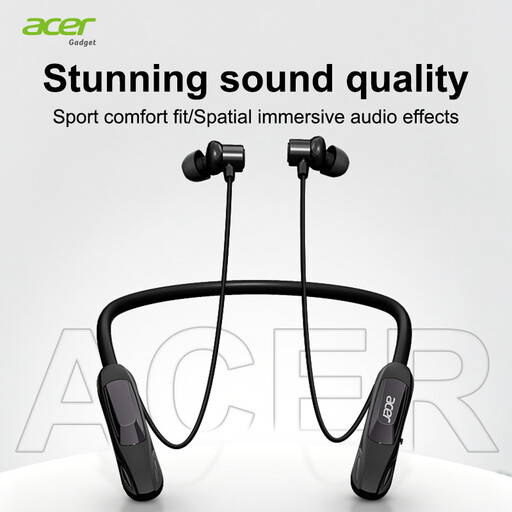
This neckband in-ear design may suit you if it’s comfortable for listening. Check how much sound escapes when using it alongside someone else.
Bluetooth 5.4; USB-C charging port.
 No image available
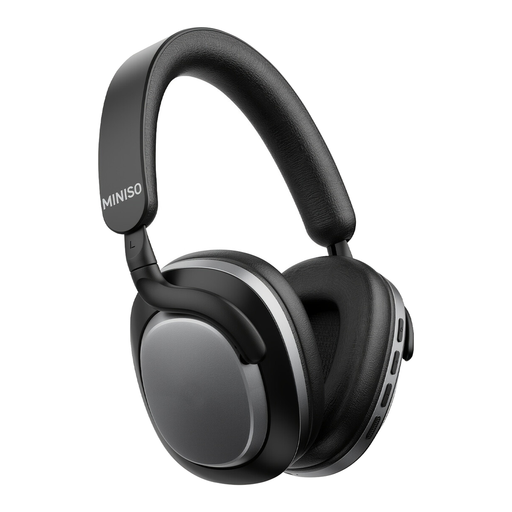
The over-ear design with noise cancellation may be an option for wireless listening. ANC alone doesn’t indicate whether someone else can hear your music.
Battery life stated in the product name: 24 hours.
 No image available
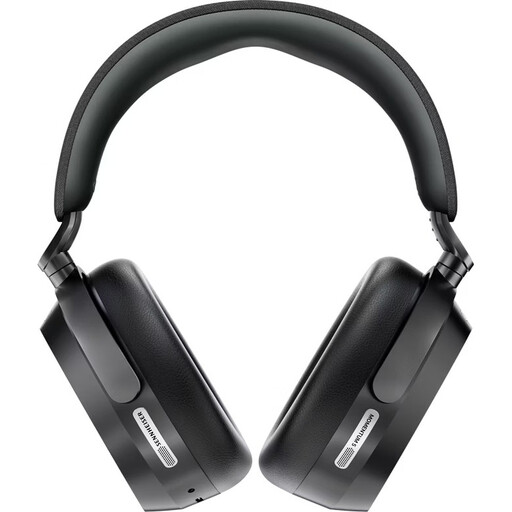
The closed-back design is a potential starting point for a shared room. Check the fit and sound leakage at your usual listening volume.
ANC; Bluetooth 5.4; stated playback time of up to 57 hours.
 No image available
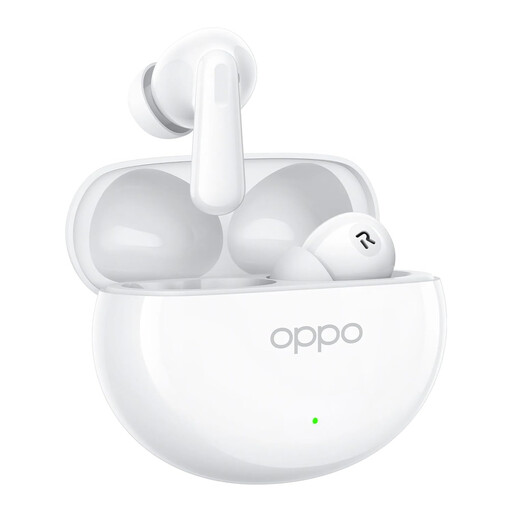
This true wireless in-ear design is a cable-free alternative. Check that it’s comfortable for longer jazz listening sessions and considerate enough for use in a shared room.
Colour listed in the product name: Glacier White.
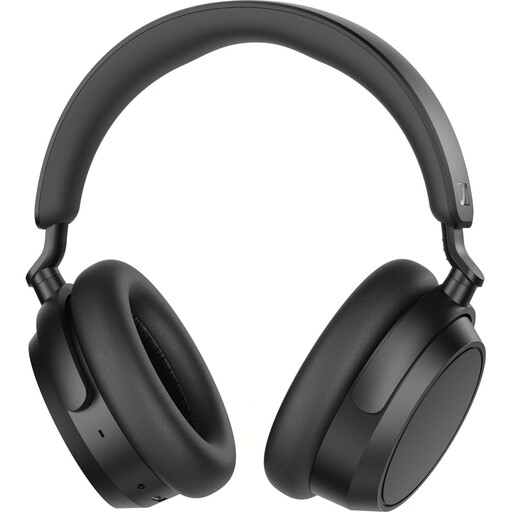 No image available
These wireless over-ear headphones with ANC may suit you if you want to reduce the room noise you hear. Assess how much sound they let out separately.
Bluetooth 5.2 with aptX and multipoint; stated playback time of up to 50 hours; detachable cable.
No, you can’t assume that from ANC: the feature affects the noise you hear. For the person next to you, what matters is how much sound the specific headphones let out, how they fit and how loud you listen.
Compare the output on your audio source with the plug and, if needed, adapter supplied with the exact model. For the 32-ohm DT 770 PRO, for example, beyerdynamic specifies a 3.5 mm plug and a 6.35 mm adapter. This doesn’t automatically apply to other variants or devices.
For a standard online purchase from a trader in the EU, you generally have 14 days from receiving the goods to cancel. Exceptions may apply, and you may have to pay the cost of returning the item. Separately, if goods are faulty, you have statutory consumer rights against the seller; EU law sets a minimum period of two years.