
Lieferung heute & morgen

Qualitätsgarantie

Willkommens-Angebote freischalten: KOSTENLOSE Lieferung | Bis zu 80 % RABATT | Kostenlose 30-Tage-JoyPlus-Testphase
App herunterladen
Jelly snacks combine fruity flavours with a soft, elastic or chunky texture. The range includes konjac jelly, jelly drinks, fruit jelly, pudding jelly, nata de coco jelly and gummy sweets. Conveniently portioned, they are ideal for eating on the go, adding to a lunchbox or enjoying as a chilled jelly dessert.
However, your choice should not be based solely on flavour or eye-catching packaging. Ingredients, sugar content, allergens, texture and storage conditions all determine whether a product is suitable for your intended use.
A jelly drink labelled “Light” may contain less energy or sugar than a comparable version, but it can still contain sugar and sweeteners. For example, Jele Light-Grape lists 40 kcal and 7.0 g of sugar per 100 g. According to the product data, Jele Light-Orange contains 32 kcal and 7.7 g of sugar per 100 g.
If you want to compare sugar content, always refer to the nutrition table per 100 g or 100 ml. Otherwise, the serving size may suggest a lower figure, even if you consume several pouches or cups.
Many Asian sweets get their flavour from a combination of fruit juice, concentrate and flavourings. This is common in jelly snacks, but it says little about the actual fruit content. When comparing products, it is therefore worth checking the ingredients list. If water, sugar or glucose syrup appear before fruit juice and fruit pieces, the product is generally a sweet dessert rather than a pure fruit snack.
Jellies in pouches, cups or individual portions can differ considerably in how easy they are to use. A jelly drink with a straw is suitable for quick consumption, while pudding jelly or fruit jelly is usually eaten with a spoon. For children, follow the information on the packaging and take the texture into account. Depending on the product format and the child’s age, small portions may present a choking risk. The packaging should be undamaged, and the relevant consumption instructions should be followed after opening.
The following information is particularly important when choosing a suitable product:
Values vary considerably within this category. According to the product information, konjac jelly can have a very low energy content, while gummy sweets are significantly higher in energy because of their sugar and glucose syrup. For example, YOYO Gummy Jelly Grape lists 327 kcal and 66 g of sugar per 100 g. According to the data, a jelly drink such as Strong CICI Mango contains 58 kcal and 12.5 g of sugar per 100 ml.
For a calorie-conscious purchase, konjac jellies or light versions may be a suitable choice. “Low calorie” refers solely to the stated energy content and is not a medical or therapeutic claim.
Unopened products can often be stored in a dry place at room temperature. Once opened, however, different rules may apply. Several products must be consumed immediately, or refrigerated and used within a short period. For XCLL Grass Jelly Dessert Pot, for example, the recommendation is to refrigerate the opened product and consume it within 24 hours.
Multipacks such as 6 × 125 g are suitable for stocking up, while individual cups or pouches are easy to portion for work, school and day trips. The best-before date is shown on the relevant packaging.
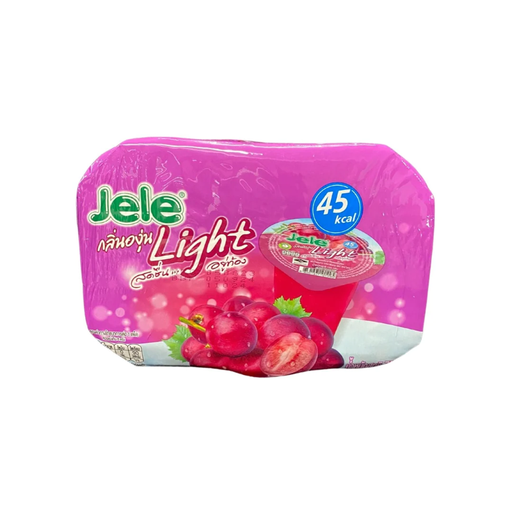
Why this product suits this profile: The six-pack contains six 125-g portions and a ready-to-drink jelly drink with grape flavour. The pouches, with integrated straws, are designed for eating on the go or adding to a lunchbox.
The nutritional values are stated per 100 g, making comparisons easier. Despite the “Light” label, the product contains sugar and sweeteners according to the available data.
40 kcal per 100 g, a total quantity of 750 g and portioned pouches with straws.
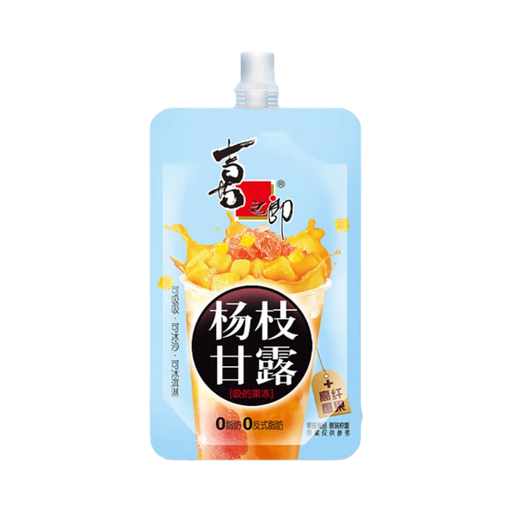
Why this product suits this profile: Mango purée, grapefruit juice and nata de coco combine several textures in one 150-g pouch. The ingredient and allergen information is listed in detail.
The product data specifies the proportions of nata de coco, grapefruit juice and mango, as well as milk and soya as allergens.
Fruit purée and 3.5% nata de coco according to the product information; a ready-to-eat individual 150-g portion.
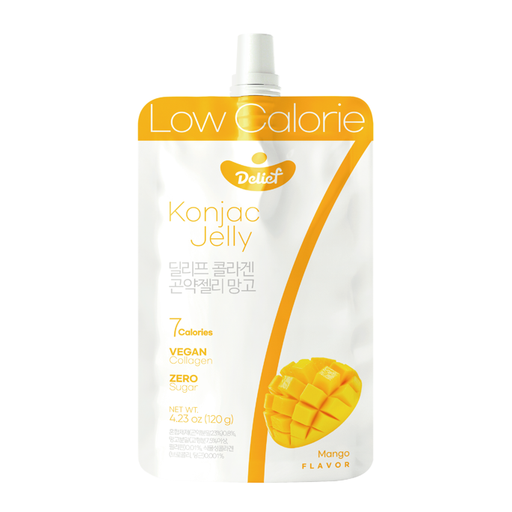
Why this product suits this profile: The mango version is labelled as vegan and, according to the nutritional information, contains 5 kcal and 0 g of sugar per 100 g. The 120-g format is suitable as an individual snack portion.
The choice is based not only on the mango flavour, but also on the dietary requirements and stated nutritional values.
Vegan labelling, a 120-g portion and 5 kcal per 100 g according to the product information.
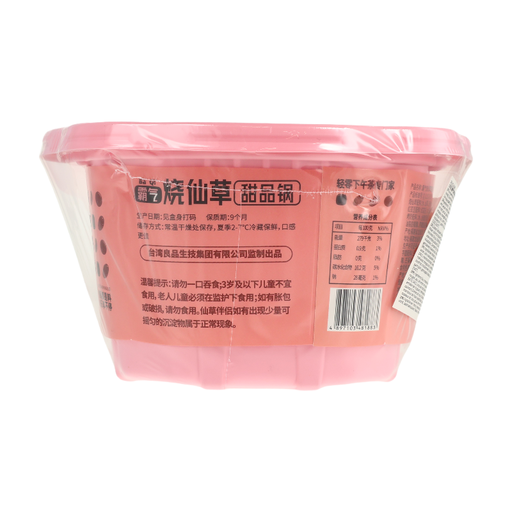
Why this product suits this profile: The large dessert cup contains grass jelly made from Mesona chinensis powder. It can be enjoyed chilled straight from the cup or used as a base for fruit, syrup and bubble tea toppings.
The 338-g portion size and versatile uses make the cup clearly suited to enjoying at home rather than as a quick individual snack.
36 kcal per 100 g according to the product information, a resealable dessert cup and the option to eat it straight from the packaging.
We have put together a complete, regularly updated list of products that fully meet these strict selection criteria and the safety regulations applicable in the EU.
Individual portions of 80 to 150 g are generally easy to transport. Before packing them, check the packaging, storage instructions and recommended way of eating. Opened jellies should not be kept for later if the manufacturer advises consuming them immediately.
The best-before date is shown on the packaging. Unopened products are often stored in a dry place away from direct sunlight. Refrigeration may be required after opening. The instructions provided by the relevant manufacturer always take precedence.
No. Vegan describes a composition free from animal ingredients; it does not indicate the sugar or energy content. A vegan konjac jelly may have low nutritional values, while other vegan jellies contain sugar, syrup or fruit juice concentrate. For comparison, refer to the nutrition table per 100 g.