
Lieferung heute & morgen

Qualitätsgarantie

Willkommens-Angebote freischalten: KOSTENLOSE Lieferung | Bis zu 80 % RABATT | Kostenlose 30-Tage-JoyPlus-Testphase
App herunterladen
Jelly snacks are available as classic fruit gums, individual jelly desserts, konjac jelly, pudding jelly and nata de coco products. The choice ranges from familiar gummy bears to Asian jelly snacks containing fruit pieces, juice concentrate or a drinkable texture. When shopping in Germany, however, taste is not the only consideration. Ingredients, allergens, portion size and storage instructions all determine whether a product is suitable for the occasion you have in mind.
The front of the pack often features terms such as strawberry, mango or grape. However, the ingredients list is what really matters. A product may contain flavouring, juice concentrate or a relatively small amount of fruit. For example, YOYO Gummy Jelly Strawberry contains 10% strawberry juice, while other fruit gum snacks consist primarily of sugar, glucose syrup and gelling agents.
If you are looking for a clearly fruity flavour, look for specific details such as fruit juice content, ‘fruit pieces’ or ‘fruit purée’. The description ‘with fruit flavour’ alone reveals little about the product’s composition.
Konjac jelly and some jelly desserts contain less energy per 100 grams than classic gummy bears. This does not automatically mean that they are suitable for every diet. Sweeteners, types of sugar and the actual portion size should also be taken into account.
For comparison: according to the product information, Haribo Goldbears Classic Fruit Gums contain 343 kcal and 46 g of sugar per 100 g. Cocon Pudding Jelly Mixed Fruit Flavor is listed as containing 78,87 kcal and 15 g of sugar per 100 g. These figures refer to 100 g in each case, not necessarily to a single portion.
Jelly snacks vary considerably in texture. Classic fruit gum is elastic and chewy, pudding jelly is softer, while nata de coco contains small, firm coconut gel cubes. Drinkable varieties can be consumed directly from the pouch.
For young children, a smooth or compact jelly consistency may present a choking risk. The age recommendations and safety instructions on the packaging should be followed. Products carrying warnings about colourings or sweeteners should also be checked carefully.
If you want to avoid animal-derived ingredients, look specifically for vegan or gelatine-free products. Classic gummy bears often contain gelatine. Gelatine is listed as an ingredient in Haribo Goldbears; traces of milk and wheat may also be present. This is relevant for people with allergies or specific dietary preferences.
Konjac jelly is made using konjac powder or konjac flour. In nata de coco products, the characteristic cube shape comes from coconut gel. Nevertheless, such desserts may contain milk powder. For example, Cocon Nata de Coco Dessert Strawberry lists milk as an allergen.
The pack price alone is not enough for a meaningful comparison. It is worth checking:
A pack containing several 80-g or 125-g cups may be more practical for sharing than one large bag. Mini bags, on the other hand, make hygienic portioning and distribution easier.
Most jelly snacks should be stored in a dry place away from heat. Jelly desserts in cups or pouches often come with additional instructions: refrigerate after opening and consume promptly. Jelly B Konjac Jelly Blueberry should be resealed, refrigerated and consumed shortly after opening. Nata de coco desserts should also generally be refrigerated after opening.
Before buying products for storage, check the best-before date on the individual packaging. For travel without access to refrigeration, unopened, shelf-stable individual portions are more suitable than dessert cups that have already been opened.
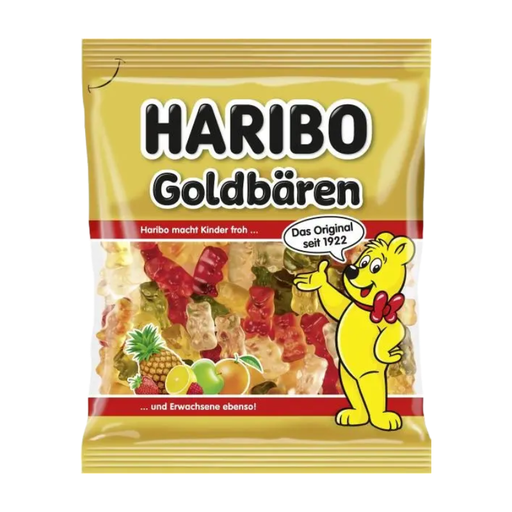
Why this product suits this profile: The 175-g pack offers a straightforward selection of classic fruit gum varieties for everyday snacking or sharing.
The ingredients and nutritional information are clearly stated. Buyers can see that it contains gelatine and provides 46 g of sugar per 100 g.
Six fruit-inspired varieties, a net weight of 175 g and production by HARIBO GmbH & Co. KG in Germany according to the product information.
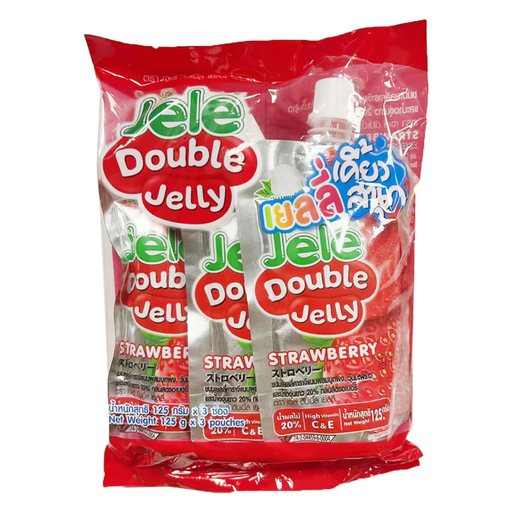
Why this product suits this profile: Three separate 125-g cups combine strawberry jelly with nata de coco pieces, making them ideal as individual desserts.
The pack states 15% nata de coco, 15% fruit juice from concentrate and 9 g of sugar per 100 g. This makes it easier to assess the composition.
A double texture, 46 kcal per 100 g according to the product information, and practical individual cups for lunch boxes, picnics or dessert.
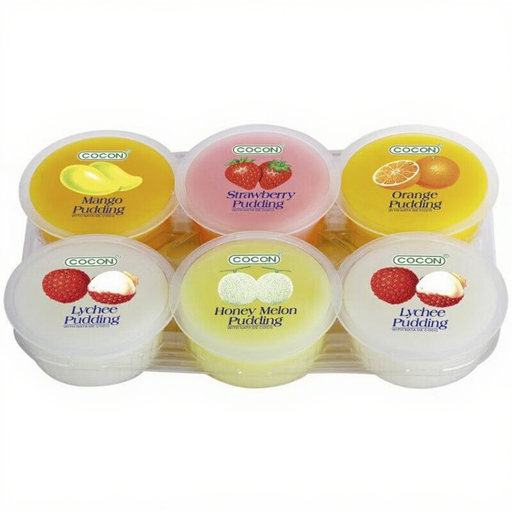
Why this product suits this profile: Six individual portions with lychee, mango, strawberry, orange and honeydew melon notes are ideal for families, parties or several dessert occasions.
The format means that a large pack does not need to be stored for a long time after opening. Milk is listed as an allergen and should be taken into account before purchase.
480 g total weight, six cups and 17% nata de coco according to the product information; ready to eat without any preparation.
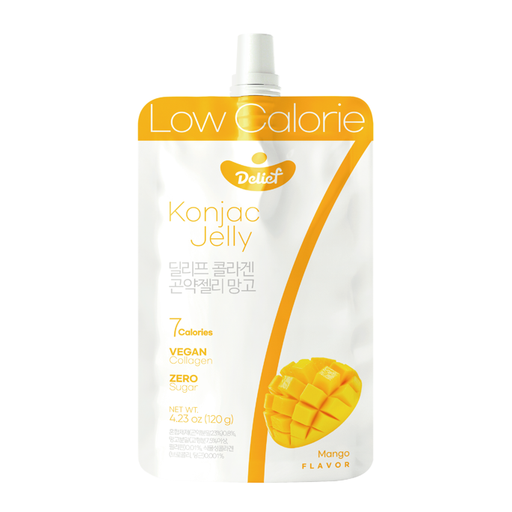
Why this product suits this profile: This individual pack is appealing to anyone looking for a vegan konjac jelly with mango flavour and a very low stated energy content.
The stated 5 kcal and 0 g of sugar per 100 g are complemented by the ingredients list, which includes sweeteners. This prevents the product from being assessed solely on its calorie content.
Identified as vegan, with a net weight of 120 g and a konjac base; store in a dry place protected from direct sunlight.
We have put together a complete, regularly updated list of products that fully meet these strict selection criteria and the safety regulations applicable in the EU.
Konjac jelly is made with konjac powder and often has a smooth, elastic jelly texture. Classic fruit gum, on the other hand, often contains gelatine and is generally chewier. The exact recipe varies by product and is listed in the ingredients.
When stored in a dry place away from heat, unopened products can generally be kept until the best-before date printed on the packaging. Once opened, follow the instructions on the packaging. Jelly desserts often need to be refrigerated and consumed promptly.
This depends on the ingredients, texture, packaging and the child’s age. Compact jelly products and small cubes may present a choking risk. Parents should read the warnings, supervise children while they eat and only offer products in accordance with the relevant labelling.