
Lieferung heute & morgen

Qualitätsgarantie

Willkommens-Angebote freischalten: KOSTENLOSE Lieferung | Bis zu 80 % RABATT | Kostenlose 30-Tage-JoyPlus-Testphase
App herunterladen
Finding the right jigsaw puzzle sounds simple enough. In practice, however, jigsaws for children, educational puzzles and jigsaws for adults can differ considerably in piece size, material, design and difficulty. A set that looks appealing may be too difficult for a toddler, too easy for an adult or simply unsuitable as a gift.
Three common buying pitfalls are worth watching out for:
The manufacturer’s age recommendation is a good place to start. For babies and toddlers, choose large, easy-to-grip pieces with rounded edges and simple shapes. A jigsaw for ages 2+ usually has just a few larger pieces. A jigsaw for ages 3+ may have smaller pieces, but should still be manageable.
For products with small parts, the ‘not suitable for children under 3 years’ warning is particularly important. Even when a product is marked as suitable from 12 months, adult supervision is recommended. Check the pieces, wooden knobs and edges regularly for damage, splinters or loose fittings.
Wooden puzzles are a popular choice for first shape-fitting and matching activities. Look for:
For cardboard jigsaws, the thickness of the material, well-fitting pieces and a sturdy base are key. A tray puzzle can help beginners, as the outlines make it easier to place the pieces. With an educational puzzle, the specific learning benefit should be clear, such as recognising colours and shapes, matching animals or developing spatial awareness. A general marketing claim alone isn’t a reliable way to choose.
The number of pieces is only one factor to consider. A 3D puzzle, a logic game for children or an EXIT Puzzle can be more challenging than a traditional picture jigsaw, even if it has fewer pieces. Also check:
A Ravensburger puzzle with a tray may suit younger children, while a SmartGames puzzle often focuses on logic challenges and spatial solutions. The brand and design alone, however, don’t replace checking the specific product details.
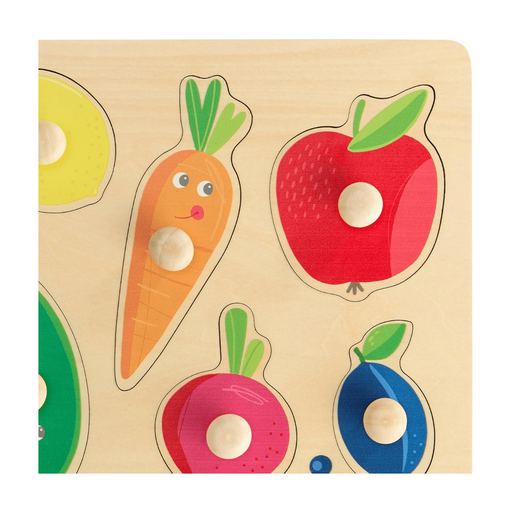
Why it suits this type of puzzler: This wooden puzzle for ages 12 months+ has large handles and simple fruit and colour shapes for first matching activities.
The age recommendation, material and large wooden knobs are clearly specified. That makes it easier to distinguish this product from an unsuitable puzzle with small parts.
Solid wood, large handles and a simple shape-fitting design; according to the product details, it’s intended for children aged 12 months and over.
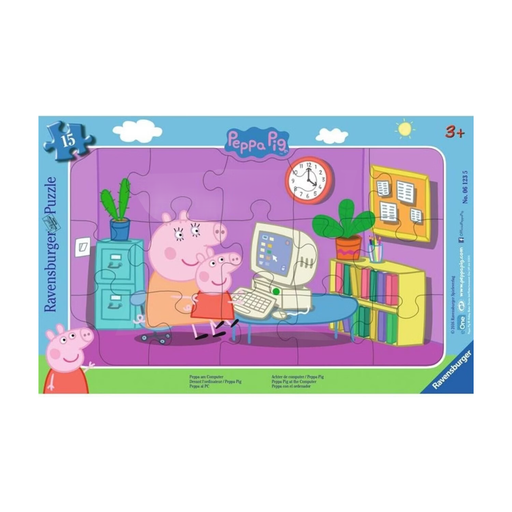
Why it suits this type of puzzler: This 15-piece tray puzzle is designed for children aged 3 and over, with outlines to help guide them.
The low piece count and tray keep the puzzle manageable. This reduces the risk of choosing a picture puzzle that’s too difficult for a beginner.
15 pieces, outlines in the tray, extra-strong material and a size of approximately 25 x 14.5 cm, according to the product details.
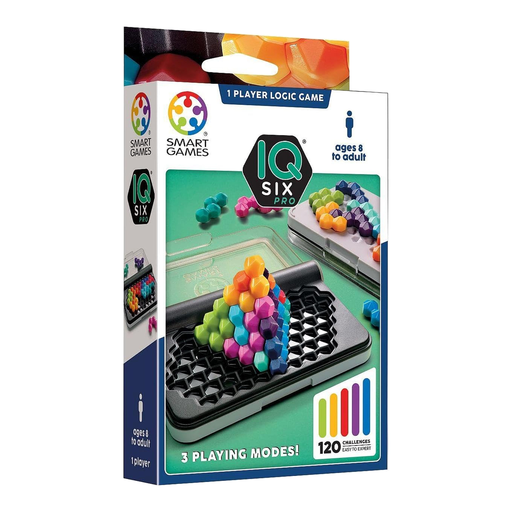
Why it suits this type of puzzler: This compact logic game for children aged 8 and over offers 2D, 3D and pyramid challenges for playing at home or on the go.
The different types of challenge and three ways to play are clearly explained. This helps buyers tell the difference between a traditional picture puzzle and a spatial reasoning challenge.
120 challenges, three ways to play, a compact design and no batteries required, according to the product description.
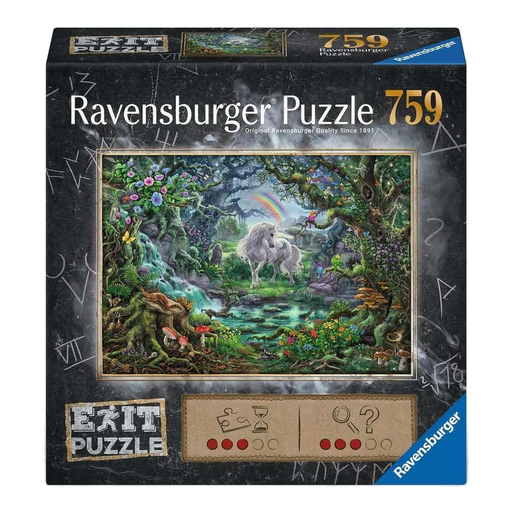
Why it suits this type of puzzler: This 759-piece EXIT Puzzle is designed for adults and children aged 12 and over. It combines jigsaw puzzling with a final riddle to solve.
The piece count, minimum age and additional riddle are all specified. This makes it easy to distinguish from a simple picture puzzle.
759 cardboard pieces, a 70 x 50 cm format and a combined jigsaw and riddle challenge; no batteries are required.
We’ve put together a complete, regularly updated list of products that meet these strict selection criteria and the safety regulations in force across the EU.
For children aged 12 months and over, wooden peg puzzles with large handles and a few clearly recognisable shapes are a good option. Check the manufacturer’s recommendation, sturdy fittings and rounded edges, and make sure an adult supervises play. Don’t continue to use damaged pieces.
It depends on the child’s age and experience, as well as the type of puzzle. A few large pieces are a good choice for a first attempt. For example, a jigsaw for ages 3+ might have 15 pieces, while older children may be ready for several hundred pieces or an EXIT Puzzle. With logic games, the structure of the challenges matters too, not just the number of pieces.
A jigsaw makes a particularly good gift when the design and how it’s played suit the recipient. For traditional picture designs, choose a higher piece count. If they enjoy riddles and stories, an EXIT Puzzle could be a good choice. A 3D puzzle or compact SmartGames puzzle may appeal to someone who enjoys spatial reasoning. Before buying, check the age recommendation and size, and consider whether it’s designed to be played alone or in a group.