
Lieferung heute & morgen

Qualitätsgarantie

Willkommens-Angebote freischalten: KOSTENLOSE Lieferung | Bis zu 80 % RABATT | Kostenlose 30-Tage-JoyPlus-Testphase
App herunterladen
A jigsaw puzzle can be a rewarding activity for children aged 2 to 5. However, not every puzzle is right for every stage of development. Too many pieces can be overwhelming, while a very simple picture may quickly lose its appeal. Attractive packaging also tells you little about how easy a puzzle is to handle, its materials or how well it will stand up to everyday use.
“48 pieces” sounds straightforward at first. But it’s important to check whether the product contains one picture or several puzzles. A children’s jigsaw puzzle with 3x48 pieces has three pictures, each with 48 pieces, so it’s more suitable for children who have already had some experience with jigsaws.
For younger children, larger pieces, clear outlines and fewer pieces per picture may be a better choice. The age recommendation on the packaging is a useful guide, but it doesn’t replace an assessment of the individual child’s abilities.
A Disney Frozen jigsaw puzzle or a dinosaur design may capture a child’s attention. But that alone doesn’t guarantee that the puzzle is the right level of difficulty. Also check:
A popular design is especially practical when it’s paired with a suitable number of pieces and child-friendly design features.
Jigsaw puzzles are usually made from printed cardboard. The key differences lie in the thickness of the material, the quality of the cut and the surface finish. A matt, textured finish can reduce glare. Precisely cut pieces can make a puzzle easier to put together, though suitability depends on the product and the child’s age.
Also check the age recommendation, warnings and whether the puzzle contains small pieces. Many classic jigsaw puzzles aren’t suitable for children under 3 because of the risk of swallowing small parts. Children under 5 should be supervised while playing, particularly when using puzzles with smaller pieces.
The following age ranges can serve as a rough guide:
These aren’t hard and fast rules. A child with plenty of jigsaw experience may be ready to move up to more pieces sooner. Others benefit from several easy puzzles that give them a sense of achievement.
Dinosaur puzzles, vehicles, animals and characters from well-known films appeal to different interests. For beginners, pictures with clearly defined colours, large areas and distinct features are usually easier to follow than images with lots of similar details.
So, if you’re buying a jigsaw puzzle as a gift, think about the child’s interests and previous experience as well as their age.
A children’s jigsaw puzzle set includes several pictures, offering more variety. A metal case or sturdy box makes it easier to keep everything together. If the puzzles will be used often, a clear picture guide and a low-glare surface are also useful features.
Jigsaws can encourage children to match shapes and colours, develop hand-eye coordination and stick with a task. These are possible benefits of play, not medical or therapeutic effects.
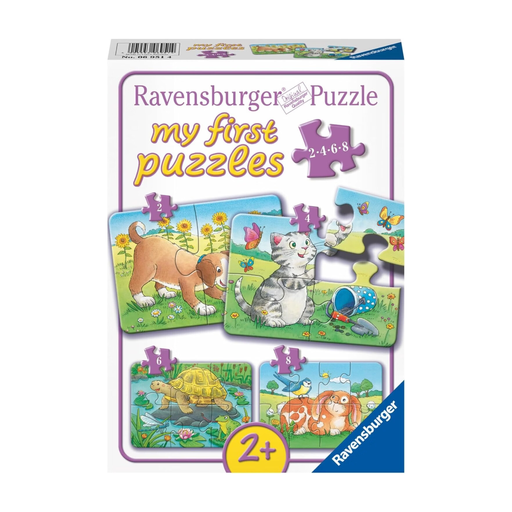
Why this product suits this profile: According to the product description, this set is intended for children aged 2 and over, and contains four jigsaw puzzles with gradually increasing levels of difficulty. It’s a good way to get started with jigsaws at home.
The different difficulty levels mean beginners don’t have to start with a puzzle that has too many pieces. The sturdy cardboard pieces are designed for small hands.
Four pictures, a recommended age of 2 and over, and familiar animal designs.
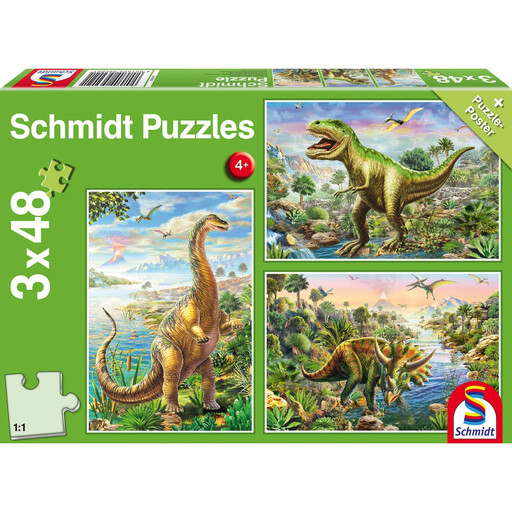
Why this product suits this profile: According to the product details, this set is intended for children aged 4 and over and includes three jigsaw puzzles with 48 pieces each. The dinosaur pictures offer variety for children who enjoy doing jigsaws regularly.
The jigsaw posters with outlines of the pieces make it easier to get started. According to the product description, the matt, linen-textured surface is designed to reduce glare.
Three 48-piece jigsaw puzzles, precisely cut pieces and three dinosaur scenes.
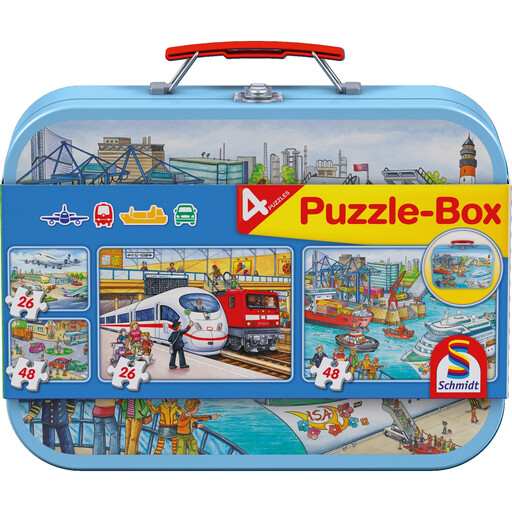
Why this product suits this profile: The box contains four jigsaw puzzles: two with 26 pieces and two with 48. The metal case is handy for families who use several pictures and want to keep the pieces neatly stored.
The two piece counts offer different levels of challenge. The jigsaw posters help children match the pieces, while the case can make it less likely that individual pieces will go missing.
Four vehicle pictures, two difficulty levels and a metal storage case.
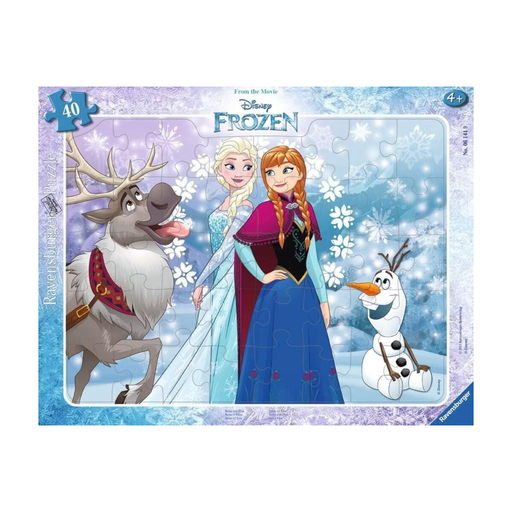
Why this product suits this profile: According to the product description, this Disney Frozen jigsaw puzzle is intended for children aged 4 and over and comes with a base showing the outlines of the pieces. This can make it easier for fans of the characters to get started.
The frame base provides a guide and reduces the need to search for the right position. With 40 pieces, the puzzle remains manageable.
40 pieces, an Anna and Elsa design and a handy frame base.
We’ve put together a complete, regularly updated list of products that meet these strict selection criteria and the safety regulations in force in the EU.
For a 4-year-old, jigsaw puzzles with around 24 to 48 pieces per picture are often a good option. The child’s experience, the size of the pieces and how easy the picture is to follow are also important. A picture guide or frame base can make it easier to get started.
How long a puzzle lasts depends on the thickness of the material, the quality of the cut, how it’s stored and how it’s handled. Keeping the cardboard pieces dry in the original box or a case helps protect them. Missing pieces are usually difficult to replace, so it’s worth putting everything away neatly after play.
A jigsaw puzzle makes a suitable gift when the child’s age, interests and the level of difficulty are a good match. For younger children, large pieces that are easy to pick up and simple pictures are important. From age 4, themed sets featuring dinosaurs, vehicles or Disney characters can be a good choice.