
Lieferung heute & morgen

Qualitätsgarantie

Willkommens-Angebote freischalten: KOSTENLOSE Lieferung | Bis zu 80 % RABATT | Kostenlose 30-Tage-JoyPlus-Testphase
App herunterladen
A jigsaw puzzle can be a worthwhile activity for toddlers and pre-schoolers. However, not every picture, material or number of pieces is suitable for every age. Parents and grandparents often end up with the wrong purchase when they choose based only on colourful pictures, familiar characters or general marketing claims.
A peg puzzle for children aged 1+ needs different features from a frame puzzle for children aged 4+. Small pieces can be a safety risk for younger children. A puzzle that is too challenging can also lead to frustration, while one that is too easy may quickly lose its appeal.
So, check the age recommendation on the packaging against your child’s stage of development. For children under three, take particular care to ensure there are no loose small parts, and keep an adult nearby while they play.
Terms such as learning puzzle, motor skills toy or concentration game don’t automatically tell you what the product is actually like. Check for specific features you can verify:
For example, a fine motor skills puzzle should have pieces that are easy to grip. With a wooden puzzle for children, the finish, securely attached knobs and splinter-free surface also matter.
A Ravensburger jigsaw puzzle for children featuring popular characters can help keep them interested. However, the brand or picture alone doesn’t tell you whether the difficulty is right. A 15-piece frame puzzle for children aged 3+ is designed differently from a 24-piece puzzle for children aged 4+. The key is to consider age, number of pieces, format and play value together.
For children aged around 12 months and over, simple peg or grasp puzzles with a few large pieces are often a good choice. Large wooden knobs make the pieces easier to pick up and place. A puzzle for children aged 2+ can have several larger pieces, but should still be easy to follow.
From the age of 3, children can usually start with simple frame puzzles. A puzzle for children aged 4+ can have more pieces and additional search activities. These age recommendations are a guide, so always check them against the safety information for the specific product.
Wooden puzzles are sturdy and can be wiped clean with a damp cloth. Don’t soak them in water or put them in the dishwasher. Before each use, it’s worth giving the puzzle a quick check for:
Cardboard puzzles are lightweight and often come with a printed frame or base. Extra-thick cardboard can make a puzzle easier to handle, but you should still check for bent or torn pieces.
A frame puzzle gives children a clear boundary to work within. Printed outlines or a picture guide can help them see where each piece belongs. This may make a frame puzzle a better choice for beginners than one without visual guidance.
Search-and-find learning puzzles include extra activities, such as spotting particular details in the picture. These features can keep children engaged for longer, but should suit their ability to concentrate.
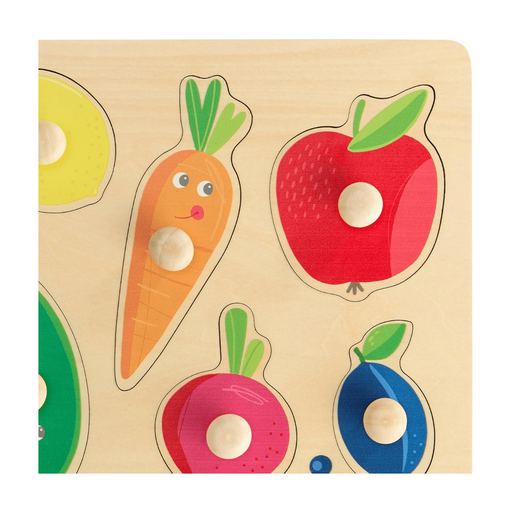
Why this product suits this profile: This wooden peg puzzle is designed for children aged 12 months and over, combining simple shapes with large wooden knobs.
The large knobs make the pieces easier to grip. Check the age recommendation and warnings before buying.
Solid wood, a 30 × 21 cm puzzle board, and pictures featuring colours and fruit.
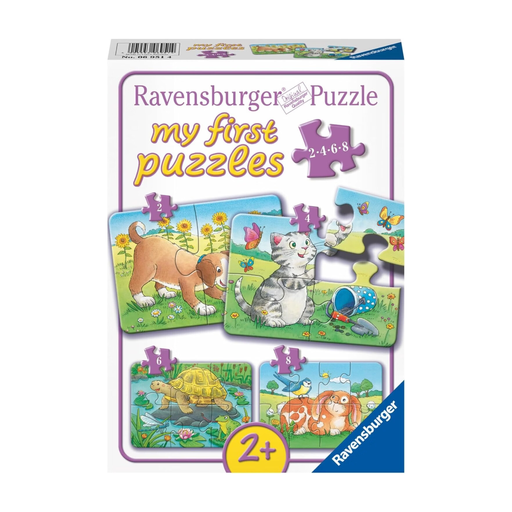
Why this product suits this profile: Designed for children aged 2 and over, this set includes four puzzles that increase in difficulty.
The graduated set means you don’t have to settle for just one difficulty level. The sturdy cardboard pieces are designed for little hands.
Four animal pictures, an age-appropriate number of pieces, and cardboard and paper materials.
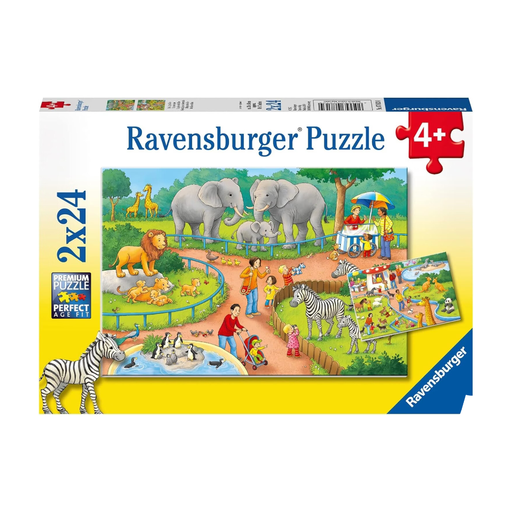
Why this product suits this profile: Two animal pictures, each with 24 pieces, offer variety for children aged 4 and over and plenty of scope for repeated play.
Rather than featuring just one picture, the set includes two puzzles. A mini-poster guide helps children put them together.
Two sturdy cardboard puzzles, animal pictures and age-appropriate piece sizes for children aged 4 and over.
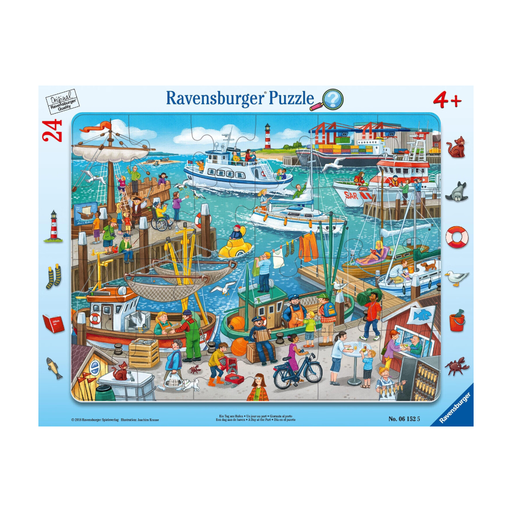
Why this product suits this profile: This frame puzzle for children aged 4 and over combines a seaside picture with a search game.
The 24 pieces and frame provide guidance. The ten picture details turn the completed puzzle into an extra observation activity.
Sturdy cardboard, a 32.5 × 24.5 cm frame and an integrated search activity.
We’ve put together a complete, regularly updated list of products that meet these strict selection criteria and fully comply with the safety regulations in force in the EU.
A puzzle will last longer if you store it somewhere dry and protected. Wipe wooden puzzles with a slightly damp cloth, then dry them. Cardboard puzzles will keep their shape if they’re not exposed to high humidity for long periods.
After each play session, check that all the pieces are there. Don’t continue using pieces that are damaged, splintered or loose. Direct supervision is particularly important for children under three.
For children aged 1 and over, simple peg puzzles with large pieces and easy-to-grip knobs are a good option. A wooden puzzle with a few shapes and clear colours makes matching easier. Always follow the product’s specific age recommendation and safety warnings.
It depends on the child’s experience and the puzzle’s design. For a puzzle for children aged 2 and over, look for large, sturdy pieces and simple pictures. From age 3, a frame puzzle with around 15 pieces may be suitable. Children aged 4 and over can often manage 24 or more pieces, as well as extra search activities.
Its lifespan depends on the material, storage and how it’s used. Extra-thick cardboard and solid wood puzzles can be used repeatedly if they’re handled with care. Regularly check for damage, loose pieces and sharp edges.