Soup Cooks
When you want noodles in a soup, soak them in warm water before cooking and add them to the pot; they absorb the broth’s flavour and keep a pleasantly firm bite, giving your bowl satisfying texture.


Keep Jing Xian Fang Glass Noodles in your pantry for an easy way to add a satisfying texture to everyday meals. Made with 97% wheat starch and 3% pea starch, they turn translucent when prepared and stay pleasantly firm. Soak them in warm water before adding to soups, stir-fries, cold dishes or spring rolls, where they absorb the flavours around them. The 750 g pack suits home cooks looking for a versatile noodle for varied recipes.
When comparing glass noodles, check what they are made from, how they are intended to be cooked and whether the pack size suits your meals. These details can help you choose noodles with the texture and preparation time you need.
Use these three checks to compare glass noodles before buying:
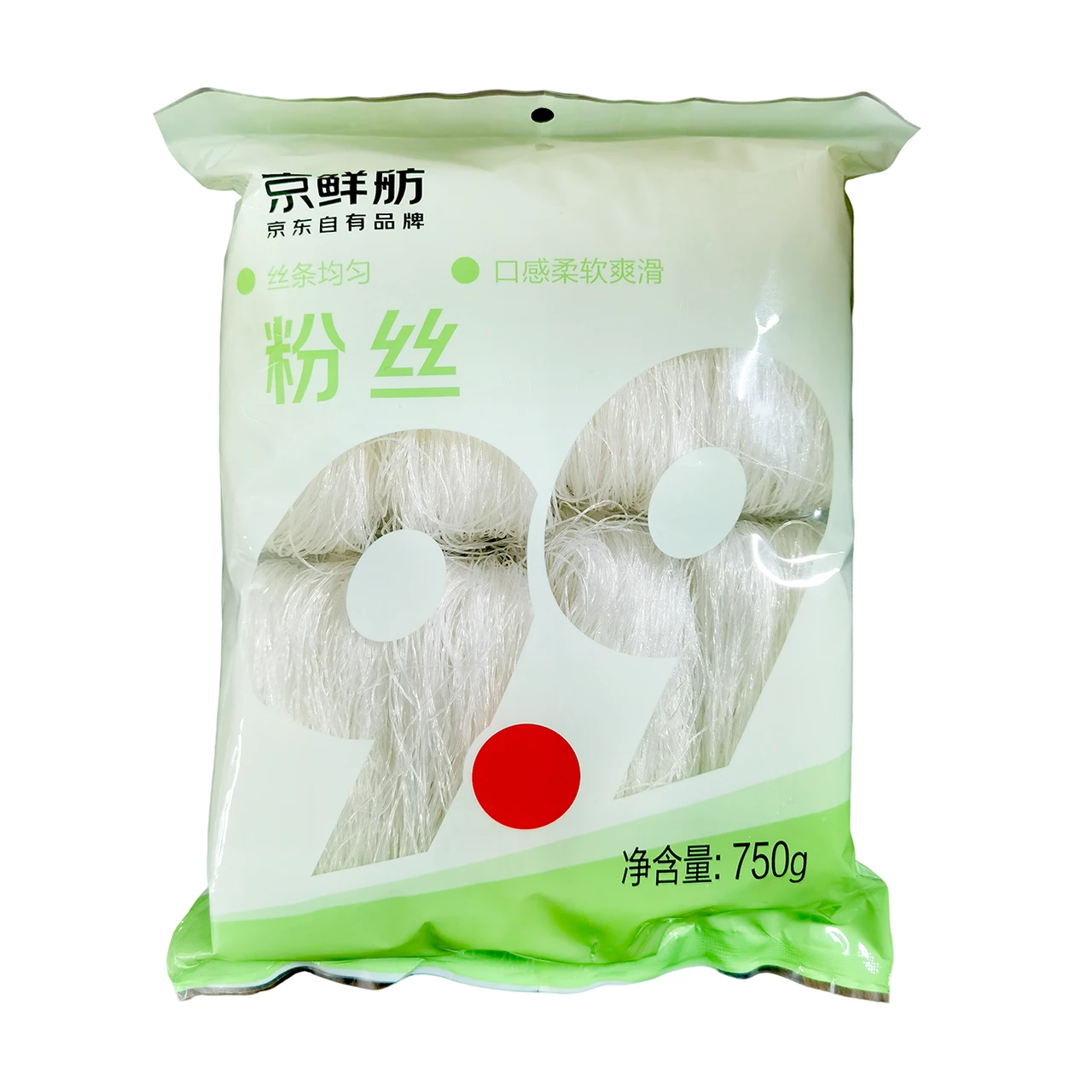
Made with 97% wheat starch and 3% pea starch, Jing Xian Fang Glass Noodles bring a distinctive, satisfying texture to meals. Once prepared, they turn translucent, giving soups, stir-fries and other dishes an appealing finish. Their pleasantly firm bite makes them a versatile choice for a range of recipes, from comforting bowls to fresh, colourful plates. Add them to your cooking when you want noodles that complement the dish while bringing their own recognisable texture.
These glass noodles readily absorb the flavours of the dish, making them a welcome addition to all kinds of cooking. Stir them into soups for a satisfying bowl, toss them through a savoury stir-fry, or serve them in cold dishes for a refreshing option. They also work beautifully in spring rolls, adding their pleasantly firm texture to each bite. With so many ways to serve them, they make it easy to bring variety to everyday meals and explore new recipe ideas.
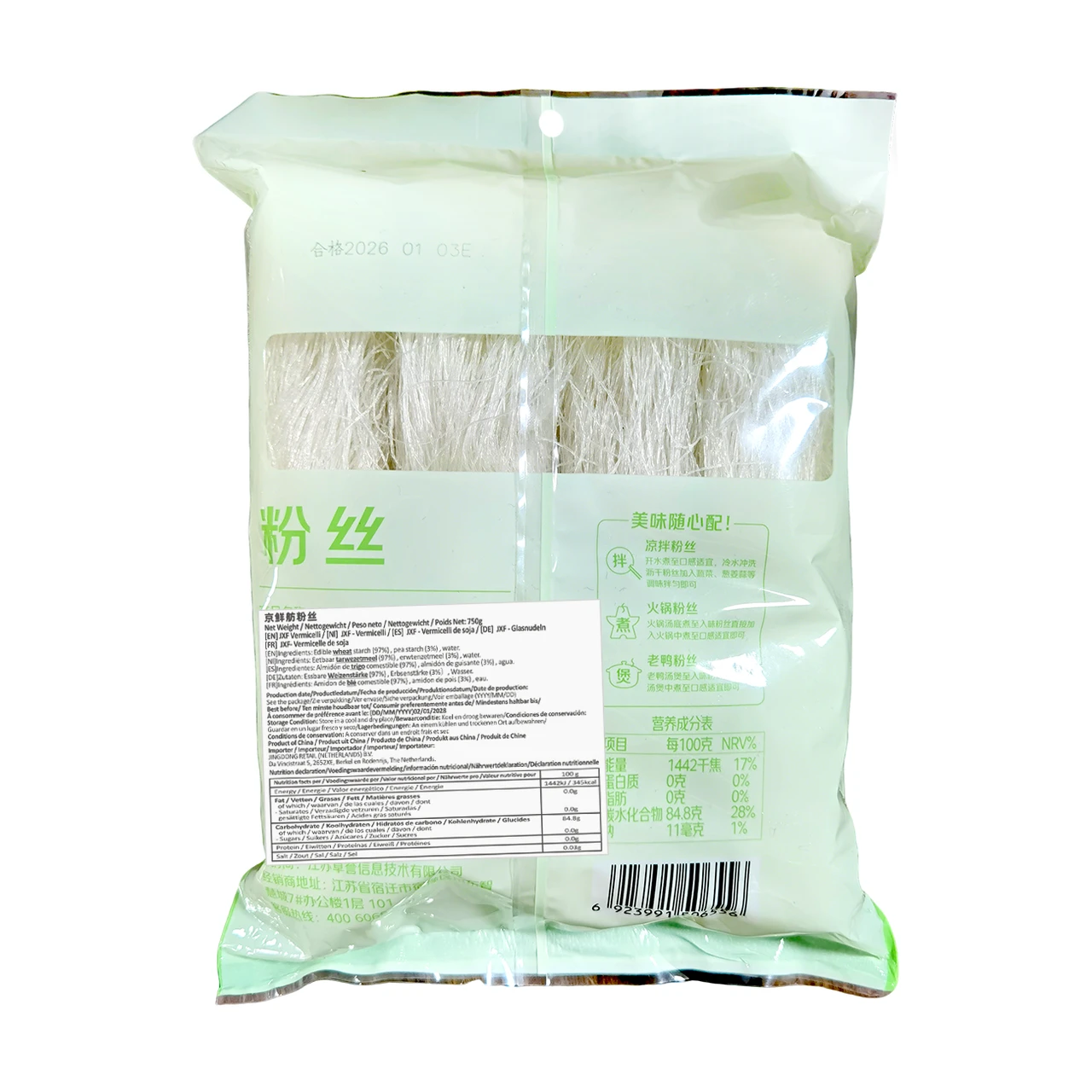
Getting Jing Xian Fang Glass Noodles ready for a meal is straightforward: soak them in warm water before cooking, then add them to the dish you are preparing. Their versatility makes them useful across a range of meal plans, whether you are making soup, stir-fry, a cold dish or spring rolls. The 750 g pack is handy for keeping this flexible pantry staple within reach, ready to inspire flavourful meals whenever glass noodles suit your menu.
When you want noodles in a soup, soak them in warm water before cooking and add them to the pot; they absorb the broth’s flavour and keep a pleasantly firm bite, giving your bowl satisfying texture.
When you’re making a stir-fry and want noodles that take on the sauce, soak them in warm water before cooking, then toss them through the pan; they absorb the dish’s flavours and stay pleasantly firm, adding a distinct noodle texture to your meal.
When you’re putting together a cold noodle dish, soak these in warm water before cooking, then add them to your chosen ingredients; their firm texture and ability to absorb flavours help bring the ingredients together in every bite.
When you’re preparing spring rolls and want noodles in the filling, soak them in warm water before cooking, then add them to the filling; they take on its flavours and bring a pleasantly firm noodle texture to each roll.
No. Jing Xian Fang glass noodles contain wheat: the ingredients are 97% wheat starch, 3% pea starch and water, and the pack declares wheat as an allergen. If you are avoiding wheat, choose a product without wheat ingredients; this 750 g pack is suited to wheat-tolerant diners.
To prepare Jing Xian Fang glass noodles, soak them in warm water until they loosen, then briefly cook them in boiling water or soup. They are ready in a few minutes and turn translucent with a pleasantly firm bite. Add them to a wok, soup, cold dish or spring roll filling.
Jing Xian Fang glass noodles provide 345 kcal per 100 g, with 84.8 g carbohydrate, 0 g fat, 0 g protein and 0.03 g salt. These figures are per 100 g, so use the portion you prepare to work out the nutrition in your meal.
Discover more of your favourite brands on Joybuy and enjoy great offers.