
Lieferung heute & morgen

Qualitätsgarantie

Willkommens-Angebote freischalten: KOSTENLOSE Lieferung | Bis zu 80 % RABATT | Kostenlose 30-Tage-JoyPlus-Testphase
App herunterladen
A new pair of joggers is often more than just an item of clothing—it's a promise of comfort, whether you're at home, out and about, or enjoying a light workout. But the disappointment is huge when your new lounge pants lose their shape, form unsightly pills, or the waistband stretches out after just a few washes. Many purchasing decisions are based on marketing promises that don't hold up in practice. This guide shows you which objective criteria really matter and how to avoid the common pitfalls.
Before we dive into the key features, let's look at the most common reasons for a bad purchase. Knowing these is the first step toward making a better choice.
To avoid these problems, a look at the technical specifications is essential. Three parameters are crucial for the durability and comfort of your next pair of joggers.
The fabric is the heart of any pair of pants. The most common materials are cotton, polyester, and blended fabrics.
The fabric weight, specified in grams per square meter (g/m? or gsm), is an often-overlooked but decisive quality feature. It indicates how dense and heavy the fabric is.
The fit determines not only the style but also the functionality.
Here are some recommendations tailored to different user profiles that meet the quality criteria mentioned above.
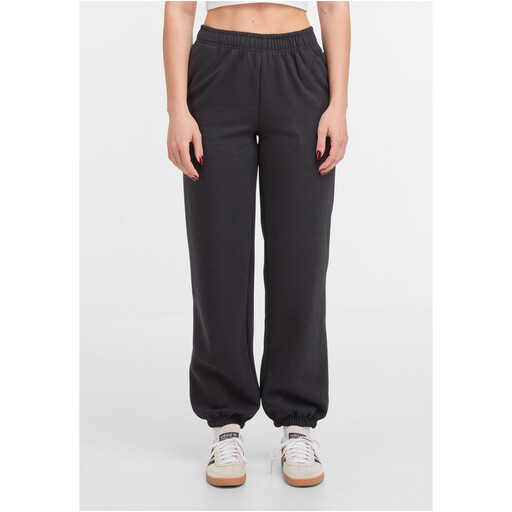
Why This Fits Their Persona: Ideal for anyone looking for reliable and comfortable women's joggers for daily use—from relaxing on the couch to a quick run to the store. The classic cut is uncomplicated and easy to style.
The proven blend of 70% cotton and 30% polyester offers a good balance of softness and shape retention, which counteracts the pilling and loss-of-shape traps.
Elastic waistband for a secure fit and practical side pockets. The tapered cut ensures a clean silhouette.
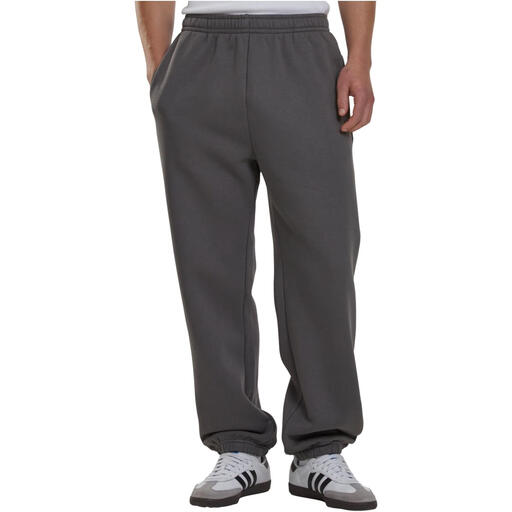
Why This Fits Their Persona: For men who want men's joggers with substance and a premium feel. Perfect for a casual yet stylish streetwear look on cooler days.
The heavy fabric weight of 330 g/m? and the warp-knitted material are indicators of a robust and durable construction that resists pilling and loss of shape.
The exceptionally soft, fluffy interior (reverse fleece) provides outstanding comfort and warmth.

Why This Fits Their Persona: These training pants are designed for athletic activities like tennis or gym workouts. The focus is on freedom of movement, low weight, and breathability, not maximum cosiness.
The 100% polyester material is specifically designed for athletic stress. It is shape-retentive, easy to care for, and dries quickly, avoiding the typical problems of casual sweatpants.
Lightweight, breathable performance fabric and a tapered cut that ensures full freedom of movement without any restrictive fabric.
We've compiled a complete, up-to-date list of products that meet these strict selection criteria and quality standards.
Proper care is crucial for longevity. Always follow the care label. As a general rule: wash the pants at low temperatures (30°C / 86°F) and inside out to protect the outer surface. Avoid the dryer or use only a low heat setting, as high temperatures can damage the fibres and cause shrinking.
The abbreviation g/m? stands for "grams per square meter" and describes the density of the fabric. A higher number means a heavier, denser, and often warmer fabric. Lightweight summer pants often have a weight below 250 g/m?, while high-quality, winter-ready models can be 320 g/m? or more.
Not necessarily. While 100% cotton is very breathable and soft, a polyester content (typically 20–40%) can make the pants significantly more durable. The synthetic fibres help retain shape, reduce the tendency to wrinkle and pill, and allow the fabric to dry faster. For durable, everyday joggers, a blended fabric is often the more practical solution.