
Lieferung heute & morgen

Qualitätsgarantie

Willkommens-Angebote freischalten: KOSTENLOSE Lieferung | Bis zu 80 % RABATT | Kostenlose 30-Tage-JoyPlus-Testphase
App herunterladen
The idea of a glass of fresh-pressed juice in the morning is tempting. But the reality is often different: a complicated appliance that ends up gathering dust in a cupboard after just a few uses because cleaning it is too much of a hassle. The juicer market is saturated with marketing promises that often obscure more than they clarify. Before you make a decision you'll later regret, you should know the most common pitfalls.
Two of the most widespread misconceptions are the belief that high wattage automatically means better juice quality, and the often-empty promise of "easy cleaning." While high motor power is relevant for the speed of a centrifugal juicer, it says little about nutrient preservation. An appliance advertised as "easy to clean" can quickly turn into a daily nightmare with its many small, non-dishwasher-safe parts.
This guide will help you navigate these marketing traps and understand the technical specifications that truly matter for your needs.
Choosing the right appliance depends less on advertising slogans and more on two fundamental technical parameters: the juicing technology and the actual cleaning effort.
The method used to extract juice from fruits and vegetables is the deciding factor for juice quality, yield, and preparation time.
A juicer that is easy to clean is one you'll actually use in your daily routine. Look for these objective criteria:
Instead of making a one-size-fits-all recommendation, we have selected models that are tailored to specific usage habits and requirements.
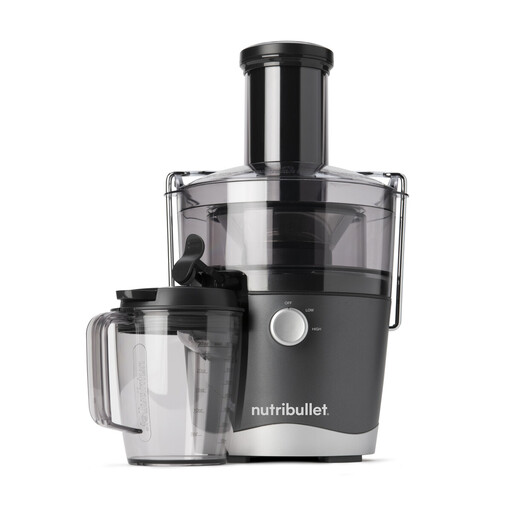
Why This Fits Their Persona: Ideal for professionals and families who need a quick morning routine. The 800-watt motor processes hard vegetables quickly, and the large feed chute minimises prep work.
Avoids the "cleaning trap" with a detachable, dishwasher-safe pulp container and a drip-free spout. The design is optimised for daily efficiency.
Large 7.6 cm feed chute for whole fruits. Two speed settings for hard and soft ingredients.
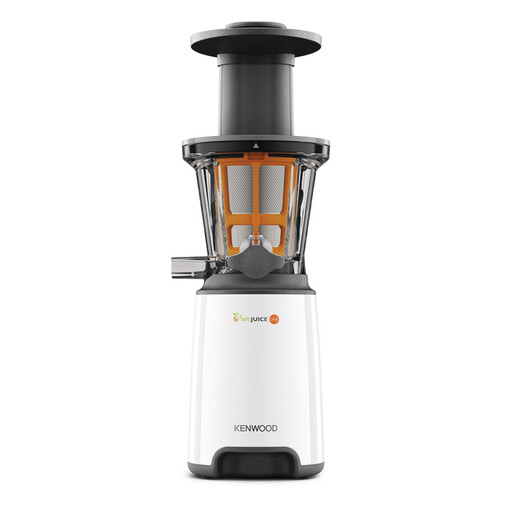
Why This Fits Their Persona: Perfect for the health-conscious who prioritise nutrient-preserving processing. This slow juicer presses juice slowly and coldly, which is ideal for leafy greens and delicate fruits.
Debunks the "wattage myth": with only 140 watts, it achieves a high juice yield through its slow-press technology. A rinsing function simplifies pre-cleaning immediately after use.
Auger press technology with 55 RPM for gentle juicing. Includes a cleaning brush and anti-drip function.
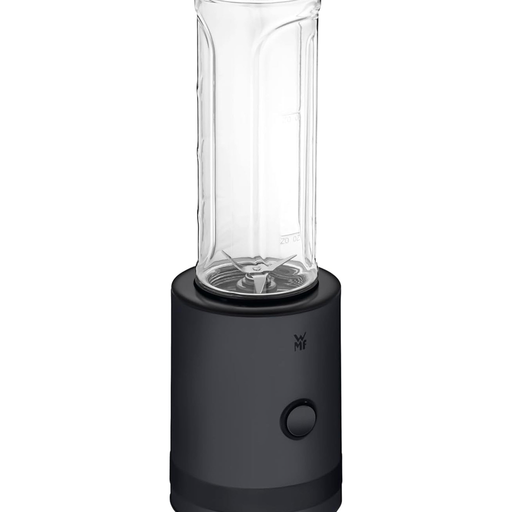
Why This Fits Their Persona: For anyone who prefers creamy smoothies to clear juices and needs a quick solution for the gym or office. This appliance is a smoothie maker, not a juicer, and processes the whole fruit.
Solves the "wrong appliance type" problem. If you want to retain fibre, a blender is a better choice. The two blending/drinking containers are dishwasher-safe and leak-proof.
Compact design, two to-go containers made of Tritan plastic. The 4-blade stainless steel knife also crushes ice.
We've compiled a complete, up-to-date list of products that fully meet these strict selection criteria.
1. What is the difference between a juicer and a smoothie maker? A juicer (like a centrifugal juicer or slow juicer) separates the liquid juice from the solid components (fibre/pulp). The result is a clear, thin juice. A smoothie maker or blender, on the other hand, pulverises and mixes all the ingredients, including the dietary fibre. The result is a thick smoothie that contains the whole fruit.
2. How long does fresh-pressed juice last? The shelf life depends on the juicing method. Juice from a centrifugal juicer should ideally be consumed immediately due to higher oxidation. Juice from a cold press juicer is more stable and can be stored in an airtight container in the refrigerator for up to 48 hours, although some nutrient loss over time is inevitable.
3. Do I need to peel fruits and vegetables before juicing? This depends on the produce and the appliance. As a rule, all produce should be washed thoroughly. The peels of organic fruits and vegetables like apples, carrots, or cucumbers can often be processed. Citrus fruits, mangoes, kiwis, or pineapples should be peeled, as their skin tastes bitter or is unsuitable for the machines. Also, always remove hard pits and stones (e.g., from cherries, peaches, avocados).