
Lieferung heute & morgen

Qualitätsgarantie

Willkommens-Angebote freischalten: KOSTENLOSE Lieferung | Bis zu 80 % RABATT | Kostenlose 30-Tage-JoyPlus-Testphase
App herunterladen
A glass of fresh-pressed juice is an easy way to start your day with a boost of vitamins. But the path to get there can be complicated. The juicer market is saturated with appliances that promise the world but often disappoint in daily use. Before you make a decision, you should know the three most common pitfalls that can lead to frustration and unnecessary expense.
To avoid these pitfalls, it helps to focus on the technical fundamentals that determine an appliance's performance and user-friendliness.
Choosing the right type is the most fundamental decision and depends on your priorities: speed or nutrient preservation.
Centrifugal Juicers: These appliances operate at a very high speed. They shred fruits and vegetables with a cutting disc and spin the juice out through a fine sieve.
Slow Juicers (Cold Press Juicers): A Slow Juicer, also called a Cold Press Juicer, operates at a low speed (typically 40-80 RPM). An auger slowly crushes the ingredients and presses the juice through a sieve.
A juicer that is easy to clean is one that will be used more often. Look for models with few, easily disassembled parts. Dishwasher-safe components are a major plus. Innovative, filterless designs or special pre-cleaning functions can significantly reduce the effort and are a clear sign of thoughtful product design.
A large feed chute (e.g., 75 mm or more) saves you the tedious task of chopping fruits and vegetables. Whole apples or carrots can be processed directly, which drastically reduces prep time. The capacity of the juice jug and pulp container is also relevant: for families, models with at least a 1-litre juice capacity are suitable, while smaller appliances are sufficient for individuals.
Here are a few recommendations tailored to specific user profiles that successfully avoid the pitfalls mentioned.
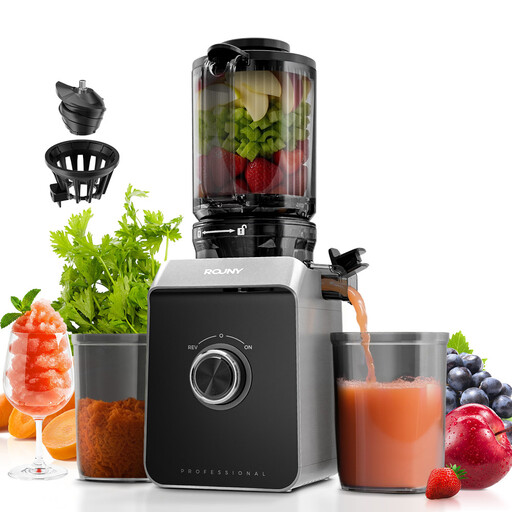
Why It's a Match: Perfect for professionals and parents who need a quick morning routine. The extra-large feed chute minimises prep time by allowing whole fruits to be processed.
The filterless design directly addresses the "cleaning nightmare." The parts can be quickly rinsed under running water, encouraging daily use.
Maximum time savings thanks to the large feed chute and straightforward cleaning. As a bonus, the appliance can also process frozen fruit to make sorbet.
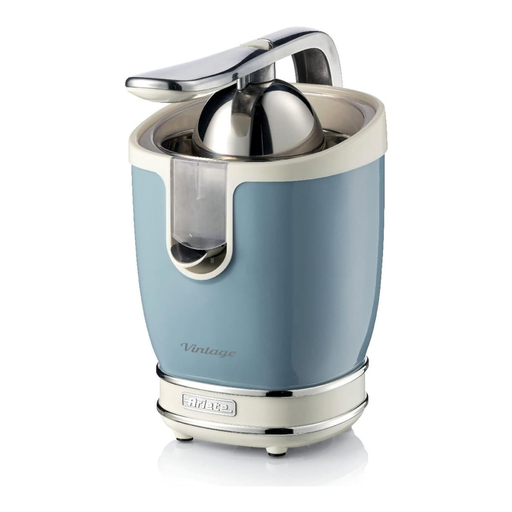
Why It's a Match: For lovers of fresh orange or lemon juice who also value kitchen aesthetics. The retro design is a statement piece, and the lever operation makes pressing effortless.
As a specialised citrus press, it isn't over-engineered with complex, all-in-one features. Its simple mechanism is inherently easy to clean, thus avoiding the typical cleaning frustration.
Combines a functional, effort-saving lever mechanism with a decorative design. Two press cones are included to accommodate both large and small citrus fruits.
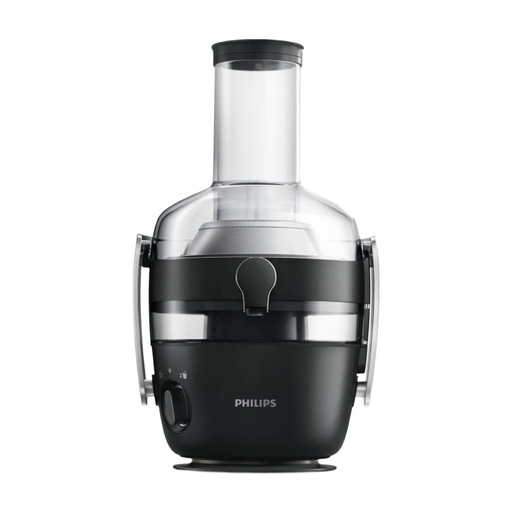
Why It's a Match: This centrifugal juicer is built for performance and volume. With a powerful motor and large containers, it's ideal for families who regularly prepare larger quantities of juice.
Philips' QuickClean technology and polished sieve make cleaning easier. The powerful 1000W motor ensures a high juice yield and prevents wet pulp.
High power for fast results, large capacity, and FiberBoost technology, which lets you control the amount of pulp in your juice at the touch of a button.
We have compiled a comprehensive, up-to-date list of products that fully meet these strict selection criteria and all relevant safety standards.
The main difference lies in the technology and speed. A centrifugal juicer shreds ingredients at high speed (over 10,000 RPM) and is very fast. A Slow Juicer (or Cold Press Juicer) slowly crushes ingredients (around 40-80 RPM). This method is gentler, quieter, and often results in a slightly higher juice yield, but it takes longer.
The key is to clean the appliance immediately after use, before fruit residue dries on. Rinse all removable parts under running water. Use the included brush to clean the sieve. When buying, check if the parts are dishwasher-safe, which further minimises the effort. Models with a pre-clean function or a filterless design have a clear advantage here.
Most modern electric juicers are designed for this. However, efficiency can vary. Slow juicers are often very well-suited for hard vegetables due to their powerful auger. For centrifugal juicers, a high-performance motor (e.g., over 700 watts) is beneficial for achieving a good juice yield and not overloading the motor. It is always advisable to check the manufacturer's specifications regarding suitability for specific types of fruits and vegetables.