
Lieferung heute & morgen

Qualitätsgarantie

Willkommens-Angebote freischalten: KOSTENLOSE Lieferung | Bis zu 80 % RABATT | Kostenlose 30-Tage-JoyPlus-Testphase
App herunterladen
The idea of a glass of freshly squeezed juice in the morning is appealing. But the path to getting there can be paved with disappointment if the appliance you choose doesn't live up to expectations. As a Joybuy Product Recommendation Officer, I see the common pitfalls of choosing a juicer every day. Before you make a decision, you should know the typical marketing promises and hidden drawbacks that often lead to buyer's remorse.
Many appliances promise a lot but deliver little in daily use. Pay close attention to these three points to make an informed decision:
To find the right juicer, it helps to understand the basic technical features and their practical implications.
Choosing the right type is the most important decision and depends entirely on your usage habits.
A truly low-maintenance device can be identified by objective criteria. Look for the following features:
Two other factors determine how convenient the device is for daily use:
Based on these objective criteria, we have selected a few models for different user profiles.
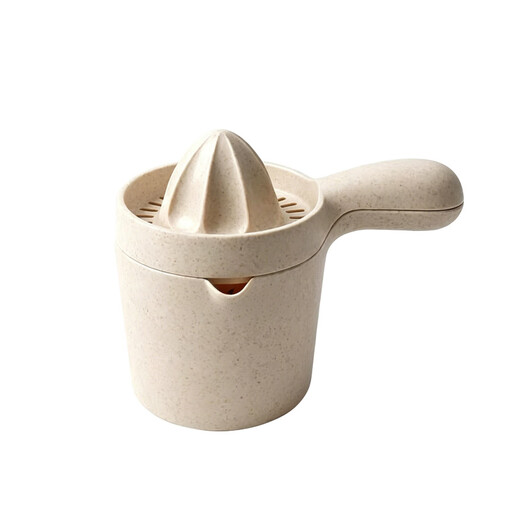
Why it's a good fit: Ideal for those who want to occasionally make a glass of fresh orange or lemon juice without the hassle and expense of an electric appliance. Perfect for small kitchens and a straightforward start.
This manual device has no complex mechanics or a hard-to-clean filter. It consists of a few, easily rinsable parts and genuinely delivers on the promise of simple cleaning.
No power supply needed, compact, and easy to store. The integrated 500ml container catches the juice directly.
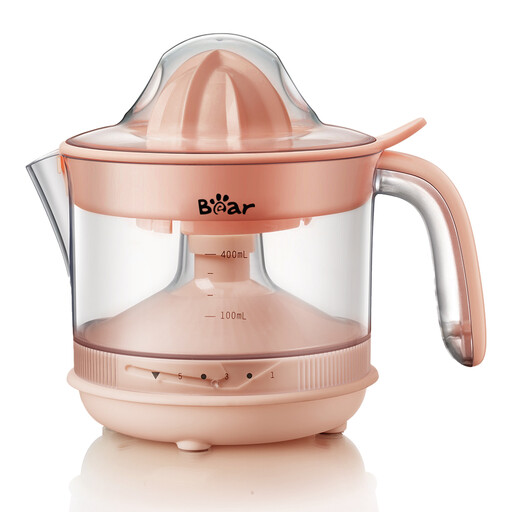
Why it's a good fit: Designed for quick and safe use in families. The electric press takes the effort out of juicing, and the bladeless design ensures safety, even with children around.
This appliance is specialised and doesn't promise universal suitability. It is a dedicated citrus press. The detachable parts and simple design make cleaning straightforward.
Features 5 adjustable levels to control the amount of pulp and is made from BPA-free material, according to the manufacturer.
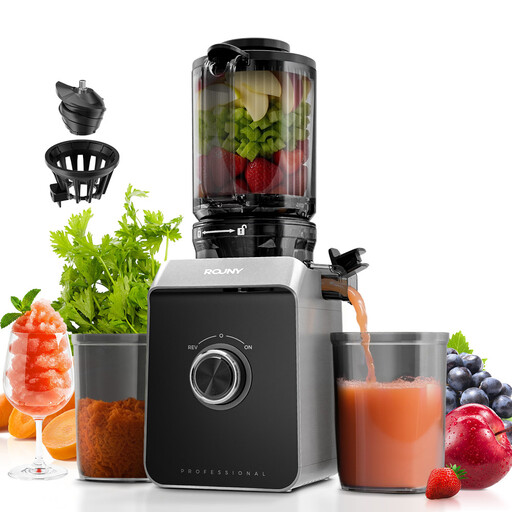
Why it's a good fit: As a cold press juicer, this appliance is designed for users who want to gently process a wide variety of ingredients—from hard carrots to leafy spinach—and achieve a high nutrient and juice yield.
The filter-free design directly addresses the main criticism of tedious cleaning in slow juicers. The large 130mm feed chute minimises prep time, making the appliance more practical for daily use.
The slow-press technology (50 RPM) minimises heat build-up. Additionally, according to the manufacturer, the device can be used to make sorbet from frozen fruits.
We have compiled a complete, up-to-date list of products that fully meet these strict selection criteria and rigorous safety standards.
For leafy greens, herbs, and wheatgrass, a slow juicer (cold press juicer) is the ideal choice. The slow, crushing motion of the auger efficiently extracts liquid from tough plant fibres, resulting in a significantly higher juice yield than with centrifugal juicers.
The effort varies greatly by model. A quick clean-up is facilitated by the following features: few, removable parts, dishwasher-safe components, and, most importantly, an easy-to-clean sieve. Some modern slow juicers offer filter-free designs that only need to be rinsed under running water, significantly reducing cleaning time.
Slow juicers operate at low speeds, which means less heat and oxygen are incorporated into the juice compared to high-speed centrifugal juicers. This gentle process is designed to slow down oxidation. Many users prefer this method with the belief that heat-sensitive vitamins and enzymes are better preserved.