
Lieferung heute & morgen

Qualitätsgarantie

Willkommens-Angebote freischalten: KOSTENLOSE Lieferung | Bis zu 80 % RABATT | Kostenlose 30-Tage-JoyPlus-Testphase
App herunterladen
Freshly squeezed juices are an easy way to incorporate more fruits and vegetables into your daily routine. However, the selection of appliances on the market can be overwhelming. From the operating principle and ease of cleaning to the size of the feed chute, many factors influence the purchasing decision.
This article serves as a helpful guide. We will introduce the key differences between common juicer types and explain which features are crucial for convenient everyday use. We will also present a selection of models that cater to different needs.
To find the right appliance for your needs, it's helpful to understand a few basic features and their practical implications.
The most important distinguishing feature is how an appliance extracts juice.
Besides juice yield, practical aspects are crucial for regular use.
Here is a selection of three models that stand out for their different features and cover various use cases.

Why This Model Stands Out This centrifugal juicer from WOOX is designed for speed and efficiency. With its 600-watt motor and wide feed chute, it processes fruits and vegetables quickly, making it a practical tool for a fast morning juice.
Advantages
Who is it for? This model is a great choice for individuals and families looking for a straightforward and fast juicer for fruits and vegetables, who primarily want to process hard produce like apples, carrots, and ginger.
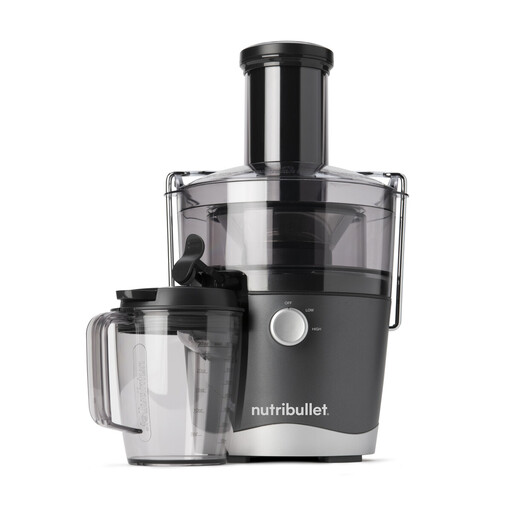
Why This Model Stands Out The nutribullet NBJ100G combines a powerful motor with practical features for daily use. With two speed settings, it adapts to different ingredients, and the included juice pitcher allows for direct storage.
Advantages
Who is it for? Users looking for a powerful centrifugal juicer with variable settings and thoughtful accessories for easy handling and juice storage.
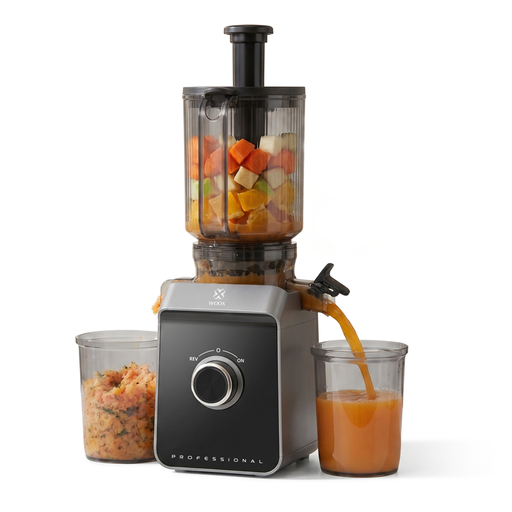
Why This Model Stands Out As a slow juicer, the WOOX MX0289 uses the cold press method. Its standout feature is the exceptionally large 130 mm diameter feed chute, which reduces preparation to a minimum. The appliance also operates quietly.
Advantages
Who is it for? This model is aimed at health-conscious users who want to maximize nutrient retention, juice leafy greens, and value quiet operation and minimal prep work.
If you haven't found the right appliance for your kitchen in this selection, or if you are interested in other kitchen gadgets, you can find a wider range of more kitchen appliances for vegetable processing here.
A centrifugal juicer shreds fruits and vegetables at high speed and spins the juice out. It is fast and works well for hard produce. A slow juicer (or cold press juicer) slowly crushes ingredients with an auger. This method is gentler, quieter, and often more efficient with leafy greens, but it takes longer.
For easy cleaning, it's best to clean the appliance immediately after use before the fruit residue dries on. Rinse all removable parts under running water. Use the often-included brush to thoroughly clean fibers from the sieve. Check the user manual to see which parts are dishwasher-safe to further reduce the effort.
No, there are limitations. Centrifugal juicers are ideal for hard produce like carrots and apples but often struggle with leafy greens like spinach or kale. Slow juicers have an advantage here. Certain ingredients like bananas, avocados, or very fibrous plants like sugarcane are unsuitable for most household juicers as they can clog or damage the machine. Always follow the manufacturer's instructions.