
Lieferung heute & morgen

Qualitätsgarantie

Willkommens-Angebote freischalten: KOSTENLOSE Lieferung | Bis zu 80 % RABATT | Kostenlose 30-Tage-JoyPlus-Testphase
App herunterladen
Deciding to integrate more fresh juice into your daily routine is a positive step towards a more conscious diet. However, the market for juicers, presses, and blenders is overwhelming and filled with marketing promises that often create more confusion than clarity. Many appliances advertised as all-in-one wonders turn out to be impractical or deliver unsatisfactory results.
As your Joybuy Product Recommendation Officer, I'm here to help you identify the common pitfalls and make an informed decision. Instead of falling for marketing hype, we'll focus on the technical features that truly matter.
The 3 Most Common Traps When Buying a Juicer:
To find the right appliance for your needs, you should focus on three core aspects. These will help you objectively evaluate a model's performance and user-friendliness.
The way juice is extracted from fruits and vegetables is the most important difference between these types of appliances.
Practical, everyday usability depends heavily on the design. A wide feed chute (e.g., 80 mm or more) significantly reduces prep time, as whole apples or oranges can be processed without being cut up first.
Furthermore, ensure that all parts that come into contact with food are made from BPA-free plastic or stainless steel. This is an important standard for food safety.
A user-friendly appliance is distinguished by its ease of cleaning. Models with few, easily removable parts have a clear advantage. Some modern slow juicers even do away with traditional, hard-to-clean metal strainers, opting for innovative, filter-free systems that can be simply rinsed under running water. Also, check if individual components are dishwasher-safe.
Here are some recommendations tailored to specific user profiles that purposefully avoid the pitfalls mentioned above.
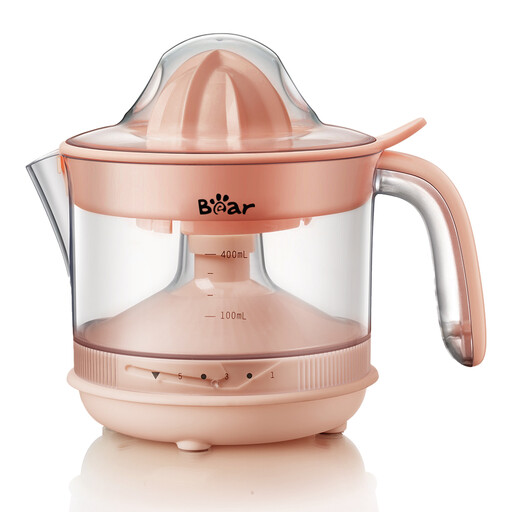
Why This Fits Their Persona: Ideal for anyone who wants to enjoy fresh orange or lemon juice every day without any fuss. This electric citrus press is specialised for a single task and performs it efficiently, without the complexity of a large multifunctional appliance.
This device bypasses the "all-in-one" trap by positioning itself as a specialised electric citrus press. Cleaning is straightforward thanks to its simple, bladeless design and detachable parts.
Five adjustable levels to control pulp content; bladeless design for enhanced safety; BPA-free materials.
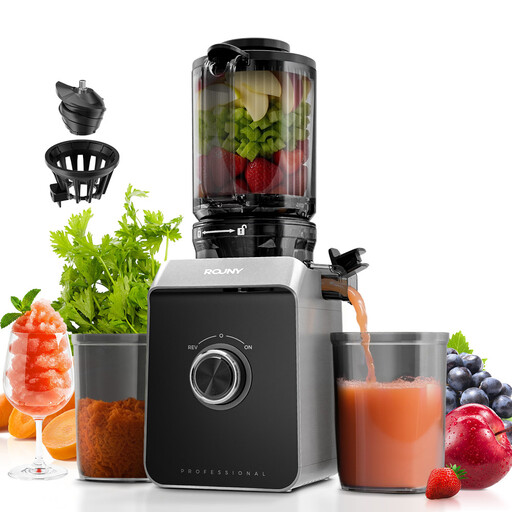
Why This Fits Their Persona: Perfect for health-conscious users who prioritise maximum nutrient retention and want to process a wide range of ingredients, including leafy greens. The cold press technology of this slow juicer is ideally suited for this purpose.
This model solves two key problems: the 130 mm wide feed chute minimises prep time, and the filter-free design puts an end to the tedious cleaning of fine strainers. It's a prime example of a thoughtful, user-friendly design.
High juice yield through gentle pressing; can also make sorbet from frozen fruits; reverse function to prevent clogging.

Why This Fits Their Persona: For families looking for a versatile appliance for smoothies, baby food, sauces, or grinding spices. This blender processes whole fruits and vegetables, thus retaining all the fiber.
This appliance is clearly positioned as a blender for fruits and vegetables, not a juicer. It avoids the trap of being a poor juicer by focusing on its core competency: blending and puréeing whole ingredients.
Multifunctional use (blending, chopping, grinding); 600-watt motor for efficient processing; easy cleaning with detachable parts.
We have compiled a complete, up-to-date list of products that fully meet these strict selection criteria and German safety regulations.
Ideally, cleaning should be done immediately after use, before fruit residue dries. Rinse all removable parts under running water. Use the included brush (if provided) to thoroughly clean the strainer. Check which parts are dishwasher-safe to further reduce the effort. The motor block should never be submerged in water; wipe it with a damp cloth if necessary.
For leafy greens like spinach, kale, or wheatgrass, a cold press juicer (slow juicer) is by far the better choice. Its slow, pressing action effectively breaks down the cellular structure of the leaves, resulting in a much higher juice yield than a centrifugal juicer, which often just spins the light leaves around.
The fundamental difference lies in how they process the ingredients. A juicer separates the liquid juice from the solid components (the pulp), which includes most of the fiber. The result is a thin, clear juice. A blender or smoothie maker, on the other hand, shreds and purées the entire ingredients. The result is a thick smoothie that contains all the fiber, pulp, and skin (if not removed). Both appliances have their place and serve different dietary goals.