
Lieferung heute & morgen

Qualitätsgarantie

Willkommens-Angebote freischalten: KOSTENLOSE Lieferung | Bis zu 80 % RABATT | Kostenlose 30-Tage-JoyPlus-Testphase
App herunterladen
A juicer can make fresh juice from oranges, apples, carrots or leafy greens. The choice ranges from an electric citrus juicer and slow juicer to compact, portable devices. Motor power is not the only deciding factor. The design, feed chute, cleaning process and permitted ingredients determine whether a device genuinely suits your everyday routine.
A high power rating may sound convincing at first. However, it does not automatically indicate how much juice can be extracted from a particular food. A centrifugal juicer works differently from a slow juicer. There may be significant differences when processing soft fruit, fibrous vegetables or citrus fruit.
So check which ingredients the juicer is designed for. Information about pulp, stones, fibres and maximum operating time is more important when choosing a juicer than an isolated wattage figure.
A juicer with a large feed chute can reduce the need to pre-cut ingredients. That does not mean that every fruit and vegetable can be inserted whole or uncut. Hard stones, very tough fibres and sticky pulp can block the filter or pressing mechanism.
Even with a model featuring a 135-mm feed chute, you should still follow the instructions. With citrus juicers, the fruit is generally halved and placed on the pressing cone.
A juicer that is easy to clean should have removable juice and pulp components, easily accessible filters and clear cleaning instructions. With many devices, the motor housing must not come into contact with water. A dishwasher-safe component should not be confused with the entire appliance being dishwasher-safe.
A design with only a few individual parts is practical. A cleaning brush, a quick-release filter and cleaning the appliance immediately after use—before fruit fibres dry on—are also important.
For individuals, a juice container holding around 300 to 500 ml may be sufficient. Families benefit from a larger container, but must also consider the available space on the worktop. A 1.8-litre model is suitable for several portions, while a 1-litre appliance takes up less room.
When considering the feed chute, think about how you will actually use it. A large opening is convenient if you regularly process apples, cucumbers or carrots. With citrus juicers, the size of the pressing cone and juice collection bowl is more relevant.
Maximum operating time is a frequently overlooked specification. According to the product information, the Bear YZJ-F01D6 is designed for use of up to 15 minutes per session. A break may be necessary to prevent the motor from overheating.
A BPA-free juicer may be important to buyers who pay attention to the material used for parts that come into contact with juice. The specific designation should be stated directly in the product information. BPA-free material is expressly specified for the Bear CZJ-A04B1.
You should also check the following points:
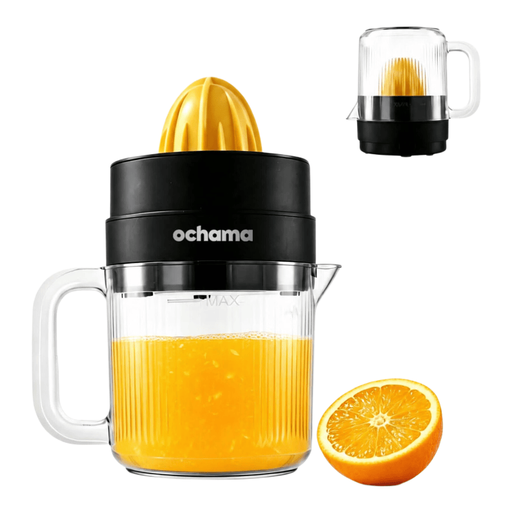
Why this product suits this profile: This electric citrus juicer is designed for oranges, lemons, mandarins and similar fruit. With a capacity of 1.4 litres, it is suitable for making several glasses of juice at home.
Its intended use is clearly limited to citrus fruit. The removable accessories make cleaning easier; the motor housing must not be washed.
30-W motor, 1.4-litre capacity and blade-free pressing design according to the product description.
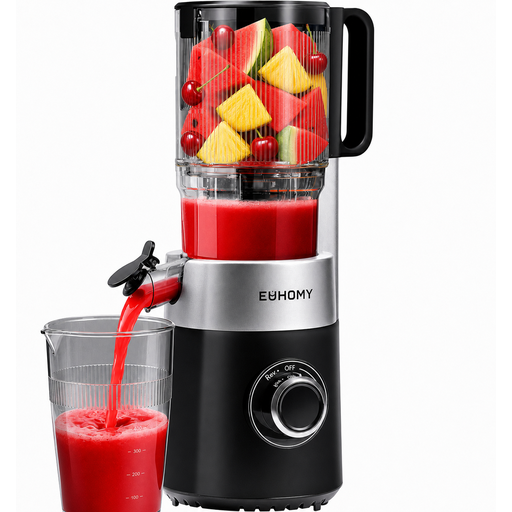
Why this product suits this profile: This slow juicer combines a 135-mm feed chute with a 1.8-litre container, making it suitable for households that regularly prepare fruit and vegetable juices.
The manufacturer states that it has triple filtration and can be cleaned in three assembly steps. Even so, ingredients should be prepared according to the instructions.
220-W motor, 60 dB according to the product information, plus two glasses supplied.
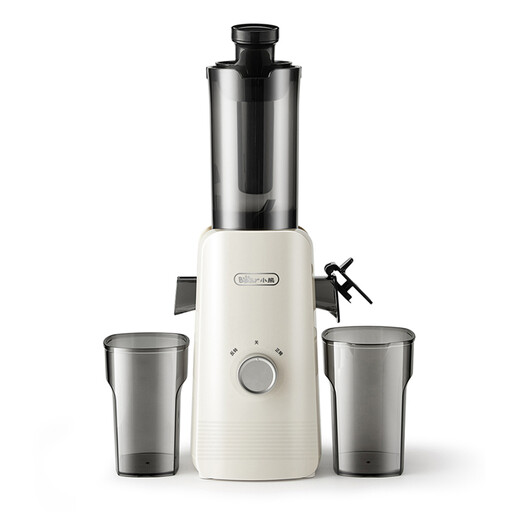
Why this product suits this profile: This compact pressing appliance is designed for mixed fruit and vegetable preparations and, according to the product information, requires just three main components for assembly and cleaning.
The 80-mm opening reduces preparation time. The stated maximum usage time of 15 minutes per session prevents it from being mistakenly viewed as suitable for continuous operation.
130 W power, 1-litre capacity stated in the product name, and separate juice and pulp containers.
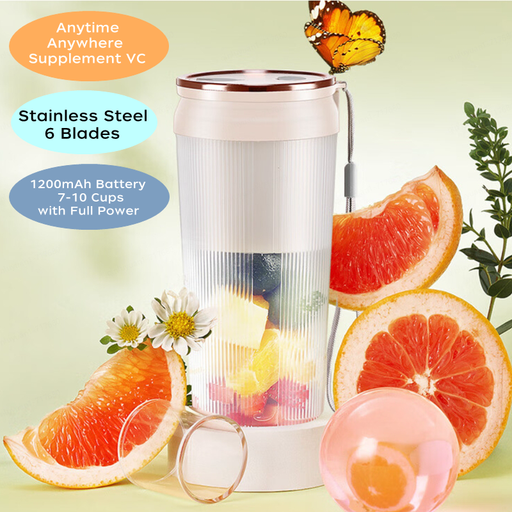
Why this product suits this profile: This portable juicer, with a 300-ml cup and 1200-mAh battery, is designed for small portions on the go.
The small capacity makes its intended use clear. It is designed for soft ingredients cut into pieces measuring 1 to 1.5 cm, plus liquid filled up to the marked level.
Battery operation, 300-ml cup and washable cup according to the product description.
We have put together a complete, regularly updated list of products that fully meet these strict selection criteria and the safety regulations applicable in the EU.
For versatile preparation, a slow juicer or an electric juicer with separate juice and pulp outlets may be suitable. An electric orange press, on the other hand, is designed specifically for citrus fruit. Before buying, check whether hard ingredients, fibrous vegetables and particular stones are permitted.
Its lifespan depends on how frequently it is used, cleaning, choosing the right ingredients and the specified operating time. Do not run the appliance for longer than stated, avoid hard objects, and clean the filter and pressing mechanism immediately after use. With a battery-powered appliance, you should also follow the charging and storage instructions.
Running costs depend on the power consumption and the actual operating time. A 30-W appliance uses less energy mathematically when run for ten minutes than a 600-W model operating for the same length of time. Total costs also include replacement parts, cleaning requirements and the type of ingredients used.