
Lieferung heute & morgen

Qualitätsgarantie

Willkommens-Angebote freischalten: KOSTENLOSE Lieferung | Bis zu 80 % RABATT | Kostenlose 30-Tage-JoyPlus-Testphase
App herunterladen
A juicer can make preparing fresh juices at home much easier. However, citrus presses, electric juice presses, slow juicers and centrifugal juicers differ considerably in terms of intended use, cleaning and capacity. If you focus only on wattage or advertising claims, you can easily end up buying an appliance that does not suit your everyday routine.
Motor power initially describes only the electrical output. Juice yield also depends on the pressing system, filter, auger, speed and the type of fruit being used. A 1,000-watt appliance may be suitable for hard ingredients, but could be unnecessarily powerful for the occasional orange.
Not every juicer can process bananas, avocados, sugar cane or high-fibre ingredients. Thick pulp can clog filters, while tough fibres may put strain on the components. Before buying, you should therefore check the list of suitable ingredients in the product description.
A small filter or narrow feed chute increases preparation time. Similarly, an appliance with many individual parts can take a long time to clean after every use. If you want to prepare juice regularly, look for removable components, an easily accessible filter unit and parts that are preferably dishwasher-safe.
A citrus press is designed for oranges, lemons, limes and similar fruit. It often works without cutting blades and separates pips and pulp to varying degrees, depending on its design. An orange and lemon juicer is a sensible choice if citrus juice is your main priority.
Depending on the model, a centrifugal juicer can process many types of hard and soft fruit and vegetables. The rotating grater and filter enable quick preparation, but may mean there are more individual parts to clean. A slow juicer uses a slowly rotating pressing auger. The lower speed is a technical design feature, not conclusive proof of any particular health benefit.
A large feed chute reduces the need for chopping. On the Philips HR1919/70, the specified feed-chute diameter is 8 cm. According to the product details, the Bear YZJ-F01D6 has an 80-mm opening. Capacity is also important for families: the Philips has a 1-litre juice container and a 2.1-litre pulp container, while compact appliances are designed for individual portions.
A large opening does not automatically make an appliance suitable for every ingredient. Peels, pips and very hard pieces must still be prepared or removed as instructed in the user manual.
A juicer with pulp separation collects pulp and juice in separate containers. This can make serving easier and help organise the cleaning process. Claims such as BPA-free juicer should be stated directly in the manufacturer’s information or product specifications. BPA-free material is specified for the Bear CZJ-A04B1 and the WOOX Juicer Machine.
For electrical appliances in Germany, mains voltage, earthing, cable condition and intended use are also important. The product specifications should be compatible with the German power supply, for example 220–240 V at 50–60 Hz. The motor housing of the appliances mentioned must not be immersed in water. Unplug the appliance before dismantling, moving or cleaning it.
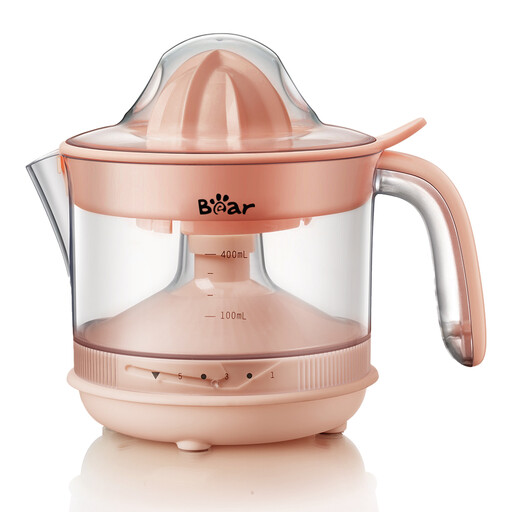
Why this product suits the profile: This electric juice press is designed for oranges and lemons and, with a 400 ml capacity, does not take up much space.
According to the product details, this citrus press has five adjustable settings, a 110-mm feed chute and removable parts. This keeps preparation and cleaning manageable.
30 W of power, 400 ml capacity, stated BPA-free construction and a blade-free pressing system.
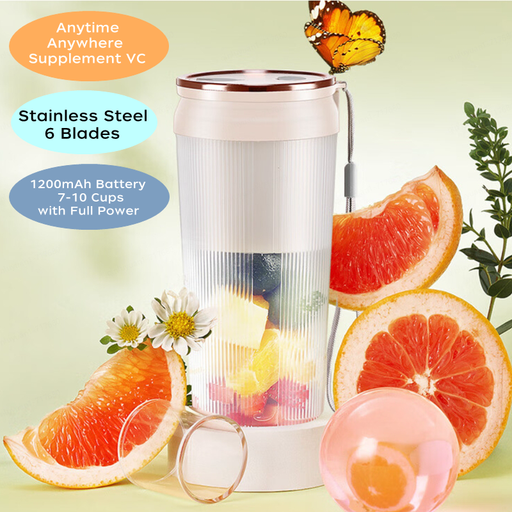
Why this product suits the profile: This portable juicer combines a 300 ml cup with a 1200-mAh battery, making it suitable for small portions when you are out and about.
The product description lists suitable soft ingredients and a recommended piece size of around 1 to 1.5 cm. This defines its intended use more clearly than general multifunction claims.
300 ml cup, rechargeable battery and washable construction for individual portions.
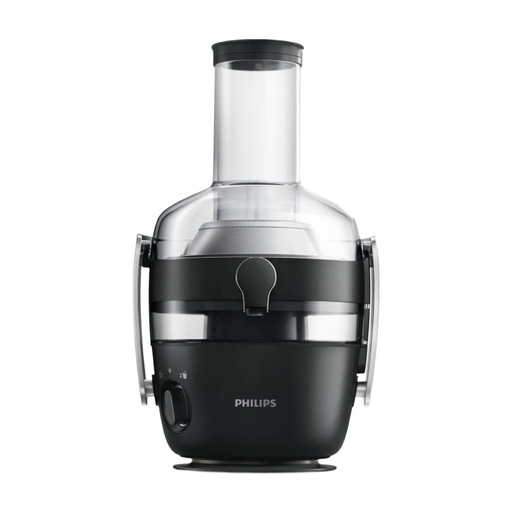
Why this product suits the profile: This model is designed for larger quantities of fruit and vegetables and offers a wide feed chute and two speed settings.
The product details mention QuickClean Plus, a drip stop and mostly dishwasher-safe removable parts. This addresses the cleaning effort that is so often underestimated.
Stated motor power of 1000 W, 1-litre juice container, 2.1-litre pulp container and 8-cm feed chute.
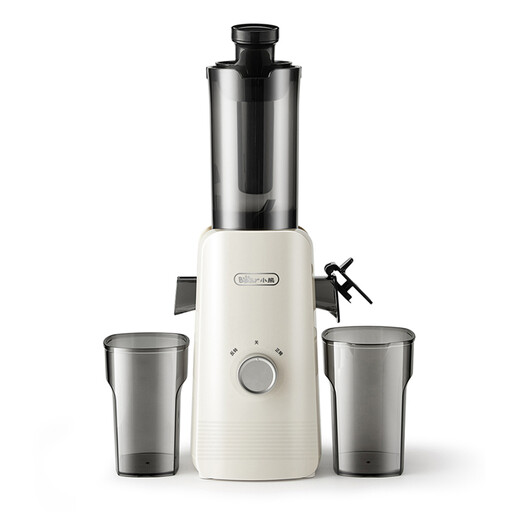
Why this product suits the profile: This slow juicer separates juice from pulp and is designed for users who regularly process different types of fruit and vegetables.
With three main components, a cleaning brush and separate containers, the design remains easy to understand. The stated maximum running time of 15 minutes per use should be observed.
130 W of power, 80-mm feed chute, 0.8-litre capacity and separate juice and pulp containers.
We have put together a complete, regularly updated list of products that fully meet these strict selection criteria and the safety regulations applicable in the EU.
Also pay attention to the operating time. Some appliances must not be operated continuously and need breaks to cool down. With centrifugal juicers, blades and filters should be handled carefully because of their sharp edges. Children should use electrical appliances only under supervision and in accordance with the user manual.
A citrus press is specifically designed for citrus fruit such as oranges and lemons. Depending on its design, a traditional fruit and vegetable juicer can also process apples, carrots, cucumbers and other ingredients. The product instructions determine which foods are actually suitable.
The service life depends, among other things, on how frequently the appliance is used, how it is cleaned, the ingredients processed and whether the maximum operating time is observed. Hard pips, fibrous plant matter or overfilling can put strain on the components. Cleaning the appliance straight away and using the supplied pusher help ensure proper operation.
Power consumption depends on the wattage and operating time. An appliance rated at 30 W uses considerably less energy per use during short pressing cycles than a 1,000 W appliance running continuously. For a realistic estimate, you should consider the actual operating time and how often you prepare juice.