
Lieferung heute & morgen

Qualitätsgarantie

Willkommens-Angebote freischalten: KOSTENLOSE Lieferung | Bis zu 80 % RABATT | Kostenlose 30-Tage-JoyPlus-Testphase
App herunterladen
A juicer can make preparing fruit and vegetable juices much easier. However, different models vary considerably in the types of juice they make, how they work and clean, and which ingredients they’re suited to. If you focus only on wattage, the feed chute or marketing claims, you could quickly end up with a juicer that doesn’t suit the way you’ll use it day to day.
A powerful motor can make it easier to process certain ingredients. But a juicer’s suitability also depends on its filter, auger, feed chute, operating time and design. A centrifugal juicer, for example, works differently from a slow juicer or cold-press juicer. Always consider wattage alongside the technology and the manufacturer’s specifications.
Not every juicer is suitable for soft, fibrous or starchy ingredients. Bananas, avocados and mangoes can clog the filter in centrifugal models. Very tough fibres, stones or sticky pulp can put strain on the feed area and filter. Before buying, check which ingredients the juicer is specifically designed for, and which it can’t handle.
Removable parts make cleaning easier, but you’ll still need to check each component. Fine filters, narrow juice channels and hard-to-reach seals can all add to the cleaning effort. A juicer that’s easy to clean should have as few separate parts as possible and come with clear assembly instructions.
A juicer with a large feed chute can cut down on preparation time if it lets you process apples and other fruit with less chopping. Check the actual dimensions rather than relying on a label such as “wide mouth”. A juice container of around 600 millilitres is often enough for one person; families and frequent users are more likely to benefit from larger pulp and juice containers.
Plastic components should have clear material information. A model labelled as a BPA-free juicer may appeal to buyers specifically looking for this feature. You should also check the following:

Why this product suits this profile: This electric juicer is designed for smaller households and occasional juicing. Two speed settings and a 600-ml container make it easy to prepare manageable portions.
Removable parts and automatic separation of pulp and juice mean there’s less need for manual straining.
400-watt motor according to the product name, vertical design and two speed settings.
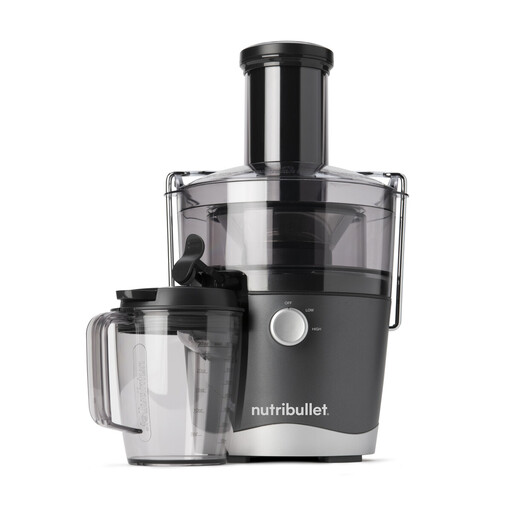
Why this product suits this profile: This model combines an 800-watt motor, two speed settings and a 3-inch feed chute. It’s a good fit for households that regularly process a range of fruit and vegetables.
The wide feed chute helps reduce preparation time. According to the product information, removable parts, including the pulp container, are dishwasher-safe.
1.5-litre pulp container, 800-watt motor and a sealable 800-ml glass included.
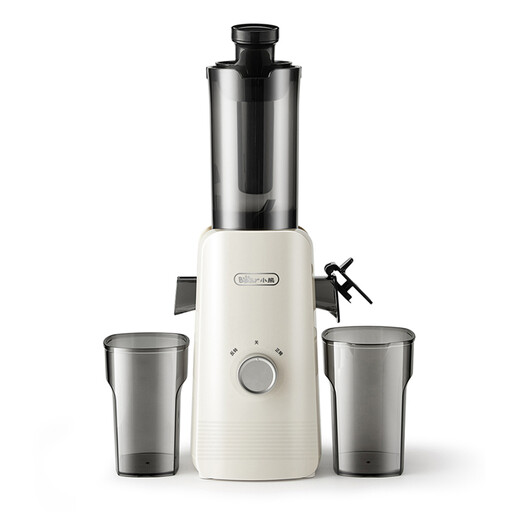
Why this product suits this profile: This slow juicer has a 130-watt motor and an auger. An 80-mm feed chute, a 0,8-litre juice container and separate containers for juice and pulp make it a practical choice for regular use.
According to the product description, it has three main components and comes with a cleaning brush. Bear in mind that the maximum operating time is 15 minutes per use.
80-mm feed opening, separate juice and pulp containers, and a compact design.
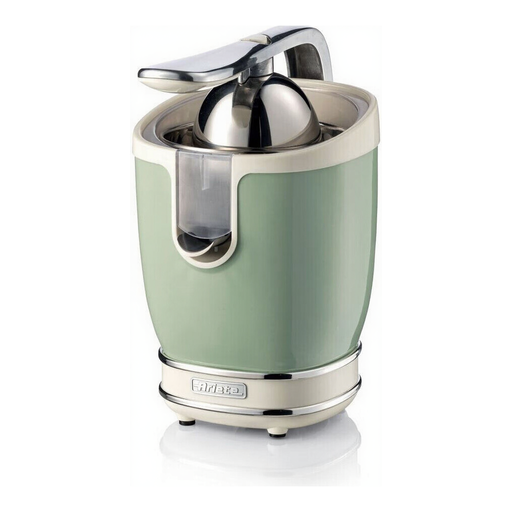
Why this product suits this profile: This electric citrus juicer is designed for oranges, lemons and similar citrus fruit. A lever, two reamers and a 0,6-litre container make it easy to enjoy fresh juice without an all-purpose juicer.
Its clear specialism helps avoid expecting it to juice all kinds of fruit and vegetables. The motor is rated at 85 watts.
Two reamers, lever operation and a drip-free spout according to the product description.
We’ve put together a complete, regularly updated list of products that meet these strict selection criteria and fully comply with the safety regulations applicable in the EU.
For consistent results, wash and cut fruit and vegetables to size before juicing. With many models, orange and grapefruit peel shouldn’t go into the feed chute. Handle stones, hard pips and very fibrous ingredients as directed in the instruction manual.
After use, follow these steps:
It depends on the ingredients and the quantity you want to make. A centrifugal juicer is an option for quickly juicing firm fruit and vegetables. If you’d like to make slow-pressed juices more often, you could choose a slow juicer. For orange and lemon juice only, an electric citrus juicer is usually all you need.
There’s no single answer. A juicer’s lifespan depends on how long it runs, how it’s cleaned, the ingredients used and whether it’s operated correctly. Follow the guidance on maximum running times, breaks and suitable foods. Regular cleaning also stops residue from putting unnecessary strain on the filter and seals.
Energy use depends on the motor’s power and how long the juicer runs. In theory, a 800-watt model uses less electricity in ten minutes of operation than in an hour of continuous use. So for running costs, how often and how long you use it matter more than wattage alone.