
Lieferung heute & morgen

Qualitätsgarantie

Willkommens-Angebote freischalten: KOSTENLOSE Lieferung | Bis zu 80 % RABATT | Kostenlose 30-Tage-JoyPlus-Testphase
App herunterladen
A juicer can prepare fresh drinks from fruit and vegetables, but not every appliance is suitable for every kitchen. If you focus only on wattage, big advertising promises or an especially low price, you can easily overlook important details: the feed chute may be too small, cleaning may become unnecessarily time-consuming or the appliance may be designed exclusively for citrus fruit.
Before buying, you should therefore check three common pitfalls:
A slow juicer uses a pressing screw and normally processes ingredients more slowly than a classic centrifugal juicer. This type is worth considering if you regularly want to combine apples, carrots, cucumbers or other fruit and vegetables. Look at the size of the feed chute, the maximum operating time and whether there are separate containers for juice and pulp.
One example is the Bear YZJ-F01D6, with an 80-mm feed chute, 130 watts and a stated maximum operating time of 15 minutes per use. According to the manufacturer, the model has a pressing screw and separates juice and pulp into separate containers. Its actual suitability will still depend on the ingredients used and how they are prepared.
A citrus press, also known as an orange juicer, is designed for lemons, oranges and grapefruits. It does not require sharp cutting blades to press halved fruit and is generally straightforward for this clearly defined purpose.
Important criteria include:
Capacity is also important for families. A 1.2-litre container can hold more juice than a compact 400-millilitre model, but it will also take up more worktop space.
A portable juicer in a juicing cup format is designed for use on the go, in the office or for small portions. These appliances are generally suitable for soft, juicy ingredients. Hard apples, carrots, ice cubes or fibrous foods should only be processed if the instruction manual explicitly allows it.
Before buying, check:
A portable juicer therefore does not automatically replace a full-size slow juicer. It is better viewed as a flexible option for individual portions.
A large feed chute can reduce the need to chop apples or oranges. The Bear YZJ-F01D6 is specified as having an 80-mm opening. Even so, hard or large ingredients should be prepared according to the instruction manual.
The container size should suit your household:
A juicer that is easy to clean is likely to be used more regularly in everyday life. Look for a small number of components, easily accessible strainers and a cleaning brush included in the box. With appliances that separate the pulp, the juice container and pulp container should sit securely and be rinsed shortly after use.
For dishwasher-safe parts, the following applies: the motor housing and power cable must not be immersed in water. Always follow the manufacturer’s instructions.
For electrical appliances in Germany, the information on the rating plate is crucial. The mains-powered appliances featured here are specified for 220–240 volts and 50–60 hertz. The socket must be suitable and earthed where required by the safety instructions.
Other points to consider:
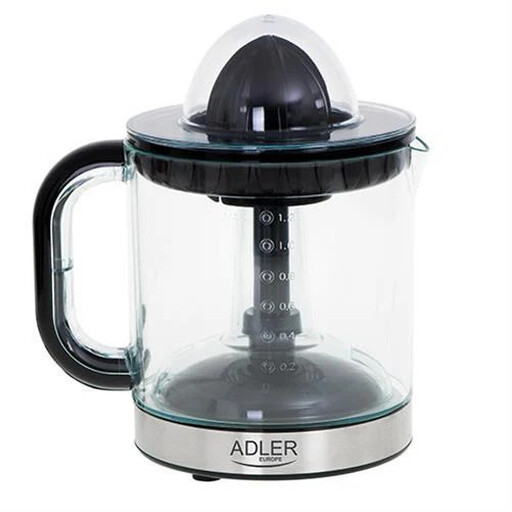
Why this product suits this profile: This electric citrus press is designed for lemons, oranges and grapefruits, and comes with a 1.2-litre glass container for several portions.
The two pressing cones and the strainer make its intended use clearer than that of a supposed all-rounder without dedicated citrus accessories.
40 watts rated power, an automatic start-stop function and dishwasher-safe parts, excluding the motor base.
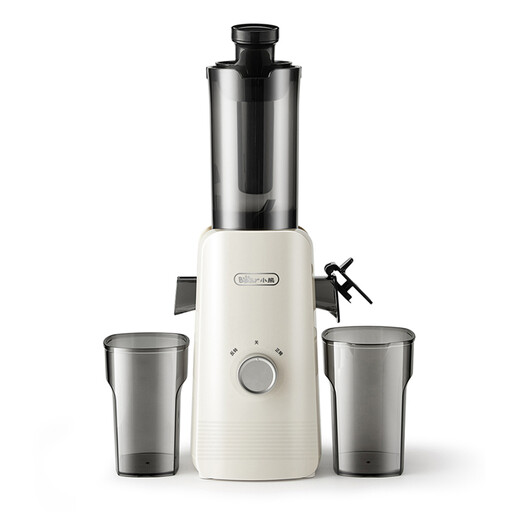
Why this product suits this profile: This slow juicer is intended for users who want to prepare juice from fruit and vegetables while collecting the juice and pulp separately.
The stated maximum usage time of 15 minutes per use helps prevent continuous overloading caused by excessively long operating times.
80-mm feed chute, 130 watts, 0.8-litre capacity and, according to the manufacturer, three central components for assembly and cleaning.
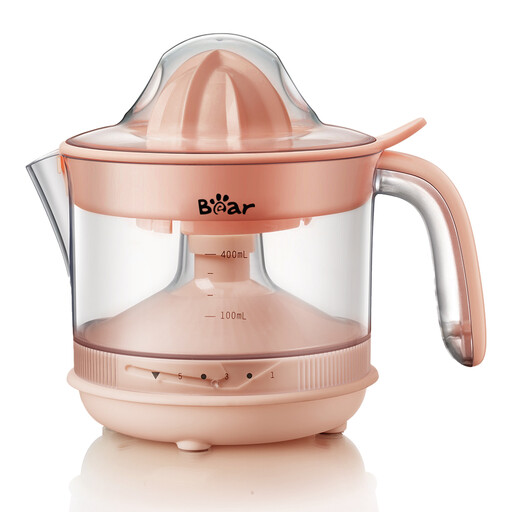
Why this product suits this profile: This compact citrus model with a 400-millilitre capacity is aimed at small households, parents and users who want to press orange or lemon juice by the portion.
As a citrus press without cutting blades, its intended use is clearly defined. A stable, non-slip base and removable parts make it easier to handle.
30 watts, 400 millilitres, five adjustable pressing levels and a stated 110-mm feed chute.
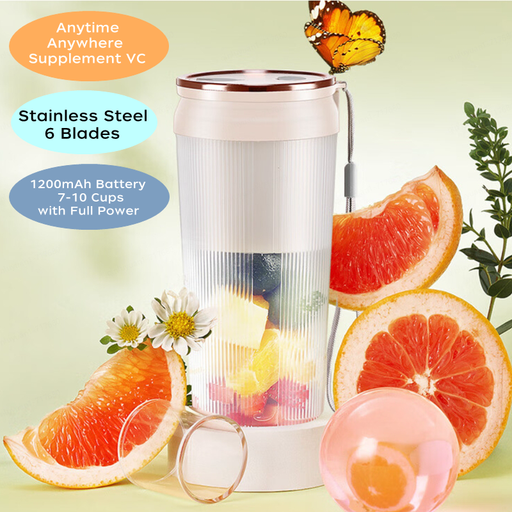
Why this product suits this profile: This cordless 300-millilitre juicing cup is designed for small portions and use on the go.
The specified ingredient quantities and recommended piece size of around 1 to 1.5 cm make the limitations of a portable appliance clear.
1200-mAh battery, 300-ml cup and washable cup for individual portions of soft, juicy ingredients.
We have put together a complete, regularly updated list of products that fully meet these strict selection criteria and the safety regulations applicable in the EU.
For a versatile selection of fruit and vegetables, a slow juicer is usually more suitable than a dedicated citrus press. Check the relevant manufacturer’s information on hard, soft and fibrous ingredients. A citrus press, on the other hand, is designed specifically for oranges, lemons and grapefruits.
Rinse the strainer, pressing cones and containers immediately after use, before any pulp has a chance to dry on. A juicer with just a few individual parts, removable components and an included cleaning brush can reduce the effort involved. The motor base and electrical connections must not come into contact with water.
As well as the purchase price, you should consider electricity consumption, replacement parts and the time needed for cleaning. Power consumption in watts is one indication, but it does not provide a complete picture of the costs. With a 130-watt appliance, actual consumption depends on how long it is operated. A portable juicer also needs to be recharged regularly. The key factor is therefore how often you use the appliance and the quantities you prepare.