
Lieferung heute & morgen

Qualitätsgarantie

Willkommens-Angebote freischalten: KOSTENLOSE Lieferung | Bis zu 80 % RABATT | Kostenlose 30-Tage-JoyPlus-Testphase
App herunterladen
A juicer can make preparing fruit and vegetable juices easier. However, attractive advertising claims do not automatically mean a device is right for you. The type of juicer, build quality, cleaning requirements and the space it actually takes up in your kitchen are all important factors.
Most purchasing problems arise from three common pitfalls:
Before buying, you should be clear about which drinks you regularly want to prepare. Juicers differ in how they work and which ingredients they are suitable for.
A centrifugal juicer uses a rotating cutting and filtering system. Depending on the model, it can process apples, carrots, cucumbers and other firm ingredients. This type of appliance is interesting for anyone who wants to prepare larger quantities quickly.
Look out for:
However, a higher wattage alone says nothing about how suitable the appliance is for everyday use. Its design, stability and ease of cleaning also affect the user experience.
A slow juicer uses a slowly rotating auger. This method is suitable for many types of fruit and vegetables and generally separates the juice from the pulp during the pressing process. Before buying, check the recommended maximum operating time, as some models are designed for limited periods of use only.
A traditional juice press or citrus press, on the other hand, is designed for citrus fruit. This type of appliance is often a straightforward choice for oranges, lemons, limes and mandarins. However, it is not intended to function as an all-purpose fruit and vegetable juicer.
A manual orange press or lemon press does not require electricity and can usually be stored away with minimal use of space. A portable juicer with a rechargeable battery is suitable for small portions when you are out and about. It often processes soft, chopped ingredients and produces a more smoothie-like consistency rather than clear juice.
A juicer with a large feed chute can make preparation easier. The stated feed chute on the NutriBullet NBJ100G measures 3 inches, or approximately 7.6 centimetres. According to the product description, the pulp container holds 1.5 litres. The model also comes with an 800-millilitre juice jug with a resealable lid.
The container size should suit your household:
A juicer that is easy to clean should have components that are easy to access. Check whether the filter, juice container and pulp container can be removed, and whether individual parts are dishwasher-safe. The motor housing must never be immersed in water.
Citrus presses usually have a simpler design. Nevertheless, before buying, check which parts can be removed and whether pulp may remain trapped in hard-to-reach areas.
An electrical appliance should be designed for the 220 to 240 volt mains voltage commonly used in Germany. Non-slip feet, a secure lid lock and easy-to-understand instructions are also important.
You should also check the list of suitable ingredients. A centrifugal juicer is not automatically suitable for bananas, avocados, sugar cane or hard stones. With a citrus press, ice cubes or hard objects must not be placed in the pressing area. Always unplug the appliance before cleaning.
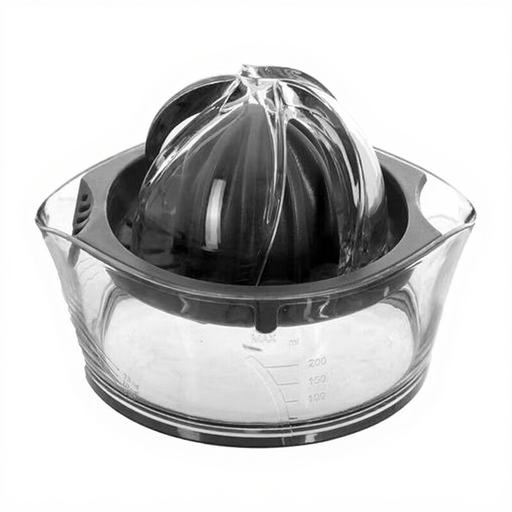
Why this product suits this profile: This compact manual citrus press is suitable for small quantities of lemon or orange juice and requires no electricity. The integrated 200-millilitre container makes it easier to collect the juice.
The simple design reduces the number of individual parts and therefore the number of areas that may need cleaning. Citrus fruit does not require a complex juicer.
200-millilitre capacity and 2-in-1 design for lemons and oranges.
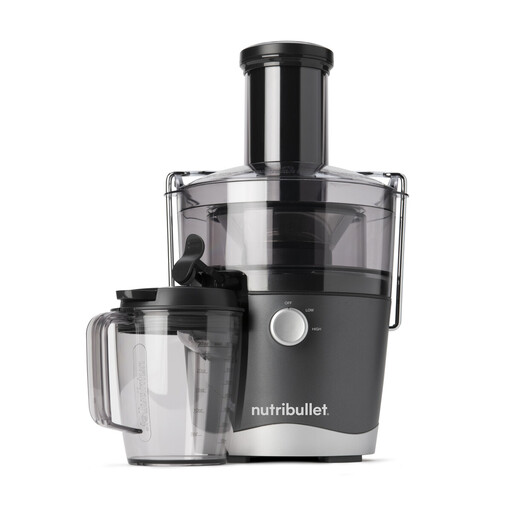
Why this product suits this profile: This electric juicer offers 800 watts, two speed settings, a 3-inch feed chute and a juice jug with an 800-millilitre capacity.
The larger feed chute can reduce the amount of cutting required. According to the product description, the removable pulp container is dishwasher-safe.
800-watt motor, two speed settings and a 1.5-litre pulp container.
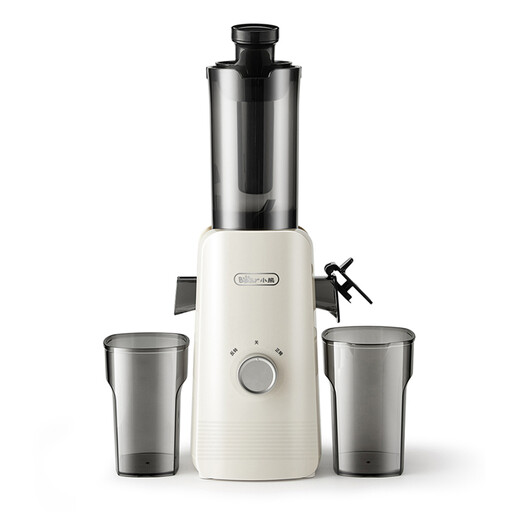
Why this product suits this profile: This slow juicer is designed for users who want to prepare fruit and vegetable juice regularly while collecting the juice and pulp separately.
The 80-millimetre opening can reduce the need to chop certain ingredients. The manufacturer’s stated maximum operating time of 15 minutes per use should be observed.
130 watts, 0.8-litre capacity and three main components for assembly and cleaning.
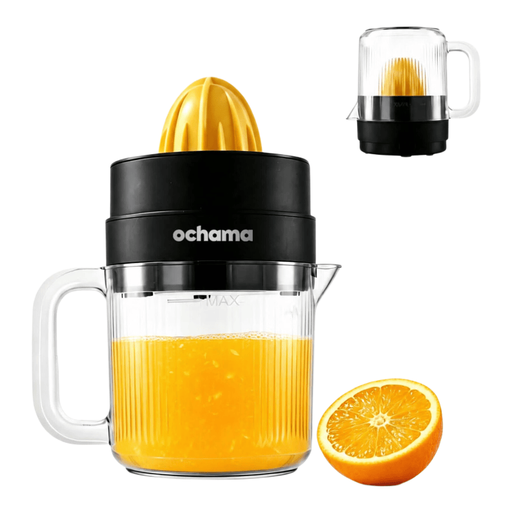
Why this product suits this profile: This electric citrus press is designed for oranges, lemons, mandarins and similar fruit. With a capacity of 1.4 litres, it is suitable for several portions.
The design works without cutting blades and is limited to citrus fruit. Removable accessories can be cleaned separately; the motor housing must not get wet.
30 watts, 1.4-litre capacity and a design that separates pulp from juice.
We have put together a complete, regularly updated list of products that fully meet these strict selection criteria and the safety regulations applicable in the EU.
For pure citrus juices, a citrus press is usually all you need. An electric orange press makes it easier to prepare several portions, while a manual lemon press is sufficient for individual glasses. For apples, carrots or cucumbers, you will need a fruit and vegetable juicer.
Service life depends on the materials, care, operating time and whether the recommended ingredients are used. Clean the appliance immediately after use, do not allow fruit residue to dry on it and do not exceed the stated operating time. A damaged cable or unusual noises are also reasons to stop using the appliance.
Consumption depends on the motor power and the actual operating time. An appliance rated at 800 watts uses approximately 0.133 kilowatt-hours when operated for ten minutes. A 30-watt citrus press uses considerably less over the same period. For household running costs, it is therefore not just the wattage that matters, but also how long the appliance is used.