
Lieferung heute & morgen

Qualitätsgarantie

Willkommens-Angebote freischalten: KOSTENLOSE Lieferung | Bis zu 80 % RABATT | Kostenlose 30-Tage-JoyPlus-Testphase
App herunterladen
A dead car battery is more than just an annoyance—it means wasted time, missed appointments, and potential costs for roadside assistance. A portable jump starter promises a quick, independent solution. But the market for these devices is crowded and confusing. Many drivers invest in a jump starter, only to find out at the critical moment that it's unsuitable or already faulty.
As a Joybuy Product Recommendation Officer, I analyse product data to help you separate the good from the bad. This guide exposes the most common pitfalls and shows you which technical specs really matter, so you can make an informed decision on a reliable emergency kit for your car.
Marketing hype and unclear technical specifications often lead to disappointment. Pay close attention to these three points to avoid a bad purchase:
To find the right portable jump starter, focus on the following objectively measurable criteria.
Ignore the marketing-driven peak current value and focus on its suitability for your engine type. As a rule of thumb:
A 12V jump starter is the standard for virtually all cars, SUVs, and motorcycles.
Capacity is crucial if you also plan to use the device as a power bank with jump-starting capabilities. A higher capacity allows for more jump-start attempts or multiple smartphone recharges.
Some models offer a jump starter with an air compressor. These are ideal for comprehensive roadside and travel preparedness, as they can also be used to inflate tyres. However, keep in mind that these units are larger and heavier. Weigh whether you truly need this additional function.
A high-quality battery booster must have comprehensive protection circuits. Look for features like reverse polarity, short-circuit, overcharge, and overheat protection. The clamps (alligator clips) should be robust, fully insulated, and made from solid material to ensure good conductivity and safe handling. The CE mark is a minimum standard for sale in the EU.
Here are three recommendations tailored to different user profiles that avoid the pitfalls mentioned.

Why This Fits Their Persona: Ideal for drivers of standard petrol or smaller diesel vehicles who need a compact, straightforward, and cost-effective emergency solution. Fits easily in the glove compartment.
This model focuses on the core function: reliable jump-starting for common passenger cars. It avoids the trap of paying for oversized performance or unnecessary extra features.
Very compact and lightweight design (approx. 330g). Features an integrated LCD display for easy monitoring of the charge status and includes all necessary safety functions.
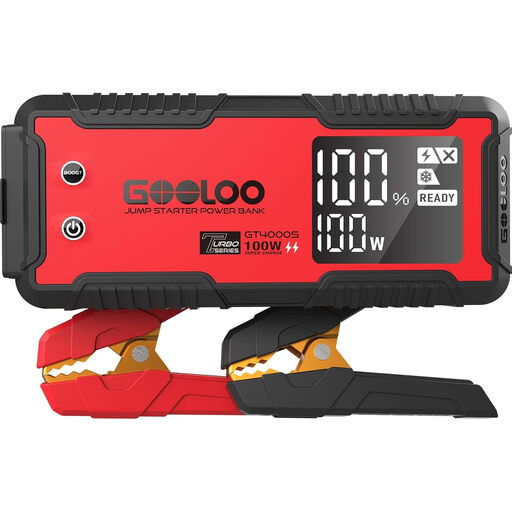
Why This Fits Their Persona: Designed for drivers of large-displacement engines (up to 10.0L diesel) who need high, reliable starting power, even in cold weather. The fast-charging feature is an added benefit for frequent users.
This unit actually delivers the high power required for large engines, bypassing the pitfall of an underpowered "imposter" product. The 100W fast-charging capability is an objectively measurable advantage, not an empty marketing claim.
Very high starting power for almost all passenger car engines. Extremely fast self-recharging (100W). Also serves as a powerful power bank for laptops (via USB-C).
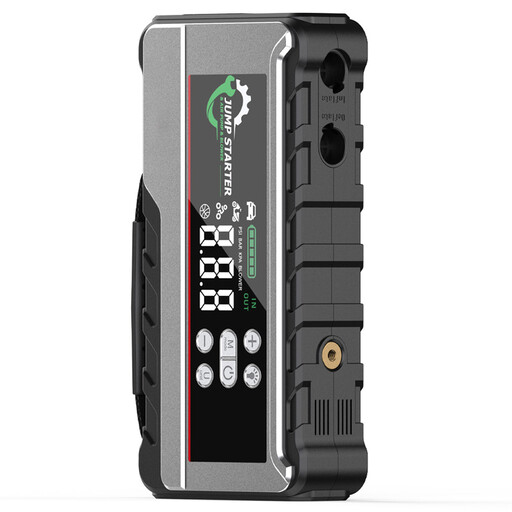
Why This Fits Their Persona: The all-in-one device for those who need maximum functionality on the go. It combines a powerful jump starter with a 150 PSI compressor and a PD 65W power bank for charging laptops and other devices.
Instead of buying multiple separate devices of potentially lower quality, this model bundles high-quality components. It avoids the trap of a "multifunctional" device where the extra features are just a weak compromise.
Combines a jump starter, tyre compressor (150 PSI), air blower, and a very fast PD 65W power bank. Ideal for camping, road trips, and as a comprehensive emergency tool.
We have compiled a complete, up-to-date list of products that fully meet these strict selection criteria and EU safety regulations.
1. How often do I need to charge a jump starter? To maintain the life of the internal battery, it is recommended to fully charge the device every 2 to 3 months, even if it has not been used. Most modern devices have low self-discharge, but regular maintenance ensures it's ready in an emergency.
2. Can a jump starter damage my car battery or electronics? When used correctly, the risk is minimal. Modern jump starters feature smart clamps with protection circuits that prevent damage from reverse polarity or short circuits. An alarm or indicator light will warn you of an incorrect connection. The main danger comes from very cheap, uncertified devices that lack these safety features.
3. What is the difference between a jump starter and a battery charger? A jump starter (also called a car booster) delivers a short, very high burst of current to start the engine when the battery is too weak. It does not recharge the battery. A battery charger, on the other hand, slowly recharges a dead battery back to full over several hours. It cannot start a vehicle directly. Both devices serve different purposes for vehicle maintenance and roadside assistance.