
Lieferung heute & morgen

Qualitätsgarantie

Willkommens-Angebote freischalten: KOSTENLOSE Lieferung | Bis zu 80 % RABATT | Kostenlose 30-Tage-JoyPlus-Testphase
App herunterladen
A flat car battery always seems to happen at the worst possible moment: before work in the morning, on a campsite, or after the car has been sitting for a while. A portable jump starter can be a handy backup to have on hand. However, jump starters, car battery boosters and traditional battery chargers differ significantly from one another.
As Joybuy's Product Recommendation Officer, I'll give you a balanced overview of the most important selection criteria. High amperage figures alone don't automatically make a device suitable for your car. What really matters includes your vehicle's voltage, engine size, battery type and how you intend to use it.
Many brands advertise high peak currents. However, this figure doesn't necessarily reflect the power delivered during every starting attempt. You should also check which petrol and diesel engine sizes the manufacturer says the device is suitable for.
For example, a unit with 1,500 A might be designed for petrol engines up to 6.0 litres and diesel engines up to 4.0 litres. Larger engines, vans or heavily discharged batteries may need different power reserves. These specifications can't simply be applied to every vehicle.
A power bank with jump-start capability, an LED light or a built-in tyre compressor are useful additions, but they usually add weight, size and complexity. If you only need to jump-start a battery, you don't necessarily need a compressor.
On the other hand, a multi-function device can be a great choice for campers, SUV drivers or outdoor enthusiasts. In that case, look for details like maximum tyre pressure, automatic shut-off and the compressor's permitted running time.
Lithium-based jump starters lose energy while in storage. Some product recommendations suggest recharging every two to three months, while others advise every three to six months. If you keep the device permanently in your vehicle, check the charge level regularly and protect it from extreme heat.
A portable jump starter is also not a replacement for a faulty or damaged car battery. Never attempt a jump start on a battery that is leaking, frozen or visibly damaged.
Most devices in this category are designed for 12-volt vehicles. This includes many cars, motorcycles, SUVs, vans and motorhomes. A 12-volt jump starter is not automatically suitable for 24-volt lorries or buses. Electric vehicles with high-voltage batteries must not be started via their drive system.
So, compare the following:
A jump starter should have at least reverse polarity protection, short-circuit protection and overload protection. It's also handy to have spark prevention, temperature monitoring and a clear indicator showing the correct connection.
When connecting: attach the red cable to the positive terminal and the black cable to the negative terminal or the designated earthing point. Always follow your vehicle's and the device's instruction manuals. After starting, remove the clamps according to the manufacturer's instructions.
A car battery charger plugs into a mains socket and charges the battery gradually over a longer period. A 12V battery charger is therefore ideal for maintenance, seasonal storage and regular charging.
A portable booster, on the other hand, delivers energy quickly to start the engine. It doesn't need a mains socket at the breakdown site, but it must be sufficiently charged itself. If you have a garage with a power supply, a charger may be more practical; for travel and emergencies, a jump starter offers more flexibility.
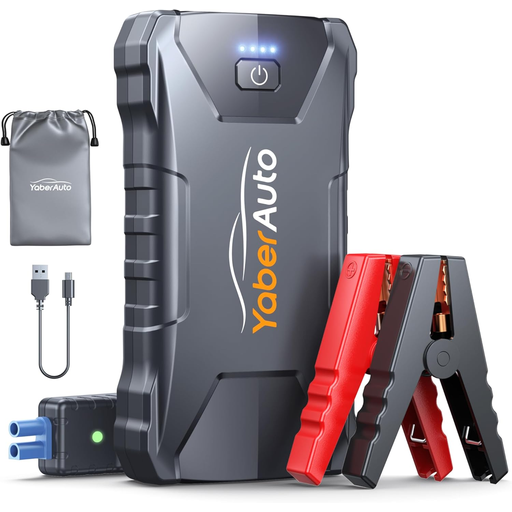
Why this product fits the profile: This compact device is rated for 12-volt vehicles, petrol engines up to 7.0 litres and diesel engines up to 5.5 litres. It also includes a USB power bank and an LED light.
The product data specifies concrete engine limits and recommends recharging every two to three months, rather than just advertising a high current figure.
2,000 A peak current, 13,800 mAh capacity and a weight of 0.34 kg according to the product specifications.
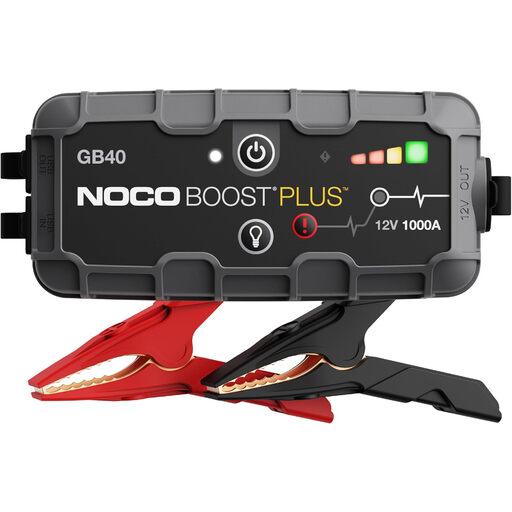
Why this product fits the profile: For cars, motorcycles and boats, this device offers clearly defined compatibility up to 6.0 litres petrol and 3.0 litres diesel.
The UltraSafe technology is described with spark prevention and reverse polarity protection. The stated IP65 rating is a concrete technical specification.
1.1 kg weight, USB power bank and an LED light with seven modes according to the manufacturer's specifications.

Why this product fits the profile: For SUV, van and camping users, this device combines jump-starting, a tyre compressor, LED light and power bank in one unit.
The specifications mention five pressure modes, three units and automatic shut-off. According to the manual, the compressor should not run continuously for more than ten minutes.
4,500 A peak current, up to 150 PSI and ten built-in protection functions according to the product description.
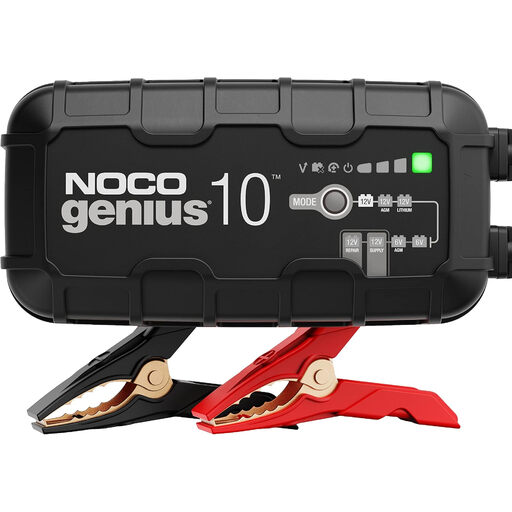
Why this product fits the profile: This device is suitable for regular maintenance of car and motorcycle batteries when a 240-volt mains socket is available.
This is not a portable booster but an automatic charger and maintainer. This clearly separates its purpose from spontaneous breakdown assistance.
6- and 12-volt support, 10 A charging current and compatibility with AGM, Gel, EFB and LiFePO4 batteries according to the product data.
We've put together a complete, regularly updated list of products that fully meet these strict selection criteria and the safety regulations in force in the EU.
There's no one-size-fits-all answer. What matters is the engine size, whether it's diesel or petrol, and the manufacturer's specifications. A small car has different requirements to a large diesel SUV. So always compare the stated engine compatibility, not just the peak current.
No. A jump starter is designed for a quick engine start. For a full charge and maintenance, you need a suitable car battery charger. If you're having repeated starting problems, the battery should be professionally checked or replaced if necessary.
The lifespan depends on the battery type, storage conditions and charging intervals. Regular recharging, dry storage and protection from extreme heat will help keep it ready for use. Follow the intervals recommended by the manufacturer and don't use the device if the cables, clamps or casing are damaged.