
Lieferung heute & morgen

Qualitätsgarantie

Willkommens-Angebote freischalten: KOSTENLOSE Lieferung | Bis zu 80 % RABATT | Kostenlose 30-Tage-JoyPlus-Testphase
App herunterladen
A dead car battery on a cold morning or a slowly deflating tire far from the nearest garage—these breakdowns are more than just annoying. They cost time, stress, and often a lot of money for roadside assistance. A jump starter with a compressor promises to be a multifunctional solution for these exact problems. But the market is flooded with devices making grandiose promises. As your Joybuy Product Recommendation Officer, I'll help you separate the wheat from the chaff and make an informed decision.
Many buyers fall into common pitfalls when choosing a device. Before we look at which features really matter, here are the three most frequent mistakes you should avoid:
To make a smart purchasing decision, you should focus on objective performance data. These three parameters are non-negotiable for a device to function as a car jump starter and a 12V portable compressor.
The most important value for a battery booster is the peak current, measured in Amperes (A). It indicates how much energy the device can deliver for a short burst to turn over the engine's starter motor.
The capacity in mAh is secondary and primarily determines how many times you can jump-start a car or how long you can charge your smartphone before the power bank with jump starter and compressor needs to be plugged in again.
A good electric tire inflator is defined not just by its maximum pressure (PSI/Bar), but also by its air flow rate. A value of 20-35 litres per minute is a good benchmark to avoid spending an eternity inflating a standard car tire. Also, look for an automatic shut-off feature: you set the target pressure, and the compressor stops on its own when it's reached. This prevents over-inflation and makes operation much more convenient.
A reliable emergency jump starter must have multiple protection circuits. The non-negotiables are:
Also, check the quality of the battery clamps. They should be robust, made of solid metal (often copper-coated), and have a strong spring for a firm grip on the battery terminal.
Instead of making a one-size-fits-all recommendation, we have selected products for different user profiles.
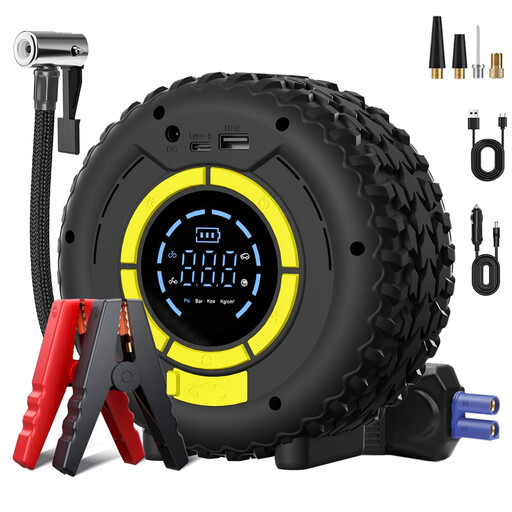
Why it's a good fit: This device is designed for the typical driver who needs a reliable all-in-one solution for breakdowns. It combines a jump starter, compressor, and power bank in a compact case that fits easily in the glove compartment or trunk. Ideal for commuters and family vehicles.
The compressor delivers a practical pressure of 150 PSI and features an automatic shut-off, bypassing the "token feature" trap. The digital display clearly shows all relevant data, avoiding vague performance promises.
The combination of 120W jump-starting power, four intelligent inflation modes, and an integrated 8000 mAh power bank makes it a versatile tool for the most common roadside emergency scenarios.
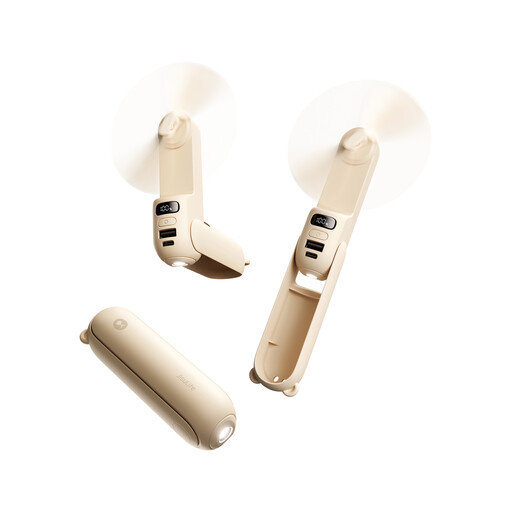
Why it's a good fit: For users who primarily need a reliable mobile power source and an emergency light, but not a jump-start function. Ideal for camping, festivals, or as a backup power bank in the car to keep communication devices running.
This device doesn't try to be a jump starter or a compressor. It focuses on its core functions: a power bank and a flashlight. The LED display accurately shows the battery status, thus avoiding the trap of vague capacity promises.
Weighing only 130 grams and featuring a foldable design, it is extremely portable. The 3-in-1 functionality (fan, power bank, flashlight) offers clear value for outdoor activities and minor emergencies where compactness is key.
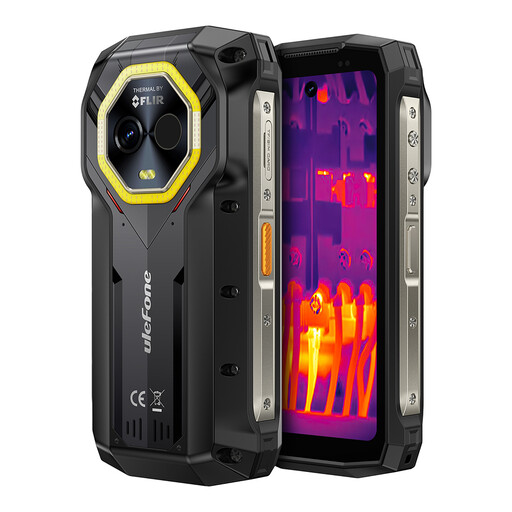
Why it's a good fit: For users in demanding environments (construction sites, forestry, off-roading) where reliability and multifunctionality are vital for survival. This rugged smartphone is not just a communication device but also an emergency power source, thanks to its large battery and reverse charging function.
It doesn't promise to be a jump starter but delivers a reliable power reserve. The 6200mAh solid-state battery functions even at -20°C, according to the manufacturer. Its IP68/IP69K and MIL-STD-810H certifications objectively prove its resilience, bypassing the trap of poor build quality.
The integrated FLIR Lepton 3.5 thermal imaging camera is a professional tool for quickly diagnosing overheating vehicle parts or for locating people. The reverse charging function can power other vital equipment like a GPS or a headlamp.
We have compiled a complete, real-time list of products that fully meet these strict selection criteria and UK safety regulations.
Even when not in use, the internal battery is subject to self-discharge. It is recommended to fully charge the device every 3 to 6 months to ensure it is ready for an emergency. Most modern devices have a charge level indicator that shows you the current status.
No. Its suitability depends on the peak current (A) of the jump starter and the displacement and type of engine (petrol/diesel). A device designed for a 1.6L petrol engine will not be able to start a 3.0L diesel engine. Always check the manufacturer's specifications for engine compatibility before purchasing and compare them with your vehicle.
Modern, high-quality devices are equipped with comprehensive safety features that make incorrect use almost impossible. Reverse polarity protection is the most important feature in this regard. As long as you read and follow the instruction manual carefully, operation is safe even for people with no technical expertise. Always connect the red clamp to the positive terminal first, and then the black clamp to the negative terminal (or a designated grounding point on the car's chassis).