
Lieferung heute & morgen

Qualitätsgarantie

Willkommens-Angebote freischalten: KOSTENLOSE Lieferung | Bis zu 80 % RABATT | Kostenlose 30-Tage-JoyPlus-Testphase
App herunterladen
Finding the right vitamin D3 supplement can quickly become overwhelming. The term "high-dose" is especially common, but it often lacks a clear definition, which can lead to confusion and poor purchasing decisions. Many products promise optimal support, but not all of them live up to their claims. This guide will help you understand the key criteria and avoid common pitfalls when buying vitamin D3.
Before you choose a product, it's important to be aware of three common marketing traps that can lead to an unsuitable choice.
Vitamin D3 gummies—the format affects not only the ease of use but also the composition. Gummies, for example, may contain sugar or glucose syrup, while oil-based drops often offer good bioavailability but can be impractical for some.Vitamin D3 and calcium is particularly relevant. An isolated, high-dose supplement is not always the most effective solution, depending on your individual diet and health goals.To make an informed decision, you should check three key parameters. These will help you objectively assess a product's quality and suitability.
The dosage of vitamin D3 is given in International Units (IU) or micrograms (?g). The conversion is simple: 1 ?g = 40 IU. Therefore, a dose of 1,000 IU is equivalent to 25 ?g.
Vitamin D3 deficiency or as a weekly Vitamin D3 depot dose. The European Food Safety Authority (EFSA) has set a tolerable upper intake level of 100 ?g (4,000 IU) per day for adults. Long-term, high-dose intake should only be done after consulting a doctor or pharmacist.The choice of format depends on personal preferences and needs.
Vitamin D3 for kids.Vitamin D3 often performs its functions in the body in synergy with other substances. For example, a Vitamin C, Zinc, and D3 combination is frequently offered to support the Vitamin D3 immune system. For bone health, the combined intake of vitamin D3 and calcium is important, as vitamin D contributes to the normal absorption and utilisation of calcium. A combination with magnesium or vitamin K2 can also be beneficial, depending on the intended use.
Based on the criteria mentioned, we have compiled a selection of products for different user profiles.
Why This Fits Their Persona: Ideal for individuals looking for an uncomplicated and tasty alternative to tablets. The gummies make daily intake easy and enjoyable.
The dosage is clearly declared as 4000 IU per daily serving (2 gummies), avoiding the pitfall of vague "high-dose" claims. The format is intentionally chosen for easy intake.
Pectin-based and therefore suitable for a vegetarian diet. The pack of 120 provides a 2-month supply.
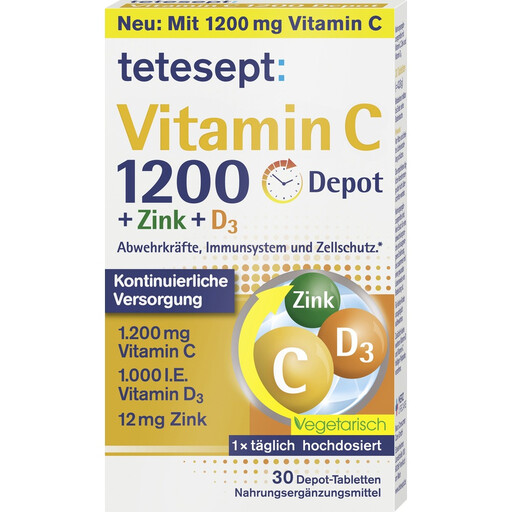
Why This Fits Their Persona: Suitable for users who want to specifically support their immune system, especially during the low-sunlight months. This product bundles three relevant nutrients into one tablet.
This product directly addresses the pitfall of viewing nutrients in isolation by offering a thoughtful combination of Vitamin C, Zinc, and D3 aimed at supporting the immune system.
The depot technology ensures a time-delayed release of nutrients over several hours, which supports a steady supply to the body.

Why This Fits Their Persona: Perfect for active people and older adults who prioritise bone and muscle function and need a convenient solution for on-the-go use or for those who have difficulty swallowing.
This product offers an innovative delivery format (micro-pellets) that bypasses the pitfall of impractical intake. It also specifically combines nutrients relevant for bones and muscles.
It can be taken directly on the tongue without water. The combination of calcium, magnesium, and vitamin D3 is tailored to maintain normal bone and muscle function.
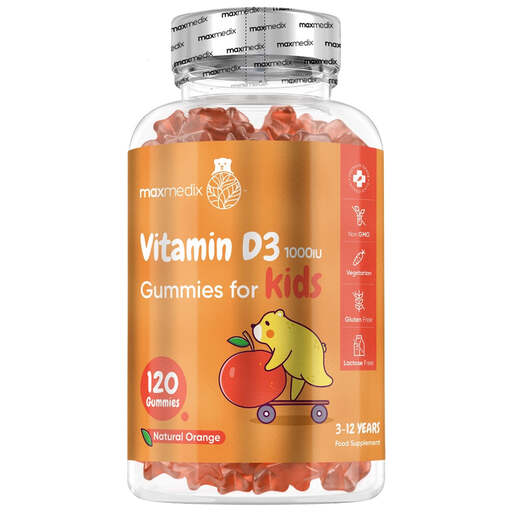
Why This Fits Their Persona: Specifically for parents seeking a safe and child-friendly vitamin D3 supply. The orange flavour and gummy format ensure high acceptance among children.
This product avoids the mistake of using high-dose adult supplements for children. The dosage of 1000 IU per gummy is clearly declared and tailored to the needs of children.
The vegetarian, pectin-based formula is free from gelatine. One pack contains 120 gummies, lasting for about four months.
We have compiled a complete, up-to-date list of products that fully meet these strict selection criteria and German safety regulations.
The dosage depends on individual needs. A maintenance dose is often around 800–1,000 IU (20–25 ?g) daily. Higher doses, for instance to replenish stores, should only be taken after medical consultation. Products labelled as Vitamin D3 depot are designed for weekly intake and contain correspondingly higher amounts.
In Central Europe, the body's own vitamin D production from sunlight is limited, especially from October to March. Supplementation can be beneficial during this time. Individuals who spend little time outdoors, older adults, or people with darker skin types may also have an increased need. However, an assessment of your personal status is advisable.
Yes, certain combinations are actually very beneficial. Vitamin D3 contributes to the normal absorption of calcium, which is why a Vitamin D3 and calcium combination is often recommended for bone health. Taking it together with vitamin K2, magnesium, or—for immune support—with vitamin C and zinc is also common.