
Lieferung heute & morgen

Qualitätsgarantie

Willkommens-Angebote freischalten: KOSTENLOSE Lieferung | Bis zu 80 % RABATT | Kostenlose 30-Tage-JoyPlus-Testphase
App herunterladen
Dark spots, acne scars and an uneven skin tone are among the most common reasons people look for Korean skincare. However, the term K-Beauty for pigmentation covers a wide range of products: serums, toners, creams, masks and complete routines.
As a Joybuy Product Recommendation Officer, I filter product information according to clear, verifiable criteria. What matters is not a striking marketing slogan, but the combination of ingredients, application, skin type and packaging.
Terms such as “Glow”, “Brightening” and “Radiance” often describe the skin’s cosmetic appearance. They do not automatically indicate that a product will eliminate every form of hyperpigmentation. A serum for dark spots can make your complexion look more cared for and even, but visible changes usually require a consistent routine.
A vitamin C serum containing pure ascorbic acid may be appealing to some people, but those with sensitive or irritated skin may need to introduce it carefully. Niacinamide, tranexamic acid and alpha-arbutin should not be chosen based on the percentage alone either. The full INCI list, texture and your personal tolerance are also important.
UV radiation can affect the appearance of dark spots. Brightening Korean skincare therefore does not replace sun protection used during the day. When using products containing vitamin C derivatives or pure ascorbic acid, your daytime routine should be planned particularly carefully. Sun protection must be selected separately and applied according to the manufacturer’s instructions.
Look for the specific name in the INCI list:
For dry skin, glycerin, panthenol and Sodium Hyaluronate, for example, may be useful ingredients. A lightweight gel or serum texture can feel more comfortable on combination skin than a rich cream. If you are looking for a face cream for hyperpigmentation, you should also check whether the formulation fits in with the rest of your skincare plan.
Vitamin C can be sensitive to light, air and heat. You should therefore check:
Cosmetic formulations can change. The information on the physical product is therefore decisive.
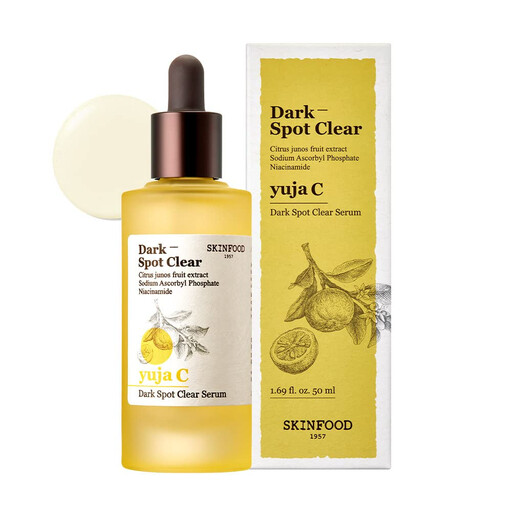
Why this product matches the profile: The lightweight serum texture can be easily incorporated into an existing morning or evening routine. According to the product description, the formulation contains Yuja extract, niacinamide and Sodium Ascorbyl Phosphate.
The ingredients and 50 ml volume are clearly stated. The product description also highlights the need for a patch test and possible sensitivities caused by essential oils.
Vitamin C derivative, glycerin, panthenol and Sodium Hyaluronate; alcohol-free and non-sticky formulation according to the product information.
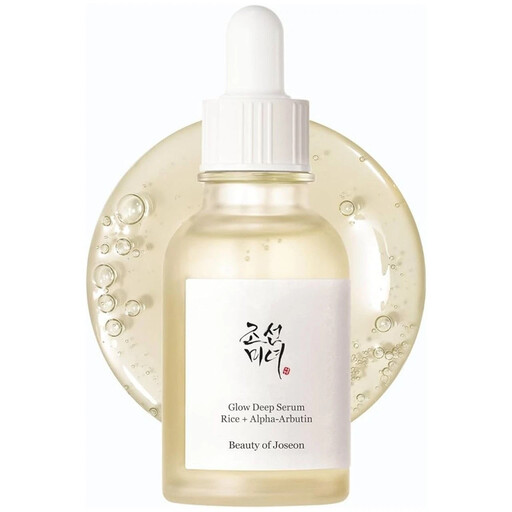
Why this product matches the profile: If you are looking for a fragrance-free, essential-oil-free formulation with clearly named key ingredients, this is a straightforward serum for daily skincare.
The formulation states 2 % alpha-arbutin and 68.6 % rice bran water. This means you can make your choice based on specific information rather than the word “Glow” alone.
2 % alpha-arbutin, niacinamide and panthenol; 60 ml contents and a fragrance-free, essential-oil-free formulation according to the product description.
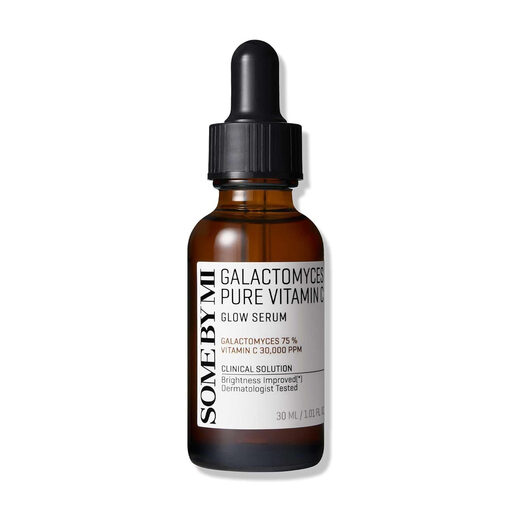
Why this product matches the profile: This serum is aimed at people looking for a vitamin C product with a stated concentration who are prepared to consider storage and gradual introduction.
The product description states that it contains 3 % pure ascorbic acid and recommends patch tests, storage away from light and gradual introduction.
3 % ascorbic acid, 75 % Galactomyces ferment filtrate and niacinamide; lightweight, watery serum texture according to the product information.
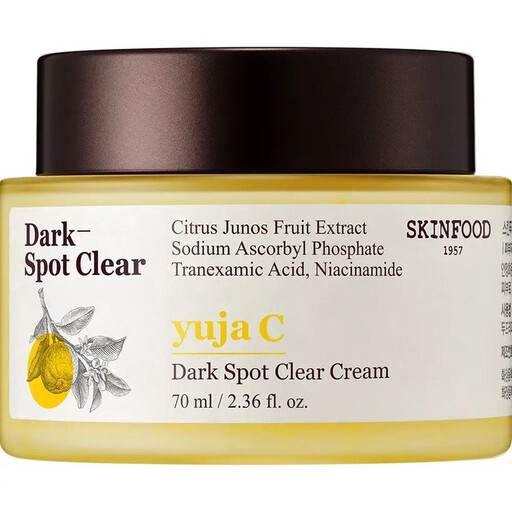
Why this product matches the profile: The cream combines moisturising and skincare ingredients in one step and, according to the product description, is designed for normal to dry skin.
Its focus on hydration means you are not looking only at a brightening promise. The description highlights the need for a patch test and daytime sun protection.
Niacinamide, stabilised vitamin C derivative, glycerin, panthenol and Sodium Hyaluronate; 70 ml contents and a non-greasy texture according to the product information.
A simple order of application helps you avoid unnecessary product combinations:
New products should initially be tested on a small area of skin. Stop using the product if redness, itching or a burning sensation occurs. If skin changes persist or you are unsure what to do, seeking dermatological advice may be helpful.
We have put together a complete, regularly updated list of products that fully meet these strict selection criteria and the safety regulations applicable in the EU.
This depends on your skin type, existing routine and personal tolerance. A gently formulated niacinamide or alpha-arbutin serum may be of interest to people who initially want to use a single brightening active ingredient. With vitamin C, you should distinguish between derivatives and pure ascorbic acid.
This depends on the volume, dosage and frequency of use. With 30 ml and two to three drops per application, a serum will generally last longer when used daily than when applied generously. The manufacturer’s instructions and the use-by or best-before date stated on the packaging are decisive.
In principle, combining products is a question of the formulation and your skin’s tolerance. For a controlled routine, it is advisable to introduce new products one at a time. Do not use several potentially irritating active ingredients at the same time, and add suitable sun protection to your morning routine.