
Lieferung heute & morgen

Qualitätsgarantie

Willkommens-Angebote freischalten: KOSTENLOSE Lieferung | Bis zu 80 % RABATT | Kostenlose 30-Tage-JoyPlus-Testphase
App herunterladen
Korean skincare and Korean make-up are known for their lightweight textures, a well-groomed complexion and a dewy finish. However, attractive packaging doesn’t automatically mean the product is right for you. If you’re looking to buy K-Beauty skincare and make-up, you should pay close attention to ingredients, skin type, colour selection and how to use them.
As a Joybuy Product Recommendation Officer, I filter market claims through verifiable criteria. Three common buying pitfalls crop up particularly often:
For dry skin, creams or lotions with glycerin, squalane, panthenol, ceramides or hyaluronic acid are often suitable. A hyaluronic acid cream can bind moisture; however, for a comfortable skin feel, you also need a final moisturising step that reduces moisture loss.
For sensitive skin, it’s worth checking the full INCI list. Fragrances, essential oils, alcohol or certain plant extracts can be problematic for some individuals. A face cream for sensitive skin should first be tested on a small area. If you experience redness, burning or itching, stop using it.
Niacinamide is found in many Korean formulations. A niacinamide cream can be part of your daily routine if your skin tolerates the ingredient well. Claims like “5% niacinamide” should always be cross-checked against the ingredients list on the packaging.
Ceramides, squalane and panthenol are often used when people want to strengthen their skin barrier and reduce feelings of tightness. Cosmetics are not a substitute for a dermatological diagnosis or treatment. If you have persistent skin issues, it’s wise to seek medical advice.
For products containing glycolic acid or other AHA acids, the usage instructions are especially important. Your skin may become more sensitive to sunlight, so a suitable sunscreen should be part of your daytime routine.
A cushion foundation can be quickly patted on and, depending on the product, built up from light to fuller coverage. The shade is crucial, though: “21C Cool Ivory” indicates a light, cool undertone, while “23N Sand” is more neutral and darker.
For a radiant make-up look, the skincare underneath shouldn’t be too rich, otherwise the foundation can slip. A serum foundation with medium, buildable coverage is better suited to those who want to switch between a natural and a more full-coverage finish.
With lip products, lip tints, glosses and lipsticks differ significantly. A lip tint often stains the lips more lightly and can be combined with shine. If you have sensitive lips, it’s worth checking for fragrances and declared allergens.
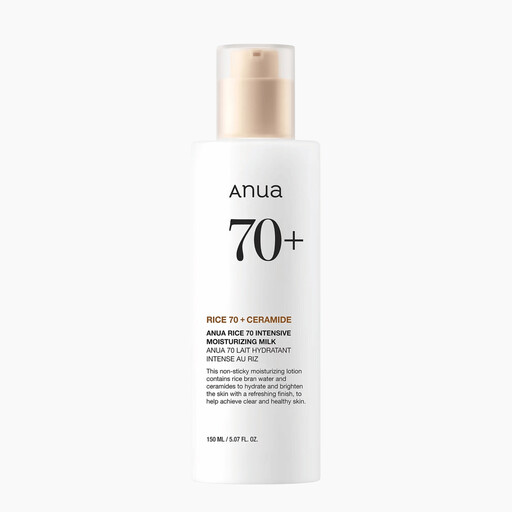
Why this product fits the profile: According to the product description, this milky lotion combines rice bran water, niacinamide, squalane, ectoin, hyaluronic acid and several ceramides. It can be used after toner and serum as a daily moisturising step.
The product description lists specific ingredients and a lightweight texture rather than just vague glow promises. For allergies and intolerances, the INCI on the packaging remains the definitive source.
150 ml content, multiple ceramides and a fast-absorbing, milky consistency according to the product details.
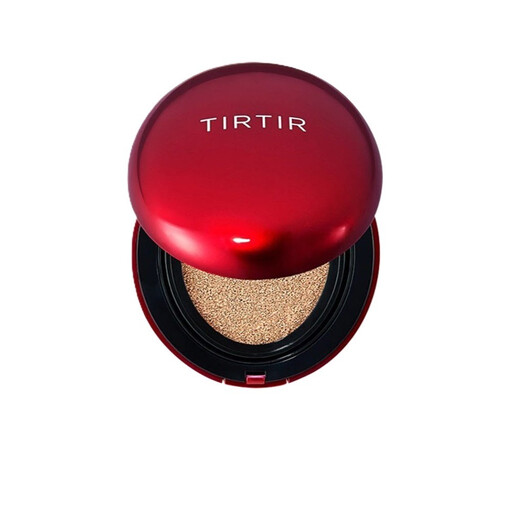
Why this product fits the profile: This cushion foundation is applied by patting with a Rubycell puff and, according to the product description, can be built up in thin layers. The shade 21C is designed for fair skin with a cool undertone.
The undertone is clearly stated, and the coverage can be controlled through the application technique. Claims like “up to 72 hours” should be understood as a brand statement, not a general wear guarantee.
18 g format, pattable application and, according to the product description, a radiant finish with buildable coverage.
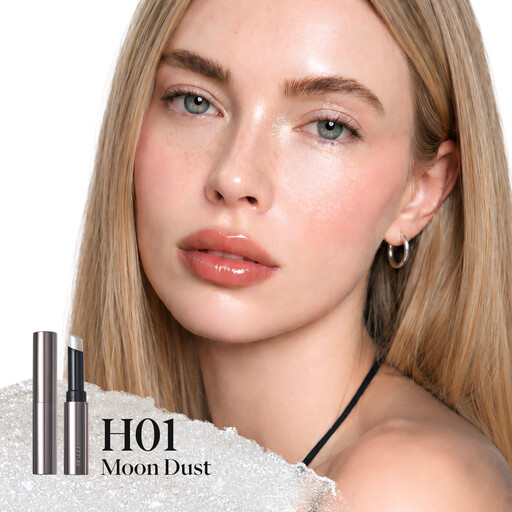
Why this product fits the profile: This highlighter stick is ideal for adding a targeted shimmer to eyelids or lips. It’s applied directly from the stick and can then be blended with a finger or brush.
The product’s use is clearly defined: it’s a shimmer accent, not a full complexion product. Users should avoid direct contact with the eyes.
Twist-up mechanism, direct application and, according to the product description, usable on eyes and lips.
We’ve put together a full, regularly updated list of products that meet these strict selection criteria and comply with EU safety regulations.
A simple routine consists of cleanser, toner or essence, serum, moisturiser and, during the day, sunscreen. Don’t introduce several active products at the same time. For sensitive skin, a shorter routine is often easier to manage.
For dry skin, formulations with glycerin, squalane, panthenol, ceramides or hyaluronic acid are worth considering. What matters most is how your skin feels and tolerates it. If you experience significant tightness, a lotion-like or creamier texture may be more suitable than a very lightweight gel.
The printed expiry date and the PAO symbol, for example “12M”, are what you should follow. Products should be stored closed, in a dry place away from direct sunlight. If the smell, colour or consistency changes, stop using the product.