
Lieferung heute & morgen

Qualitätsgarantie

Willkommens-Angebote freischalten: KOSTENLOSE Lieferung | Bis zu 80 % RABATT | Kostenlose 30-Tage-JoyPlus-Testphase
App herunterladen
A coffee machine with a grinder combines two steps: the beans are ground just before brewing, then used to make filter coffee, espresso or a milk-based drink. This saves space and can simplify your coffee-making routine. However, not every model is right for every household.
Many buyers initially focus on a high pressure rating, a large touchscreen or an extensive drinks menu. On their own, these features say little about ease of use, cleaning or everyday practicality. What matters is whether the grinder, brewing system, milk system and capacity suit the way you plan to use the machine.
Figures such as 15 or 20 bar describe the pump’s maximum pressure. The actual extraction also depends on grind size, dose, water temperature and brewing time. An espresso machine with a grinder that offers more pressure settings is therefore not automatically a better choice than a model with a lower nominal pressure.
A bean-to-cup coffee machine with a milk frother can make a cappuccino or latte macchiato at the touch of a button. However, milk tubes, containers and spouts need regular cleaning afterwards. If you mainly drink black coffee, you may not need a complex milk system.
For several people or a small office, a 1.5-litre tank and a small bean hopper may mean frequent refills. Before buying, check the machine’s dimensions, the position of the tank and the capacities. The clearance beneath wall cabinets also matters if the water tank lifts out from the top.
A stainless steel conical burr grinder is fitted in many machines. The number of grind settings, and whether the grinder can be removed for cleaning, matter more than the material alone. A wider adjustment range makes it easier to cater for light or dark roasts, as well as filter coffee and espresso.
Examples from our selection:
More settings do not automatically mean better results. Beginners may find a straightforward range easier to understand. For home baristas, dose control, a tamper, the portafilter and finer adjustments are particularly important.
A bean-to-cup coffee machine handles grinding, dosing and brewing, and suitable models can also froth milk. It’s a good choice for homes, offices and hospitality settings where you want to prepare several drinks quickly with minimal hands-on effort.
A portafilter machine with a grinder gives you more control over the dose, tamping and extraction time. However, it takes practice, the portafilter needs cleaning and frothing milk requires a separate step. The De’Longhi La Specialista Arte, for example, comes with a tamper, dosing guide, tamping mat and milk jug.
When choosing a coffee machine with a milk system, look for removable parts, automatic rinsing programmes and easy access to the milk tube. A separate milk container is convenient, but it needs to be emptied and cleaned after use.
A steam wand gives you greater control over the consistency of the milk foam, but requires manual effort. Automatic systems take less work, but give you less direct control. Whatever the system, hot water, steam and spouts can cause scalds. Follow the instruction manual and the manufacturer’s safety advice.
The following specifications are particularly useful for German households:
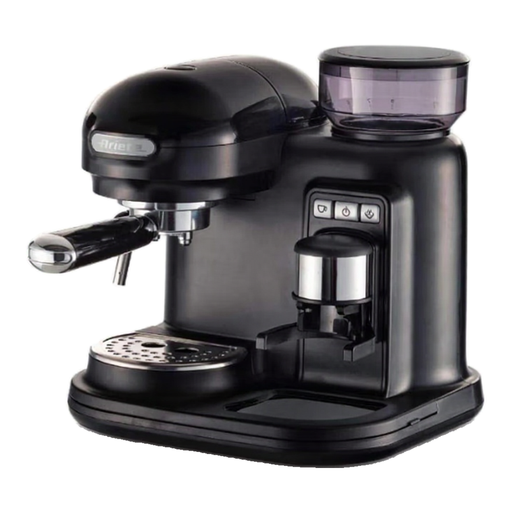
Why it suits this user type: This compact espresso machine has an integrated grinder, is designed to make one or two cups and includes a manual milk-frothing function.
The product description gives specific serving quantities and details a 250-g bean hopper and automatic shut-off, rather than relying solely on a promotional pressure figure.
15-bar pump, filters for one or two servings and an integrated steam wand.
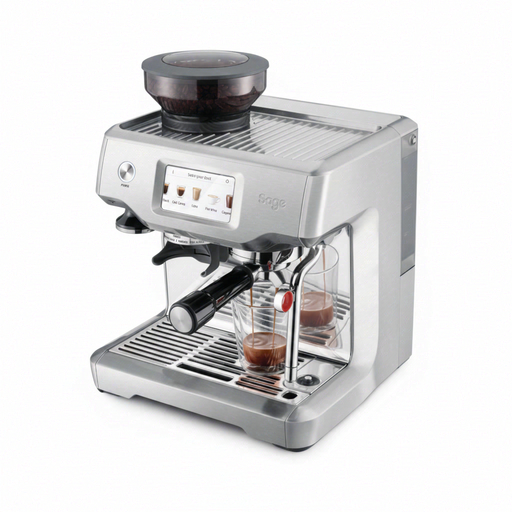
Why it suits this user type: This portafilter machine combines an integrated conical grinder with a touchscreen, programmable recipes and an automatic microfoam function.
You can adjust coffee strength, milk temperature and milk texture directly, and save up to eight personal settings.
2-litre water tank, 250-g bean hopper and ThermoJet heating system, according to the product specifications.
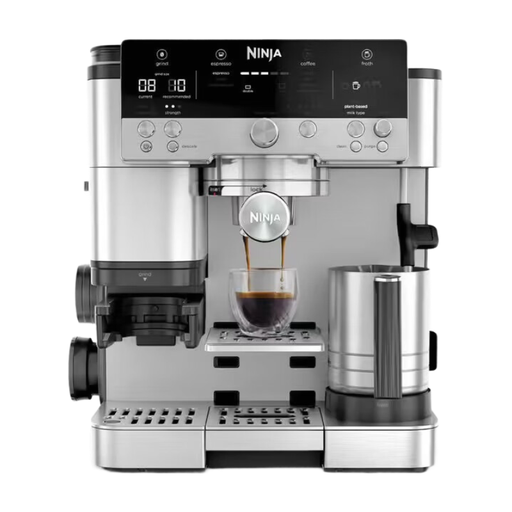
Why it suits this user type: This machine combines espresso, filter coffee and cold brew, making it a good fit for households with different tastes in coffee.
The product specifications highlight 25 grind settings, four frothing options and integrated weighing, rather than focusing solely on a long drinks list.
Integrated conical grinder, 1.5-litre tank and frothing options for hot and cold milk.
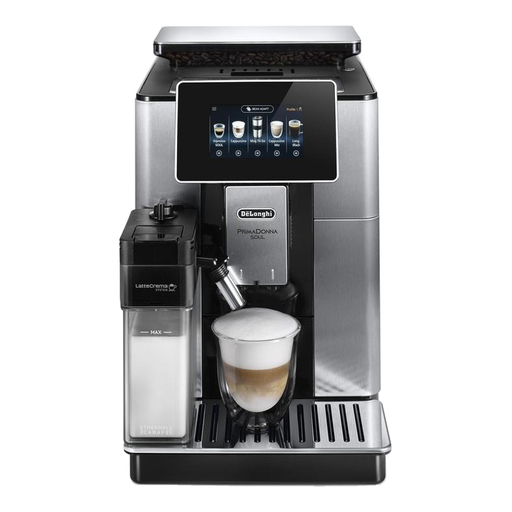
Why it suits this user type: This bean-to-cup machine offers 21 pre-set drinks, five user profiles, a 500-g bean hopper and app control.
Its generous capacity means fewer refills. The brew unit, water tank and milk container are also accessible for maintenance.
2.2-litre water tank, 4.3-inch touchscreen and automatic milk system, according to the manufacturer.
We’ve put together a complete, regularly updated list of products that meet these strict selection criteria and fully comply with the safety regulations in force in the EU.
Running costs include more than just beans and electricity. Depending on the machine, you may also need to budget for water filters, cleaning tablets and descaler. Milk systems add to the daily cleaning routine. The cost per cup also depends on the quality of the beans and the dose you select.
To help your machine last longer:
Yes, provided it’s a filter coffee machine with an integrated grinder or a combination machine with the relevant function. Many espresso bean-to-cup machines, on the other hand, are designed primarily for shorter coffee drinks. Before buying, check that the product description specifically mentions a filter coffee or long coffee function.
There’s no reliable single lifespan that applies to every model. It depends on how much the machine is used, water hardness, cleaning and the availability of spare parts. Regular descaling and grinder cleaning can help prevent faults caused by limescale or coffee residue.
Power consumption depends on the machine’s wattage, heating time, standby mode and the number of drinks made. A higher wattage mainly indicates potential heating power; it doesn’t automatically mean higher costs per cup. Automatic shut-off and an energy-saving mode can be useful features, if they’re available on the model you choose.