
Lieferung heute & morgen

Qualitätsgarantie

Willkommens-Angebote freischalten: KOSTENLOSE Lieferung | Bis zu 80 % RABATT | Kostenlose 30-Tage-JoyPlus-Testphase
App herunterladen
A bottle of sweet soy sauce Kecap Manis can define the flavour of Nasi Goreng, Satay or a stir-fry. At the same time, products vary considerably in sweetness, salt content, consistency, origin and pack size. If you focus only on terms such as “authentic”, “Premium” or “Gold Label”, you may end up buying a sauce that does not suit the dish you have in mind.
This guide from the Joybuy Product Recommendation Officer explains what households, home cooks, foodies and catering businesses should look for when buying Ketjap Manis.
Kecap Manis, also known as Ketjap Manis, usually refers to a thick, sweet Indonesian-style soy sauce. It is often made with sugar or syrup and has a dark colour and a more viscous consistency.
Chinese sweet soy sauces may look similar, but they do not necessarily taste the same. Some varieties focus more on colour, seasoning or enhancing braised dishes. Light soy sauces containing sweeteners are not automatically the same as classic Indonesian sweet soy sauce.
Labels such as “traditional”, “authentic” or “Gold Label” reveal little about the actual recipe on their own. You should therefore check:
In the EU, the order of ingredients generally indicates the proportion in which they are used. For allergens such as soya, wheat or peanuts, the labelling on the specific product is decisive.
A bulk pack can make sense for a catering company or food-service business. In a small household, however, an opened bottle may sit unused for a long time. So do not look only at the price per bottle. Also consider:
For sweet soy sauce for marinades or as a glaze, a thick, syrupy consistency is practical because it clings better to meat, tofu or vegetables. A soy sauce for dipping can also benefit from a viscous texture. A thinner sauce, on the other hand, is easier to distribute through a wok dish or marinade.
Indonesian sweet soy sauce typically combines a sweet flavour, salty umami and a dark colour. However, the intensity can vary considerably. Products with a high sugar content may have a dessert-like sweetness, while others taste saltier or more strongly seasoned.
Many products contain soya and wheat or gluten. Anyone with allergies or intolerances should check the allergen information on the product packaging. For products containing additives, the full ingredients list is also more important than the brand name.
For example, according to the product information, A-Merk Sweet Soy Sauce contains soy sauce made from water, soya beans, wheat flour and salt, as well as sugar, water, salt and spices. It lists 35 grams of sugar and 8 grams of salt per 100 millilitres. This shows why sweet soy sauce should be used sparingly as a seasoning.
For occasional cooking, 250 to 500 millilitres is often sufficient. If you regularly use sweet soy sauce for Nasi Goreng, stir-fries, marinades and dips, you could choose a bottle between 600 and 1,000 millilitres. Multi-kilogram containers are available for restaurants and catering businesses.
Your intended use should be the main consideration when choosing:
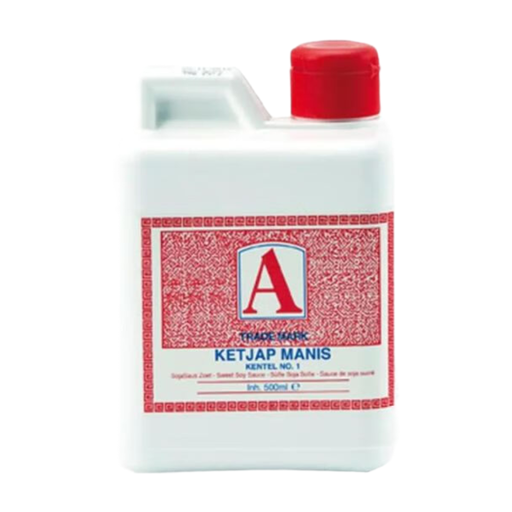
Why this product suits this profile: The 500-ml bottle offers a manageable quantity for households trying Indonesian dishes without regularly using bulk packs.
The product information states that it originates from Indonesia, specifically the Java region, and identifies soya and wheat allergens. This makes it easier to assess the sauce than relying on a general marketing term.
Thick consistency; according to the product information, suitable for marinating, frying, dipping and glazing.
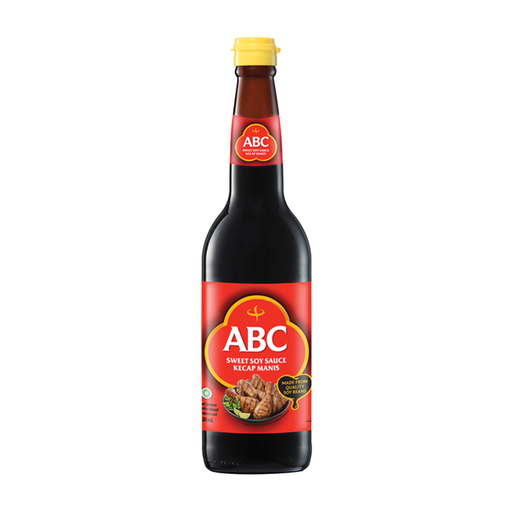
Why this product suits this profile: The 620-ml size is suitable for regular cooking without requiring you to switch straight to a food-service container.
The ingredients are listed as sugar, soy sauce extract, water and salt. Allergens such as soya, wheat and sulphites should be checked against the label before purchase.
Indonesian-style sauce; according to the product description, intended for marinades, stir-fries, grilled dishes and dips.
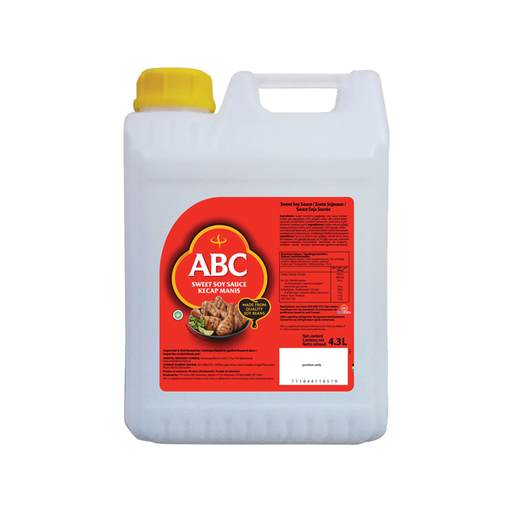
Why this product suits this profile: The 6-kg container is designed for high usage in restaurant kitchens, catering companies or large households.
The large quantity only makes sense if usage is predictable. This helps frequent users avoid several small bottles and unnecessary repeat purchases.
Large fill quantity; according to the product information, suitable for Satay marinades, stir-fries, grilled dishes and dips.
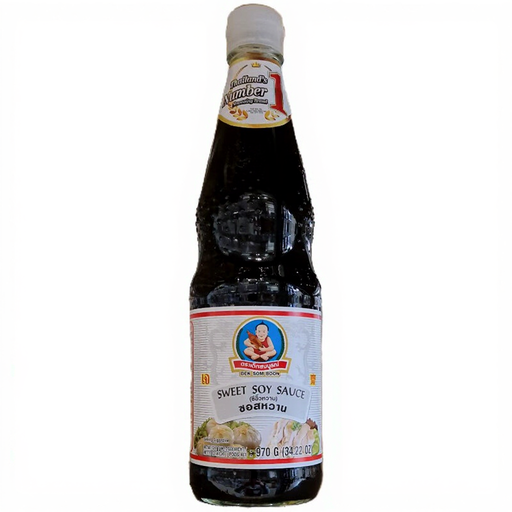
Why this product suits this profile: The larger household bottle is aimed at people who often prepare Asian dishes, dumplings or rice dishes.
Its intended use as a dip, marinade and seasoning sauce makes it easier to choose for the right purpose. Before buying, compare the sweetness and ingredients with your recipe.
970-g bottle; according to the product description, thick and suitable for dumplings, Zongzi, stir-fries and marinades.
We have put together a complete, regularly updated list of products that fully meet these strict selection criteria and the safety regulations applicable in the EU.
Before opening, most products should be stored in a cool, dry place away from direct sunlight. After opening, several of the products mentioned recommend refrigeration to maintain product quality. Seal the bottle after every use and observe the best-before date on the packaging.
When cooking, Kecap Manis should not be added too early or in excessive quantities to a very hot pan. Its high sugar content can caramelise or stick quickly. For a stir-fry, it is often enough to stir the sauce in towards the end of the cooking time. In marinades, it can be combined with lime juice, garlic, ginger or neutral oil.
Kecap Manis is often used for Nasi Goreng, Bami Goreng, Satay marinades, fried vegetables, meat, tofu and as a dip. The thick sauce is also suitable as a glaze for grilled dishes. The amount required depends on the sugar and salt content of the product.
Ketjap Manis is an Indonesian form of sweet soy sauce. The names Kecap Manis and Ketjap Manis are sometimes used interchangeably in shops. However, products can still differ in recipe, sweetness, salt content, consistency and origin. The ingredients list therefore remains crucial.
There is no single shelf-life that applies to every brand. The information on the label is the deciding factor. Many products should be refrigerated after opening and used within the stated period. Changes in smell, colour, flavour or consistency are reasons not to use the sauce any further.