Which cooling solution is right for you?

Guests with cheese that needs to be kept chilled

If you’re storing cheese in a holiday home, follow the instructions on the packaging and check that the appliance can maintain the required conditions where it will be placed. The Verbraucherzentrale recommends following the storage instructions for each product.

Holiday-let owners with changing guests

For regular use, what matters is the usable interior space, the energy consumption of the specific model and its noise level. The Verbraucherzentrale recommends using energy consumption figures and the EU energy label as a guide when comparing fridges.

Travellers who need portable cooling

If you’re taking cheese to your holiday home, plan how to keep it cool during the journey too, and check the actual internal temperature once you arrive. The Federal Centre for Nutrition recommends using a cool bag for perishable dairy products on warm days.

What should you look for when buying?

Compact household fridge

A good fit if: you need to keep cheese portions and other food chilled in your holiday home for several days, with a temperature you can control.

Things to weigh up: Dimensions, interior layout, noise level and annual energy consumption vary by model.

Drinks fridge

A good fit if: the shelves and interior suit your packaged cheese portions, and the storage requirements can be met where the fridge will be placed.

Things to weigh up: Shelves designed for drinks or a glass door don’t automatically mean the containers will fit or the temperature will be suitable for cheese.

Portable cool box

A good fit if: portability and access to a power supply are important, and the internal temperature it can reach is suitable for your cheese.

Things to weigh up: Dometic states that its thermoelectric DTE26 cools to up to 22 °C below the ambient temperature. This doesn’t guarantee a particular storage temperature.

What matters What to look for when buying Who will find this especially important?
Reliable temperature Check the storage instructions on the cheese packaging and monitor the internal temperature where you plan to place the appliance. If I’m storing cheese portions for several days, I want to follow the storage instructions and know the actual internal temperature. Around 40% of consumers put reliable cooling first.
Usable space Measure your containers and the space available; check the shelves and interior layout of the specific model. If I need to fit several portion containers inside, I want to be able to store them on practical shelves. Around 23% of consumers prioritise storage space for their portions.
Energy consumption and noise Compare the model’s figures in kWh/year and dB(A), and consider how long you’ll actually use it. If the appliance is near a living or sleeping area, I pay attention to its noise level and energy consumption while running. Around 22% of consumers pay particular attention to running costs and noise.
Transport and power supply Check the connections on the specific model and the internal temperature it can reach in the conditions you expect. If I’m taking cheese to a holiday home, a portable solution with a suitable connection is important. Around 15% of consumers prioritise portability.

Common misconceptions about keeping cheese cool

  • Assuming a temperature difference guarantees a particular cheese temperature

    A figure in degrees below the ambient temperature doesn’t tell you the exact internal temperature. Follow the storage instructions for the specific cheese.

    Check the temperature inside the appliance when it’s loaded and operating in the conditions you expect, rather than relying solely on an advertised figure or the thermostat setting.

  • Confusing the stated capacity with practical storage space

    A separate chiller compartment and the shelf layout can reduce the space available for cheese containers.

    Measure your containers and the space where the appliance will go, then check the interior layout of the exact model.

  • Comparing only the purchase price

    The model’s annual energy consumption and noise level matter too, especially if the appliance is near living areas.

    Compare the figures in kWh/year and dB(A). An annual energy consumption figure doesn’t automatically reflect the amount used during a short holiday.

Relevant brands and example models

Severin

Compact food fridges. The KB 8879 is a model with 45 l of usable capacity and a separate chiller compartment.

  • Severin states that the KB 8879 has a reversible door, annual energy consumption of 80 kWh and a noise level of 39 dB(A).
  • The 5-litre chiller compartment reduces the space available for other items. The manufacturer says it can be used, among other things, for short-term cheese storage. These specifications apply to this model.

Comfee

Compact tabletop fridges. According to the manufacturer, the RCD50WH2 (E) offers 43 l of capacity and a manually adjustable thermostat.

  • Comfee lists adjustable feet and a reversible door for this model.
  • The manufacturer advises against storing food in the additional fast-cooling compartment for more than two hours, as it may freeze. Check whether this compartment is suitable for your cheese.

Klarstein

Compact drinks fridges may be suitable if the shelves and temperature work for your cheese.

  • In its test of 14 mini fridges, F.A.Z. Kaufkompass ranked the Beersafe M first and highlighted its compressor cooling.
  • This review relates to the specific model and doesn’t guarantee a particular cheese temperature at every location.

Dometic

Portable electric cool boxes. According to the manufacturer, the thermoelectric DTE26 runs on 12 V or 230 V and has a 26 l capacity.

  • Dometic states that the DTE26 cools to up to 22 °C below the ambient temperature.
  • This figure describes a temperature difference, not a fixed internal temperature. So check that it will actually be suitable for your cheese in the conditions at your destination.

Fridges for cheese portions in your holiday home

These models are compact household fridges designed for storing food. What matters is whether there’s enough usable space for your containers and what the actual internal temperature will be where the fridge is placed.
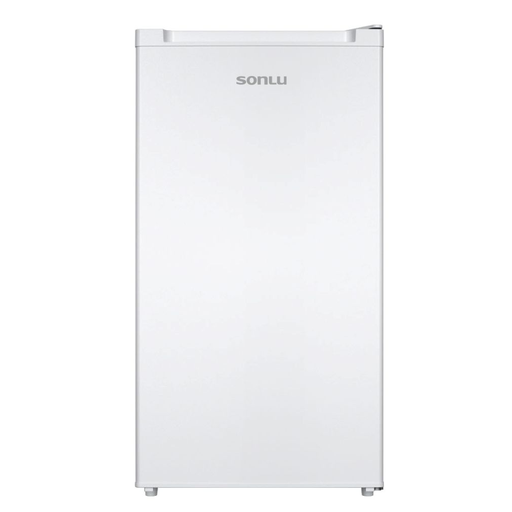
SONLU CS-100L single-door fridge, 82 l, energy class E

SONLU CS-100L single-door fridge

This fridge could be an option for storing several portions of cheese. Check that the interior and temperature controls suit your containers and the storage instructions.

82 l capacity; energy class E.

View at Joybuy
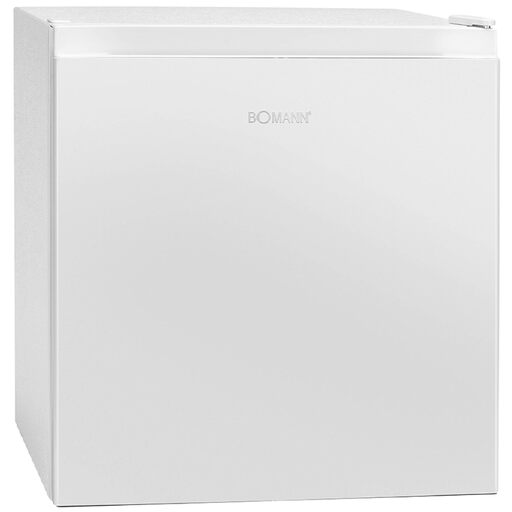
Bomann KB 7245 mini fridge, 45 l, with 4-litre chiller compartment

Bomann KB 7245 mini fridge

The adjustable temperature and reversible door may make it easier to position. Check that the shelves suit your cheese containers.

45 l net capacity; separate 4-litre chiller compartment; adjustable temperature; reversible door.

View at Joybuy
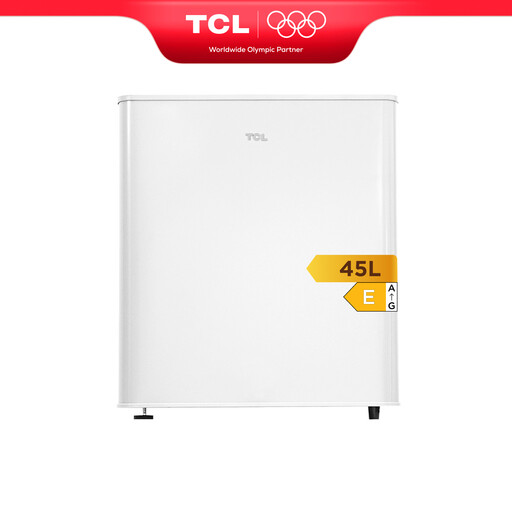
TCL RF60DWE0 tabletop fridge, 45 l, with separate freezer compartment

TCL RF60DWE0 tabletop fridge

A compact tabletop fridge could be a good fit if your cheese containers fit on the shelves and the appliance can meet the storage requirements.

45 l; separate freezer compartment.

View at Joybuy

TCL RF120DWE0 fridge, 90 l, with chiller compartment

TCL RF120DWE0 fridge with chiller compartment

The larger interior may be useful for storing several portions. Before buying, check that the layout of the specific appliance suits your containers.

90 l; separate chiller compartment. The compartment is rated at −5 °C to +5 °C and may not be suitable for storing cheese portions.

View at Joybuy
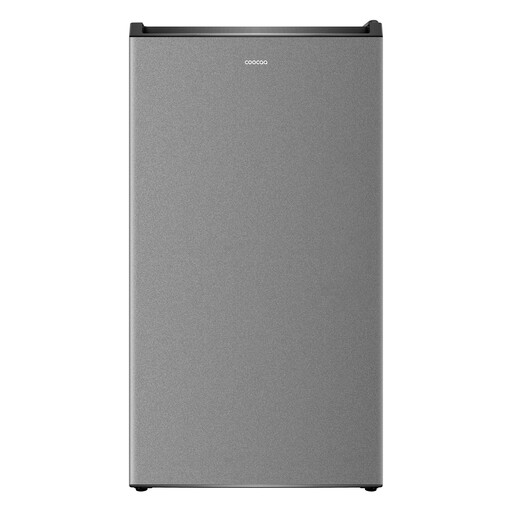
Coocaa SRS-120DTE single-door fridge, 83 l, energy class E

Coocaa SRS-120DTE single-door fridge

This model could be suitable for cheese portions if its interior layout and actual temperature meet the storage requirements.

83 l; energy class E.

View at Joybuy

Frequently asked questions

Where should I store cheese, and is a general temperature setting enough?

Start by following the storage instructions for the specific cheese. The Verbraucherzentrale recommends a general temperature of around 8 °C for cheese on the top shelf of the fridge and advises against wrapping it airtight. The thermostat setting alone won’t tell you the actual temperature of your portions.

Do I need to keep cheese cool on the journey to my holiday home?

If your cheese needs to be kept chilled, make sure it stays cool during the journey and put it back in the fridge promptly. The Federal Centre for Nutrition recommends using a cool bag for perishable dairy products on warm days.

How do I compare the appliances’ energy consumption?

Compare the annual energy consumption for each model on its energy label, in kWh/year. To estimate how much energy it will use during your stay, also consider how long you’ll actually use it. An annual figure doesn’t automatically reflect the energy used over a short holiday.

What are my rights if the fridge is faulty?

According to Your Europe, if you buy from a business seller in the EU, you’re entitled to a statutory guarantee of at least two years from the date you receive the goods. This is separate from any additional manufacturer’s guarantee. If there’s a fault, contact the seller first.

What should I do with an old fridge in Germany?

Old electrical appliances must be disposed of separately. The German Federal Ministry for the Environment points out that online retailers also have take-back obligations. When you buy a new appliance, check exactly what return or collection options are available.