
Lieferung heute & morgen

Qualitätsgarantie

Willkommens-Angebote freischalten: KOSTENLOSE Lieferung | Bis zu 80 % RABATT | Kostenlose 30-Tage-JoyPlus-Testphase
App herunterladen
Dry, coloured or heat-stressed hair needs care that suits the actual condition of its lengths. A keratin hair mask can help make the hair surface feel smoother and improve manageability. However, it cannot replace a haircut for severely split ends or permanently reverse structural damage.
When choosing a product, the combination of formulation, application and individual hair type matters more than an attention-grabbing marketing promise.
Keratin is a protein. In cosmetics, it is often used as hydrolysed keratin, meaning it has been broken down into smaller components. On the ingredients list, it may appear as “Hydrolyzed Keratin”. Some products use plant-based proteins or amino acids instead.
What matters, therefore, is whether the product also contains nourishing ingredients. Moisturisers such as glycerin or panthenol, plant oils and ingredients that improve manageability can complement a keratin hair treatment effectively. A high keratin content is not automatically suitable for every hair type.
A rinse-out repair hair mask is removed after the processing time. It is not automatically a heat protectant for your hair. If you regularly use a hairdryer or straighteners, you should also look for a product specifically labelled as a heat protectant or leave-in keratin treatment.
Clear application instructions are important. If protection up to a certain temperature is stated, this only applies to the specific product and its intended use. Hair must be completely dry when using straighteners.
An intensive hair mask for damaged hair is not necessarily intended for daily use. On fine hair, rich oils, film-forming agents or proteins can make the hair feel heavier. For dry, thick or severely stressed hair, richer care may be better suited to its needs.
Pay attention to the processing time, frequency of use and rinsing instructions. These details can help you avoid unsuitable purchases and product build-up.
For brittle or dry hair, formulations containing moisturisers and nourishing lipids are worth considering. For breakage-prone hair, hydrolysed proteins, keratin or amino acids can complement your hair-care routine. For coloured hair, your routine should be as gentle as possible and not focus solely on smoothing.
Check the current ingredients list on the packaging, as formulations can change. Claims such as “up to 20 times stronger” should be understood as a brand-specific comparison and are not a universal result for all hair types.
A classic keratin hair mask is applied to damp hair after washing, left on for a few minutes and then rinsed out. This is suitable for a weekly routine or, depending on the product, once or twice a week.
A leave-in product remains in the hair. It can improve manageability and reduce frizz, but should be used sparingly through the lengths and ends. It is generally not intended for the roots. If you are looking for anti-frizz hair care, also check whether the product is specifically approved for use on dry or towel-dried hair.
If you regularly use styling tools, a designated heat protectant and controlled temperature are important parts of a sensible routine. Lower settings are often more appropriate than the maximum temperature for fine, bleached or sensitive hair. Straighteners should only be used on completely dry hair.
Cosmetic products and electrical appliances are subject to different requirements. For cosmetics, the information specified under the EU Cosmetics Regulation (EC) No 1223/2009 is relevant, among other things. When buying styling tools, consumers should look out for safety features, voltage information and warning notices.
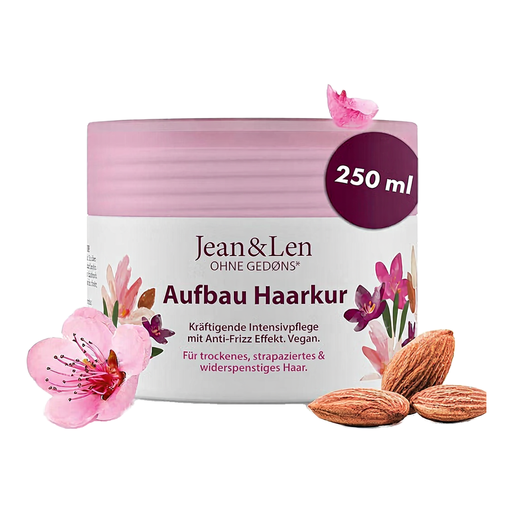
Why this product suits this profile: This rinse-out mask is designed for a manageable weekly routine and is rinsed out after 3–5 minutes. According to the product description, it contains plant-based keratin, almond oil, panthenol and sunflower oil, among other ingredients.
The clear processing and rinsing routine helps prevent a rich product from accidentally being used as a daily leave-in.
250 ml capacity, application to damp hair and a formulation without parabens, silicones, microplastics or mineral oils, according to the product description.
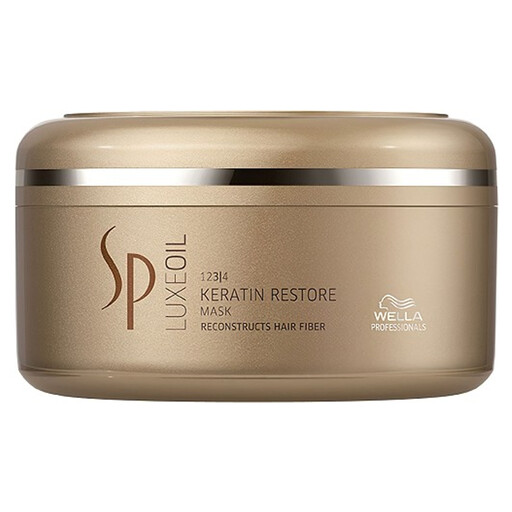
Why this product suits this profile: According to the ingredients list, this mask combines hydrolysed keratin with panthenol as well as argan, jojoba, almond and camellia oils. The stated processing time is 5–10 minutes.
The specific recommendation to use it once or twice a week clearly distinguishes it from a daily treatment and takes its rich composition into account.
Rinse-out mask format, 150 ml capacity and several plant oils in the stated ingredients list.
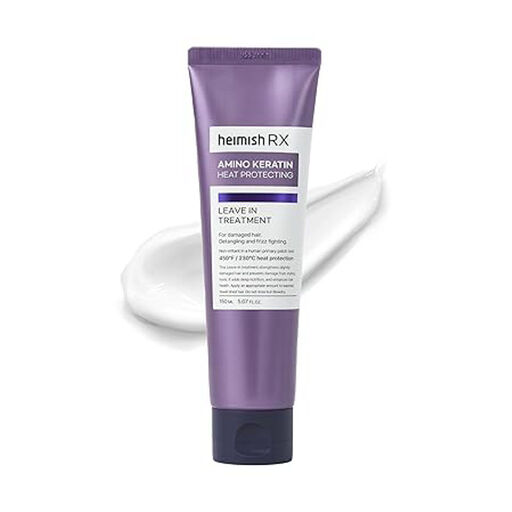
Why this product suits this profile: According to the product description, this leave-in cream is intended for towel-dried hair and provides stated heat protection up to 230 °C. It contains keratin and a complex of 17 amino acids.
Its stated heat-protection function clearly distinguishes leave-in use from a rinse-out mask. However, the styling tool’s temperature should still be adjusted to suit your hair type.
150 ml capacity, no rinsing required and dual use as a treatment for damp hair or a serum for dry lengths, according to the product information.
Keratin hair care should not dictate your entire routine. A gentle shampoo, regular trimming of the ends and a suitable heat protectant can be just as important. If you experience severe hair breakage or changes to your scalp, professional advice is recommended.
We have put together a complete, regularly updated list of products that fully meet these strict selection criteria and the safety regulations applicable in the EU.
This depends on the formulation and the condition of your hair. Many rinse-out products are intended for use once or twice a week. If you have fine hair that becomes weighed down easily, less frequent use may be advisable. The instructions on the packaging should always take priority.
Cosmetic products can make the hair surface appear smoother and improve manageability. However, already split ends will not permanently grow back together as a result. A haircut removes the split sections, while suitable care can then help support the hair.
Yes, if you regularly use a hairdryer, curling wand or straighteners. A rinse-out mask is not automatically a heat-protection product. For this purpose, choose a leave-in product with an explicitly stated heat-protection function and use it according to the instructions.