
Lieferung heute & morgen

Qualitätsgarantie

Willkommens-Angebote freischalten: KOSTENLOSE Lieferung | Bis zu 80 % RABATT | Kostenlose 30-Tage-JoyPlus-Testphase
App herunterladen
A kettle is part of the everyday kitchen equipment in many British households. Even so, choosing the right one often leads to a disappointing purchase: one appliance is unnecessarily large for a single person, while another may have plenty of programmes but be difficult to clean. Descriptions such as “fast” or “compact” are also of limited use without the relevant technical context.
A 1.5-litre or 1.7-litre kettle is well suited to families and making several cups at once. For single people, offices or small kitchens, however, a 1-litre kettle may be more practical. If you regularly heat just one cup, look for a clearly marked minimum fill level. An unnecessarily large appliance takes up more space and can be awkward to use with small amounts of water.
Higher power can speed up heating, but the actual time also depends on the amount of water, its starting temperature and the design of the heating element. An electric kettle with 2,200 watts is designed for larger quantities, while a mini kettle with 300 to 800 watts is often sufficient for individual needs.
A glass kettle lets you see the water level, but it requires regular descaling and careful handling. A stainless steel kettle is usually less transparent, but may offer a robust outer construction. A tea maker or multifunction kettle also includes filters, lids and heating surfaces that need to be cleaned.
Use your typical requirements as a guide:
Do not exceed the maximum fill level. The minimum marking is equally important, as operating the kettle without enough water can put strain on the heating surface.
A glass kettle should specify heat-resistant borosilicate glass. This material allows you to monitor the water level, but is more sensitive to impacts. For a stainless steel kettle, details about the interior and the type of steel used are helpful. The product data available here, for example, mentions 304 stainless steel or 18/10 stainless steel.
Also look for a removable limescale filter. This catches limescale particles when you pour and can be rinsed separately. However, it does not replace regular descaling, particularly in areas with hard tap water.
A kettle with automatic shut-off stops heating as soon as the water reaches boiling point. A kettle with boil-dry protection should also prevent the appliance from continuing to heat when empty or when the water level is too low. Other useful features include:
A keep-warm function is particularly useful on tea makers and multifunction appliances. Check the specific duration and temperature control. “Keep warm” does not automatically mean that a freely selectable temperature is available.
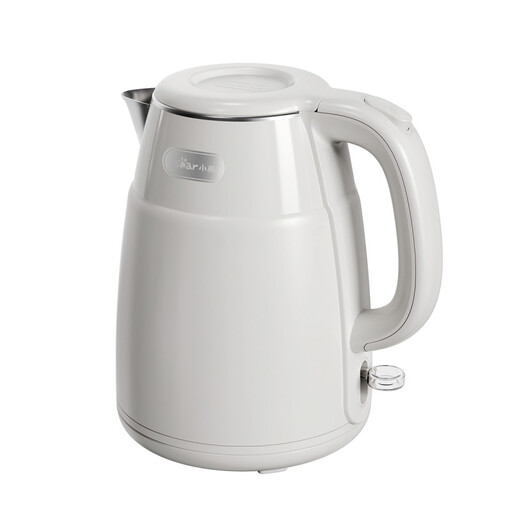
Why this product suits this profile: This model combines a 1.5-litre capacity with 1,500 to 1,750 watts and simple push-button operation. It is suitable for households that regularly want to heat several cups.
Automatic shut-off and boil-dry protection are explicitly specified. This puts safety features first, rather than purely decorative details.
1.5-litre container, stainless steel interior, cable winding system, plus automatic shut-off with overheat protection.
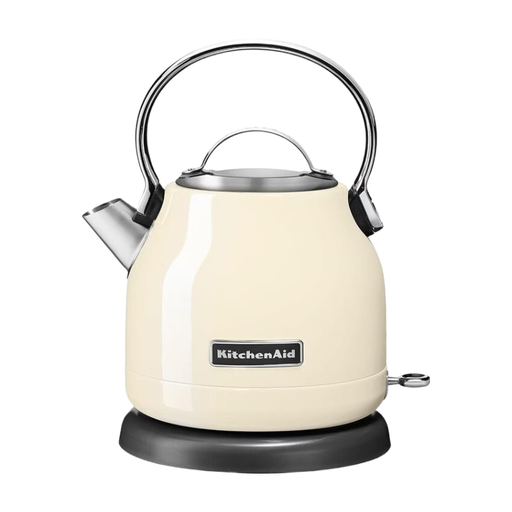
Why this product suits this profile: The 1.25-litre stainless steel container is aimed at users who value straightforward operation, a large filling opening and a drip-free spout.
The removable limescale filter supports regular cleaning. Automatic shut-off and the concealed heating surface are useful features for everyday operation.
2,200 watts, 360-degree base, removable limescale filter, stainless steel construction and internal water-level markings.
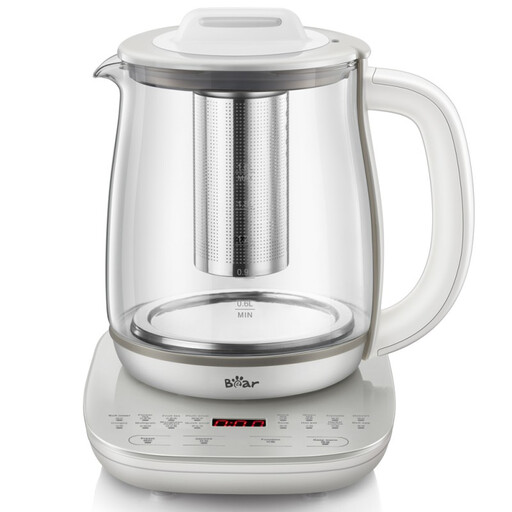
Why this product suits this profile: With 16 preset programmes, a tea strainer and a keep-warm function, this appliance is designed for tea, soups and other preparations.
The programmes are clearly named and selected using a rotary control. This makes it easier to check before buying whether the functions match your own cooking and tea-making needs.
1.8-litre capacity, 16 programmes, borosilicate glass, 304 stainless steel interior and 360-degree base.
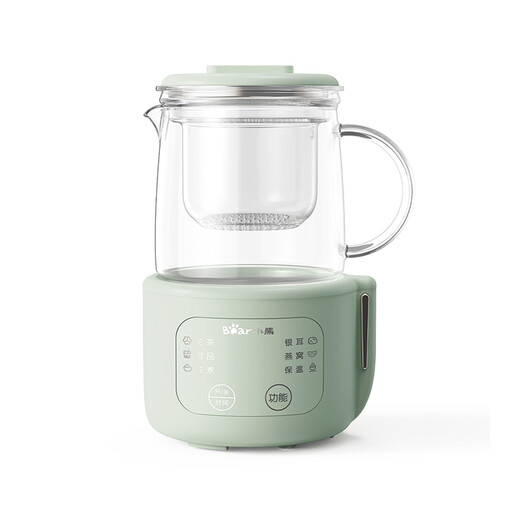
Why this product suits this profile: This compact kettle holds 0.4 litres and, with 360 to 430 watts, requires little space. Touch controls, a time display and six functions are designed for single servings.
The small capacity reduces the risk of regularly heating more water than you need. The glass container and filter should be handled carefully because of their delicate construction.
0.4-litre capacity, borosilicate glass, six functions, touch controls and automatic keep-warm mode after the programme ends.
We have put together a complete, regularly updated list of products that fully meet these strict selection criteria and the safety regulations applicable in the EU.
Descale your kettle according to the hardness of your water and how often you use it. A removable filter should be cleaned regularly under running water. The appliance, base, cable and plug must not be immersed in water. Before cleaning, unplug the appliance and allow the container to cool down completely.
The amount of water heated is the main factor affecting electricity consumption. A full kettle with high power may heat up more quickly, but it uses more energy than a smaller kettle filled to meet your actual needs. Wherever possible, only heat the amount you really need. With a multifunction kettle, you should also check whether keep-warm or delayed-start functions remain active for extended periods.
Its lifespan depends on use, water hardness, materials and care. Regular descaling, observing the minimum and maximum fill levels, and keeping the appliance base dry can help maintain reliable everyday performance. If the cable is damaged, the container is leaking or the appliance makes unusual noises, stop using it.
Both designs have different characteristics. Glass makes the water level and limescale easier to see, but is more susceptible to impact damage. Stainless steel is opaque and can be durable when properly constructed. The key factors are the interior, limescale filter, ease of cleaning and choosing the right size.
A keep-warm function can be useful if you want tea or hot water to remain available for a longer period. For users who only make one cup immediately after boiling, it is often unnecessary. Check the stated keep-warm duration and whether the temperature can actually be adjusted.