
Lieferung heute & morgen

Qualitätsgarantie

Willkommens-Angebote freischalten: KOSTENLOSE Lieferung | Bis zu 80 % RABATT | Kostenlose 30-Tage-JoyPlus-Testphase
App herunterladen
A kettle is part of the everyday kitchen equipment in many British households. It should heat water quickly, stand securely and be easy to clean. However, choosing the right model involves more than just wattage and the colour of the housing. Unclear capacities, hard-to-reach limescale filters or an impractical base can quickly make everyday use more difficult.
The Joybuy Product Recommendation Officer takes an objective look at the most important buying criteria and shows which models suit different usage scenarios.
A 2200-watt kettle can heat water quickly when filled to a suitable level. However, the actual heating time also depends on the amount of water, its starting temperature and the heating technology used. If you regularly make just one cup, you do not necessarily need a large appliance with high power consumption.
It is also important to observe the minimum fill level. Heating more water than you need increases the heating time and energy consumption.
A 1.7-litre kettle is suitable for families or preparing several drinks one after another. For one person, a student flat or a small kitchen, however, a 1-litre model may take up less space. Do not confuse the maximum capacity with the amount you actually need: for a single cup, only fill the kettle with as much water as required.
A stainless-steel kettle is robust and often looks durable, but its exterior can become very hot. A double-walled housing can reduce the outer temperature; refer to the manufacturer’s specifications for details of the individual design.
A glass kettle gives you a direct view of the water level and may be illuminated during operation. However, limescale marks are usually easier to see. An accessible interior, a removable filter and regular descaling are therefore particularly important.
Base your choice on the usual number of cups:
A larger capacity only offers a practical advantage if you use it regularly. For occasional individual portions, a compact electric kettle may be the better choice.
A temperature-control kettle allows you to select specific target temperatures. This can be useful for different types of tea, preparing coffee or heating water for other drinks. For example, a temperature range from 45 to 100 °C offers more settings than a simple on-off model. Suitability for specific drinks depends on their preparation instructions.
A kettle with a keep-warm function maintains the selected temperature for a limited period. According to the product description, the 1.5-litre Midea model keeps water warm for up to one hour. Before buying, check how long the function operates and whether it needs to be activated manually.
An automatic switch-off function ends the heating process once the selected temperature or boiling point has been reached. A boil-dry or overheating protection function switches the appliance off if the water level is too low. However, neither feature replaces safe usage.
Other useful features include:
Always place the appliance on a stable, dry and heat-resistant surface. Only fill it between the MIN and MAX markings and use it exclusively for heating water.
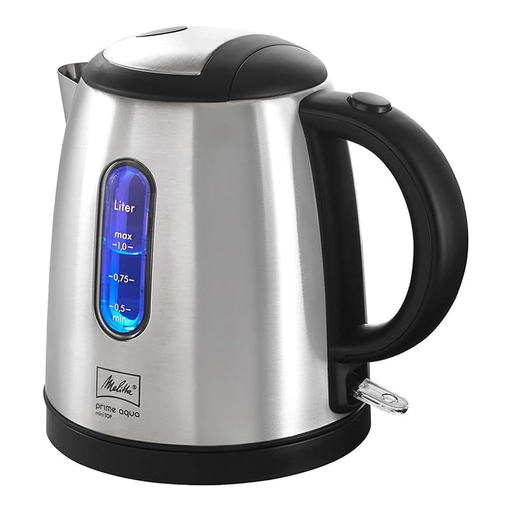
Why this product suits the profile: The compact 1-litre model takes up little space and offers a 2200-watt heating element for everyday use in smaller households.
The water-level indicator on both sides makes it easier to measure the right amount accurately. The removable limescale filter and concealed heating area support regular cleaning.
1.0-litre capacity, 360-degree base, automatic switch-off and boil-dry protection.
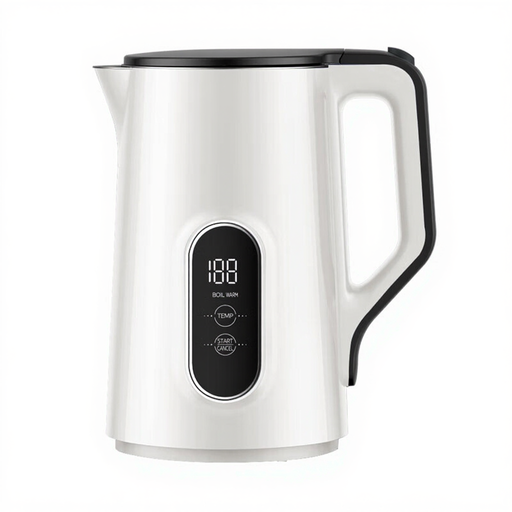
Why this product suits the profile: Tea drinkers and coffee lovers can choose from seven preset temperatures between 45 and 100 °C, with a digital temperature display.
You can select the target temperature instead of simply boiling the water. The double-walled housing and automatic switch-off are listed as specific features.
1.5 litres, 2200 watts, BPA-free plastic parts that do not come into contact with water according to the product details, and a keep-warm function for up to one hour.
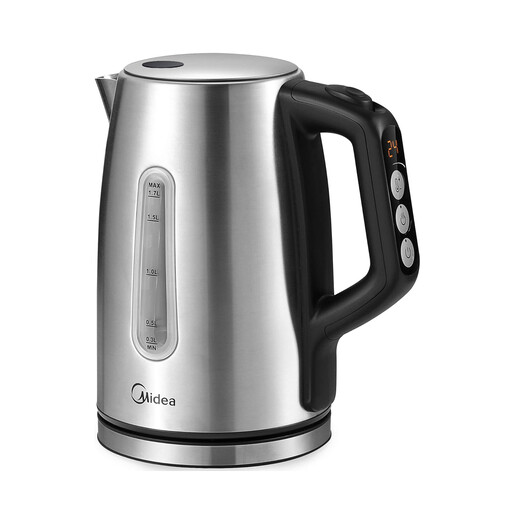
Why this product suits the profile: Families and frequent users get a 1.7-litre capacity, six selectable temperatures from 40 to 100 °C and a keep-warm function.
The large viewing window makes it easier to check the fill level. Automatic switch-off, overheating protection and a limescale filter are explicitly listed as features.
1.7 litres for up to seven 250 ml cups, 2200 watts, six temperature settings and keeping warm for up to 60 minutes according to the product description.
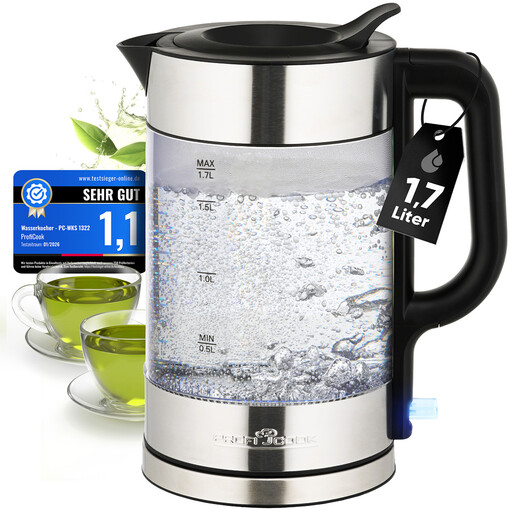
Why this product suits the profile: The heat-resistant safety glass makes the water level immediately visible. The 1.7-litre version is suitable for several people or preparing drinks frequently.
The water-level indicator reduces guesswork when filling the kettle. The concealed heating element, boil-dry protection, and automatic and manual switch-off functions address important everyday requirements.
Safety-glass container, BPA-free design according to the product details, 360-degree base, cable storage and illuminated operation.
We have put together a complete, regularly updated list of products that fully meet these strict selection criteria and the safety regulations applicable in the EU.
Descale the kettle according to the hardness of your water and how frequently you use it. In areas with hard tap water, more frequent care may be necessary. A removable limescale filter should be rinsed regularly. Never immerse the appliance in water; unplug it before cleaning and allow the kettle to cool down completely.
Only use clean water and never exceed the MAX marking. Even a cordless kettle is still an electrical appliance: the base, cable and plug must remain dry. If you notice unusual noises, leaks or damaged cables, stop using the appliance.
Models between approximately 1,500 and 2,200 watts are common for normal household use. A 2200-watt kettle can heat larger quantities quickly, but requires a suitable power supply. The key point remains to heat only the amount of water you actually need.
Its lifespan depends on usage, materials, limescale build-up and maintenance. Regular descaling, filling it correctly and protecting it from boiling dry can help preserve its performance. Without specific information from the manufacturer, it is not possible to give a reliable general lifespan.
Consumption depends mainly on the amount of water, the temperature and how often you use the kettle. Small portions require less energy than fully heating a 1.7-litre container. If you only need one cup, use the water-level indicator to measure the amount as accurately as possible.