Flask-fillers with a set capacity
You want to measure out the amount of water you need in a single boil, then pour it into your insulated flask. Whether a compact kettle will do the job depends on your flask’s capacity.


First, choose a kettle with a usable capacity that suits your insulated flask. Then check the space it will take up, how easy it is to handle and whether the spout works with your flask opening. A smaller capacity may mean boiling several batches to fill a larger flask. Adjustable temperature is most useful if you regularly prepare drinks that need water at different temperatures.
You want to measure out the amount of water you need in a single boil, then pour it into your insulated flask. Whether a compact kettle will do the job depends on your flask’s capacity.
You need space for both the kettle and its base, so you’ll have to weigh up the space they take against the amount of water you can boil at once.
Your flask has a narrow opening, or you want to pour with control. Consider the shape of the spout and how easy the kettle is to handle alongside your flask.
Start by comparing your flask’s capacity with the amount of water the kettle can hold. Then measure the kettle and base, and check that the spout and handle suit your flask opening and the way you plan to use it.
| Priority | What to check when buying | Who should consider this? |
|---|---|---|
| Suitable capacity | Compare your flask’s capacity with the kettle’s maximum capacity; check whether the scale clearly shows the amount you need. | If I want to fill my flask in a single boil, the amount I need must fit the usable capacity. Around 36 % of consumers put suitable capacity first. |
| Space required | Check the dimensions of the kettle and base, as well as the space needed to lift the kettle and open it; allow room for the cable and socket. | If I have little spare worktop space in a small kitchen, I want to fit the kettle and base without overlooking the room needed to use them. Around 29 % of consumers prioritise space. |
| Controlled pouring | Compare the shape of the spout with your flask opening; consider the handle and how safely you can lift the kettle. | With a narrow flask opening, I want to pour hot water carefully rather than rely on a spout description alone. Around 21 % of consumers prioritise pouring. |
| Temperature and cleaning | Check whether you need adjustable temperature; consider access to the opening and limescale filter, along with the care instructions. | If I need water at different temperatures for different drinks or want to clean the kettle regularly, suitable settings and easy-to-access parts matter. Around 14 % of consumers prioritise temperature control or cleaning. |
Your flask’s capacity, the space available and how clearly you can read the scale all affect how practical a kettle will be. A smaller kettle may require several boils to fill a larger flask.
Compare your flask’s capacity with the kettle’s dimensions, and only heat the amount of water you need. The Verbraucherzentrale recommends filling the kettle with only the amount required.
Cloer describes the 4519 model as having a silicone spout cover for controlled pouring. Russell Hobbs calls the spout on the Adventure Mini 24991-70 “Perfect Pour”. These manufacturers’ claims don’t prove that every flask opening can be filled without splashing.
Consider the spout shape, handle and flask opening together, and pour hot water carefully.
The Joybuy product page for the Tefal KI5338 lists 120 V; Tefal lists 220–240 V for the German product reference KI533811. The details refer to different product references and don’t confirm which version is included in a particular listing.
Before buying, check the exact product reference and the voltage stated for the kettle on offer. Don’t assume a listing is the German version just because it has a similar model name.
The Prime Aqua mini range is worth considering for smaller amounts of water. The Prime Aqua mini Top is a 1-l model.
The Cloer 4519 is a 1-l stainless steel kettle. The spout may be an important factor when choosing a kettle for your flask.
The WK 3458 has a 0.5 l capacity and adjustable temperature; the WK 3468 glass kettle holds 1 l.
The KÜCHENminis kettle is a 0.8 l model for smaller amounts.
The Adventure Mini 24991-70 is a 1-l model with a spout the manufacturer calls “Perfect Pour”.
The Joybuy models below differ in capacity, spout design and temperature settings, among other features. Compare each kettle’s capacity with your flask and measure the space you have available.
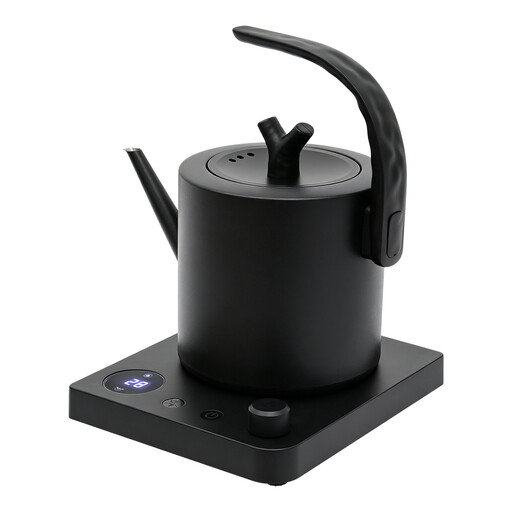 No image available
An option to consider if the amount your insulated flask needs fits within the stated capacity.
The product title lists a 1 l capacity, stainless steel construction and a keep-warm function.
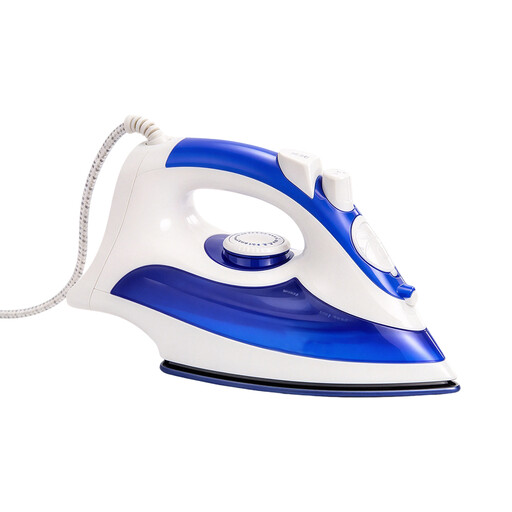 No image available
Could be a good fit if a removable lid and a swivel base would make it easier to use; measure your available space first.
The product title lists a stainless steel interior, a 360° base and a removable lid.
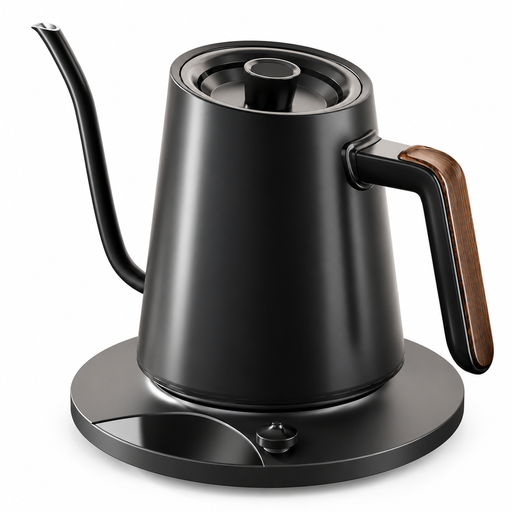 No image available
The gooseneck spout may appeal if you prefer a precise stream of water when pouring; you should still check that it suits your flask opening.
The product title lists a 0.9 l capacity, 1.200 W and adjustable temperature from 40 to 100 °C. It also lists a keep-warm function.
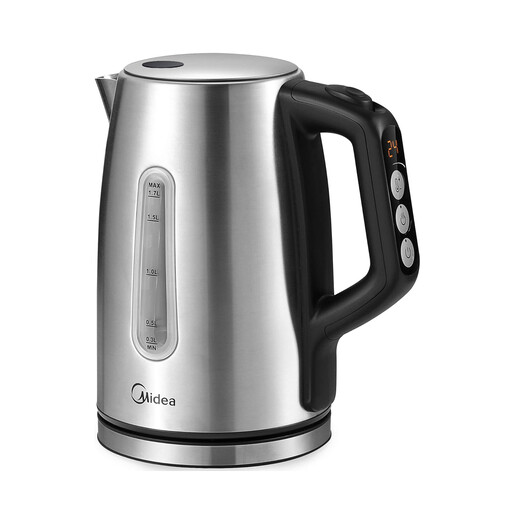 No image available
An option if you need more water at once and the stated capacity suits your needs.
The product title lists a 1.7 l capacity and 2.200 W; the product description lists six temperature settings from 40 to 100 °C, a keep-warm function and a limescale filter.
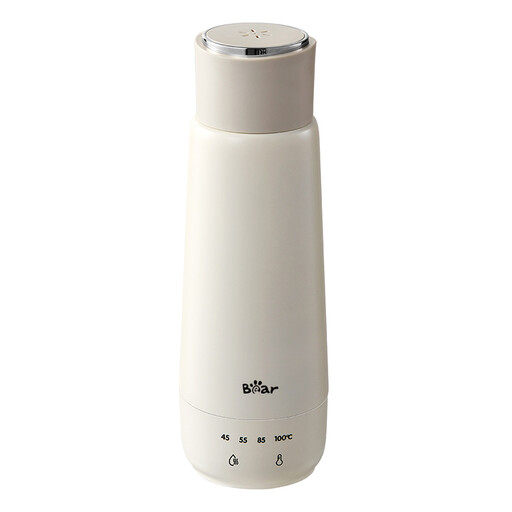 No image available
Could suit a small amount of water; compare the 300 ml capacity with the volume of your insulated flask.
The product title describes this as a portable 300-ml kettle.
Only if you need 0.5 l or less. Severin says the WK 3458 holds 0.5 l; you’ll need to boil several batches to fill a larger flask.
Measure the kettle and base, and make sure you can lift the full kettle and use the lid. Your flask opening also matters when pouring; manufacturers’ claims about a spout don’t guarantee a splash-free pour with every flask.
The Verbraucherzentrale recommends diluted citric acid as one way to descale a kettle. Also follow the care instructions for your particular model. If your kettle has a removable limescale filter, you can clean it separately.
No. Electrical equipment covered by the EU Low Voltage Directive must carry the CE marking; the manufacturer uses it to declare conformity. The directive covers equipment with a rated voltage of 50 to 1.000 V AC. According to Your Europe, there is no central EU body that issues a general CE certificate for use of the mark.
Check the exact product reference and the voltage listed for the specific item on offer. The Joybuy product page for the Tefal KI5338 lists 120 V, while Tefal lists 220–240 V for the German reference KI533811; the model name alone doesn’t confirm which version is being offered.