
Lieferung heute & morgen

Qualitätsgarantie

Willkommens-Angebote freischalten: KOSTENLOSE Lieferung | Bis zu 80 % RABATT | Kostenlose 30-Tage-JoyPlus-Testphase
App herunterladen
Keys, wallet, backpack—in our daily lives, there are many items that are a hassle and a waste of time to lose. A key finder, also known as a Bluetooth tracker or item finder, promises a simple solution. But the market is crowded, and not every device delivers on its promises. Misleading claims often lead to useless products and wasted money.
As a Joybuy Product Recommendation Officer, I filter the relevant information for you so you can make an informed decision. This guide will show you the three most common pitfalls when buying a key finder and which technical features you should look out for.
Many buyers regret their decision because they fall for common marketing promises. Pay attention to these three points to avoid a bad purchase.
To avoid the problems mentioned above, you should check three core technical features before buying. These determine whether a key finder is truly useful in everyday life.
This is the most important criterion. Long-distance tracking doesn't work via GPS, but through a network of millions of other smartphones.
The type of power supply has a direct impact on running costs and user convenience.
A good item finder must make itself heard and withstand the rigours of daily life.
Based on these objective criteria, we have identified some models that are suitable for different user profiles.
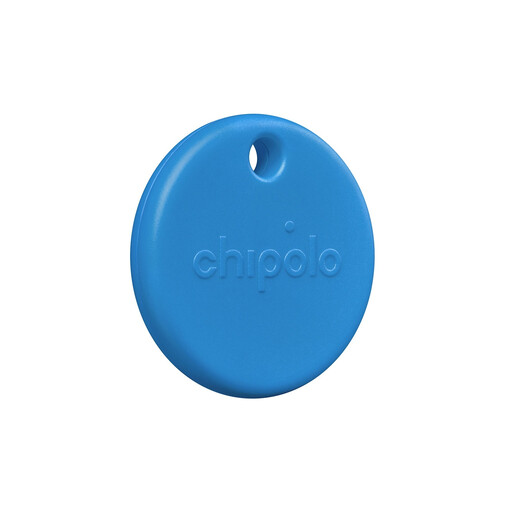
Why This Fits Their Persona: Ideal for users looking for a straightforward and cost-effective solution. Its universal compatibility makes it a flexible choice for individuals or households with different smartphone systems.
Avoids the compatibility trap by supporting both Apple "Find My" and Google "Find My Device". Uses a standard CR2032 battery, thus avoiding hidden long-term costs.
Universal compatibility with iOS and Android; easy setup via the Chipolo app; replaceable standard battery.
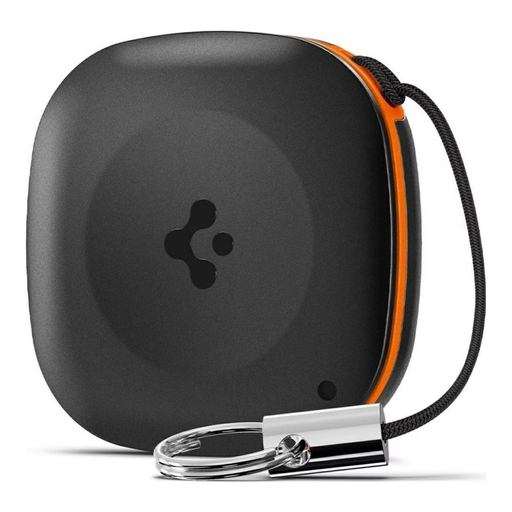
Why This Fits Their Persona: A practical AirTag alternative for users deeply embedded in the Apple ecosystem. It offers seamless integration into the "Find My" app and supports all key features like "Lost Mode".
This device is designed exclusively for the Apple network, which eliminates compatibility issues for iPhone users from the start. The use of a replaceable CR2032 battery ensures transparency in operating costs.
Full integration into the Apple "Find My" network; supports features like Precision Finding (with compatible iPhones) and "Separation Alerts"; water-resistant case.
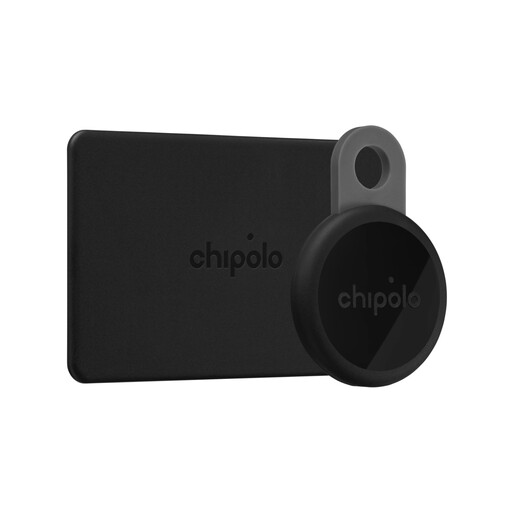
Why This Fits Their Persona: This bundle is designed for users who want to secure multiple items like keys and a wallet. The rechargeable batteries and robust design are ideal for intensive daily use and for travel.
Solves the problem of long-term costs with rechargeable batteries (USB-C and Qi wireless). The high IP67 rating of both devices prevents damage from water and dust, increasing longevity.
Complete package for keys (LOOP) and wallet (CARD); both devices are IP67 water and dust resistant; rechargeable with up to 6 months of battery life per charge.
We have compiled a complete, up-to-date list of products that fully meet these strict selection criteria and safety regulations.
Setup is usually very simple. First, download the manufacturer's app (e.g., Chipolo) or open the native app on your device (Apple "Find My" or Google "Find My Device"). Then, activate the tracker, usually by removing a battery protection tab or pressing a button, and follow the on-screen instructions on your smartphone to pair the device.
Your smartphone does not need a constant internet connection to find a nearby tracker via Bluetooth (e.g., inside your home). However, for long-distance tracking, an internet connection is required for your device to receive the location that is anonymously reported by other phones in the network. The tracker itself never needs an internet connection or a SIM card.
Bluetooth trackers (like the ones featured here) are small, energy-efficient, and use a network of smartphones for location tracking. They are ideal for personal items like keys or wallets. A GPS tracker for keys, in the true sense, is rare, as GPS modules are larger, consume significantly more power, and often require a mobile plan with a SIM card. They are more commonly used for tracking vehicles or valuable shipments. For everyday use, a Bluetooth-based item finder is the more practical solution.