For frequent number entry
If you manually enter a lot of loan figures, consider whether a dedicated number pad is worth the extra space. Dell lists one as a feature of the German KB216 version.


If you manually enter lots of loan figures when analysing library loans, a keyboard with a dedicated number pad is an obvious choice, provided you have enough desk space. In a quiet or small room, quieter keys and a compact design may matter more; a split ergonomic model is a more specific option for longer typing sessions and also needs room on your desk. Check that the specific version has a German layout, the right connection and the keys you need.
If you manually enter a lot of loan figures, consider whether a dedicated number pad is worth the extra space. Dell lists one as a feature of the German KB216 version.
If you’re analysing data in a shared or quiet room, pay attention to how the keys feel and sound. CHERRY and Logitech describe some models as quiet, but these manufacturer claims aren’t based on a shared noise comparison.
If you need room for paperwork as well as your computer, a compact keyboard could be a good fit. Weigh the smaller footprint against the keys and features you need for entering numbers.
| What to consider | What to look for | Who it matters to |
|---|---|---|
| Number entry | Check whether the specific version has a dedicated number pad and whether its dimensions will fit on your desk. | If I manually enter a lot of loan figures, I want to input them directly using a number pad, even if that means choosing a wider keyboard. Around 31% of consumers prioritise number entry when choosing a keyboard. |
| Typing noise | Check what the manufacturer says about the keys on the specific model; “quiet” isn’t a comparative decibel measurement. | If other people are studying or working in the room, I want to keep typing noise to a minimum. Around 25% of consumers prioritise keys that are as unobtrusive as possible. |
| Desk space and portability | Compare the dimensions with your workspace and check whether the available keys suit your tasks. | If my desk is small or I want to take my keyboard between study locations, a compact design matters to me. Desk space or portability is also a priority for around 25% of consumers. |
| Hand position | Check the design, palm rest, space required and whether it still has a number pad if you need one. | For longer typing sessions, I want to choose a design that suits the way I position my hands, without assuming it will ease any discomfort. Around 19% of consumers put hand position first when choosing a keyboard. |
A compact design and a dedicated number pad meet different needs. If you manually enter a lot of numbers, check the keys on the specific version before opting for a smaller footprint.
If a compact model doesn’t have the number keys you need, you may need a separate solution.
Manufacturers’ descriptions of how keys feel and sound don’t provide a consistent noise comparison between models.
If noise matters in your room, look for independent listening tests where possible, rather than relying on the product description alone.
Split keyboards vary in design and features; the label alone doesn’t tell you whether a model will suit the way you type.
Check the dimensions and features you need, and bear in mind that you may need time to get used to a split layout.
The wired STREAM KEYBOARD is an option if you’re after a classic office keyboard with low-profile scissor keys.
The Pebble Keys 2 K380s is designed for compact working, while the ERGO K860 has a split design and a number pad.
The German KB216 is a wired full-size option with a dedicated number pad.
The PERIBOARD-413 B is a split model with a USB-A connection and a German QWERTZ version.
The K8 Pro ISO collection is aimed at people looking for a mechanical keyboard with hot-swappable switches.
This selection includes compact, split and full-size keyboards for different priorities around number entry, desk space and typing sessions.
 No image available
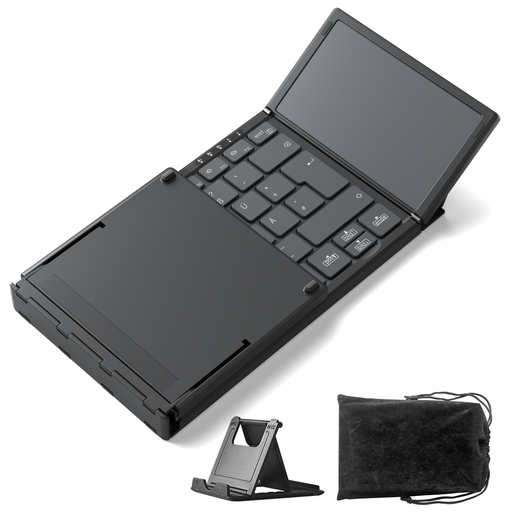
The foldable mini design could suit you if desk space is limited or you want to take your keyboard with you.
QWERTZ layout, touchpad and three Bluetooth channels. The product name lists compatibility with iPadOS, Android and Windows.
 No image available
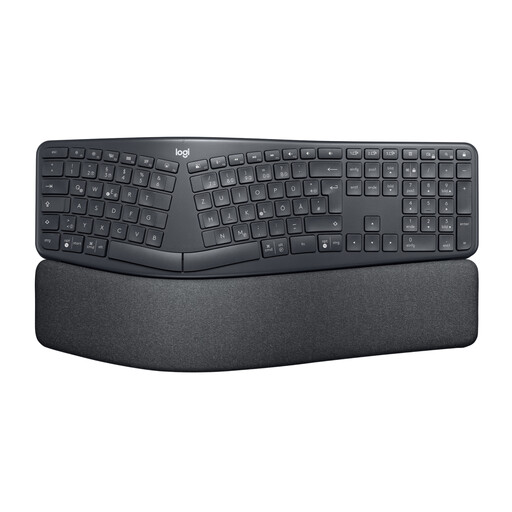
Its split design and palm rest make it a specific option for longer typing sessions, provided you have enough space.
Bluetooth and USB receiver; German QWERTZ layout. The stated dimensions are 456 × 233 mm. F.A.Z. Kaufkompass notes that it has no key backlighting or wired mode, and that the gap between the palm rest and keyboard is difficult to clean.
 No image available
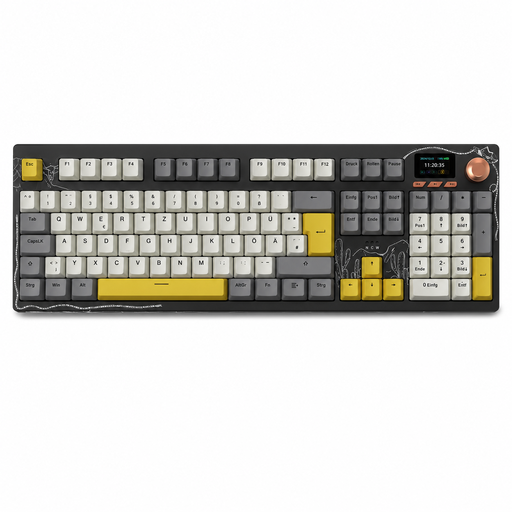
The full-size design with a dedicated number pad could suit you if you regularly enter loan figures directly on your keyboard.
German QWERTZ layout, Bluetooth, 2.4G and USB-C connectivity, plus hot-swappable switches.
 No image available
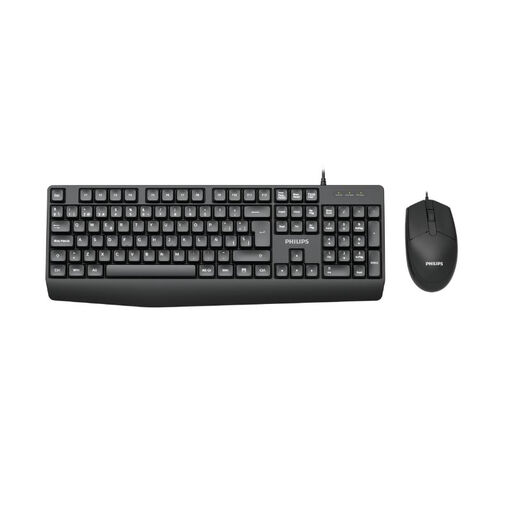
This wired keyboard and mouse set is an option if you need a dedicated number pad and a compatible cable connection.
German QWERTZ layout, USB-A connection and integrated number pad. The product description calls the keys quiet; this isn’t a comparative noise measurement.
 No image available
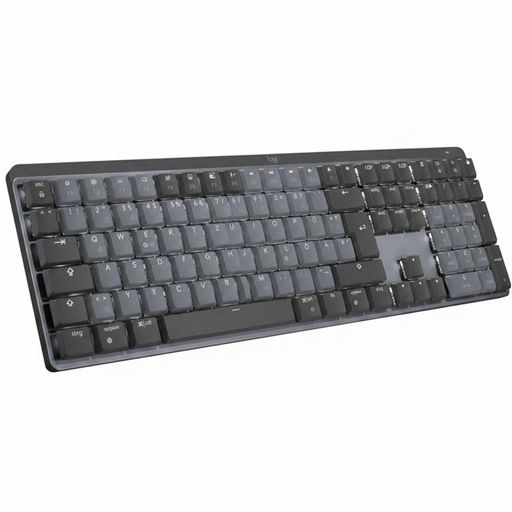
This could be an option if you’re considering a mechanical keyboard with a German layout; the switch name isn’t a substitute for a noise comparison.
German QWERTZ layout, Tactile Quiet switches, Bluetooth and Logi Bolt. The product name also mentions smart backlighting.
No, not necessarily. If you enter lots of numbers directly, a dedicated number pad is an obvious feature to look for. If space is limited or you often carry your keyboard around, consider whether entering numbers on a compact keyboard will be enough for you.
Make sure the connection on the specific version is compatible with your computer. Dell says the KB216 uses USB-A, while the Pebble Keys 2 K380s is a Bluetooth keyboard. Also check that the layout actually offered meets your needs.
Follow the manufacturer’s care instructions and check that the design suits the way you work. In its review of the Logitech ERGO K860, F.A.Z. Kaufkompass points out that the gap between the palm rest and keyboard is difficult to clean.
If there’s a fault, the seller is generally responsible for dealing with your statutory consumer rights. The Verbraucherzentrale (German consumer advice centre) states that the statutory warranty period is two years. Any additional guarantee offered is voluntary and may have its own terms and conditions.
In Germany, distance sales generally come with a right to cancel; under section 355 of the German Civil Code (BGB), the cancellation period is usually 14 days. For goods you’ve ordered, the period generally starts when you receive them. Check the terms of your specific purchase and any applicable legal exceptions.