What should you look for when buying?
First, check that you can access the standard keys and key combinations you need. Then compare the layout, size and connection with your workspace and test devices.
The figures below relate to consumers choosing a keyboard for navigation testing in a German home office. Each figure represents their main reason for buying.
| Priority |
What to check before buying |
Who is this important to? |
| Predictable standard operation |
Check that the keys and key combinations you need are accessible, and review the layout and any active special key mappings. |
When I test repeatedly using standard keys, I want to be able to enter commands predictably. Around 42% of consumers put reliable standard operation first. |
| Positioning for long work sessions |
Check the dimensions, position of the wrist rest and how well the keyboard can be set up at your workspace. |
When I spend a long time testing and writing, I want to position the keyboard in a way that suits how I work. Around 25% of consumers prioritise positioning and hand placement. |
| Limited desk space |
Check whether the remaining keys are enough for testing and office tasks without a separate number pad. |
If my desk space is limited and I rarely use the number pad, a shorter keyboard is appealing. Around 17% of consumers place the greatest importance on saving space. |
| Switching devices and connections |
Check the operating systems, Bluetooth or receiver, selected German layout and any active special key mappings. |
When I test on multiple devices, I need a suitable connection and a carefully chosen key mapping. Around 16% of consumers prioritise switching between devices. |
Keyboards at Joybuy
This selection includes keyboards with a German layout for wired or flexible workspaces, including compact and full-size options.
 No image available
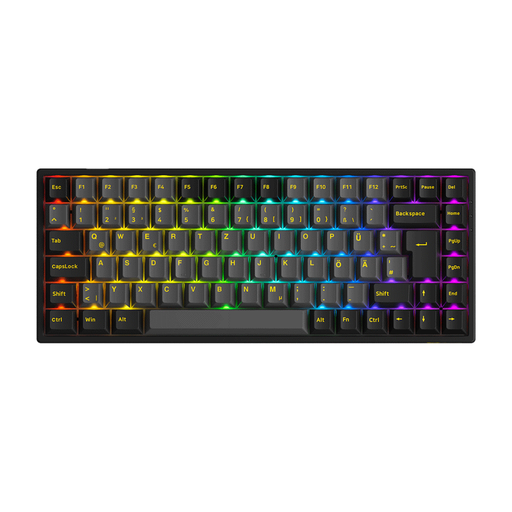
Akko 3084B Plus, 75%, ISO-DE, Cream Blue Switches, Black & Gold
A good fit if you test with a German layout and want to switch between different connection types.
ISO-DE/QWERTZ; Bluetooth, 2.4 GHz or USB-C; hot-swappable switches.
View at Joybuy
 No image available
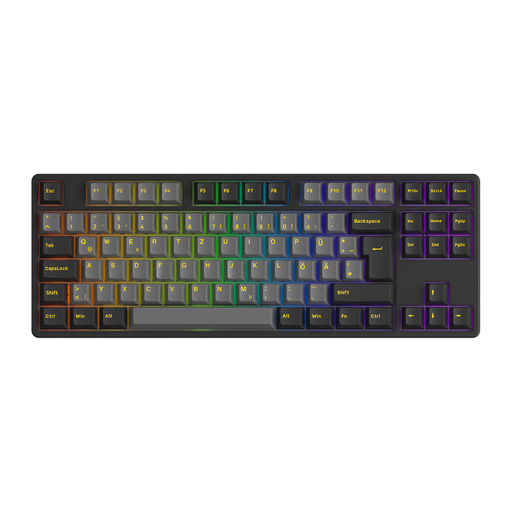
Akko 5087S V1 TKL, ISO-DE/QWERTZ, Cream Yellow Switches
A wired option if you’re looking for a German layout in a more compact design.
TKL layout without a separate number pad; USB-C connection.
View at Joybuy
 No image available
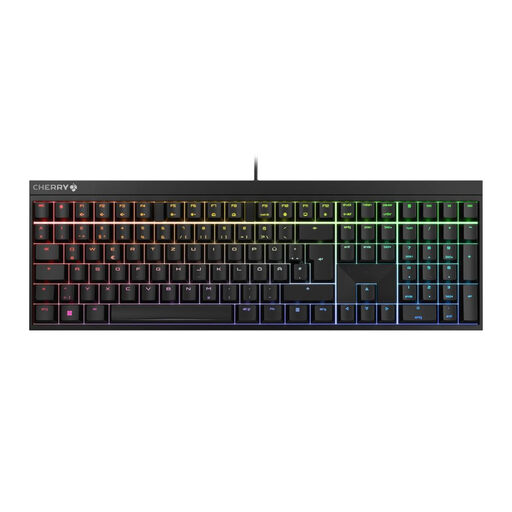
CHERRY MX 2.0S, Full-Size, German QWERTZ Layout
A good fit if you prefer a full key layout with a German layout for testing and office tasks.
Wired via USB-A; full-size. The product description lists N-key rollover and anti-ghosting.
View at Joybuy
 No image available
CHERRY MX-LP 2.1 Wireless, 65%, German QWERTZ Layout
A compact option if you want to switch between multiple devices or connection types.
Bluetooth, 2.4 GHz or USB-C; low-profile MX Speed switches.
View at Joybuy
Frequently asked questions
Is a keyboard with extra features enough to check accessibility?
No. Test the actual interface without a mouse: can you reach interactive elements using the keyboard, is the focus visible, and does it follow a logical order? The W3C Web Accessibility Initiative and WebAIM provide guidance and information on keyboard operation. A keyboard feature does not prove that an interface is accessible.
What should I check first when setting up?
Choose the right key mapping and connection for the specific keyboard version, then check the inputs on your test device. With programmable models, record any active special key mappings so you can repeat standard tests consistently. If you spend long periods working at a screen, also consider how the keyboard can be positioned at your workspace.
What are my rights when buying a keyboard online?
When you buy from a trader in the EU, you generally have at least two years of legal rights if the goods are faulty. A voluntary manufacturer’s guarantee does not replace these rights. Online distance purchases generally come with a 14-day right to cancel, subject to legal exceptions and the conditions of the specific purchase. Your Europe, the European Union’s information portal, explains these rights.
Does Germany’s BFSG require a specific keyboard for every personal navigation test?
The information from the German Accessibility Authority about the Accessibility Strengthening Act (BFSG) does not imply a general requirement for individuals to buy a specific keyboard for testing. The law applies to certain products and services, and to the economic operators with obligations under it; whether a particular service is covered depends on the circumstances. Testing an interface and determining its legal status are two different questions.


