
Lieferung heute & morgen

Qualitätsgarantie

Willkommens-Angebote freischalten: KOSTENLOSE Lieferung | Bis zu 80 % RABATT | Kostenlose 30-Tage-JoyPlus-Testphase
App herunterladen
The search for the right puzzle can quickly become overwhelming. Whether it's a gift for children, a relaxing hobby for adults, or an educational learning game, the selection is vast. But not every puzzle lives up to its promise. Many buyers are frustrated by mismatched difficulty levels or poor quality. This guide will help you identify the key criteria and make an informed choice.
Before we dive into the selection criteria, it's important to be aware of the typical problems that lead to frustration instead of fun.
To avoid these pitfalls, you should check three key aspects before buying.
The number of pieces is the most obvious indicator of difficulty. However, it's not just about the quantity, but also the size of the pieces.
You can recognise a good puzzle by its feel. The quality of the material determines whether puzzling is a joy or a test of patience.
Besides the classic jigsaw puzzle, there are other formats that each offer their own advantages and target different skills as a brain teaser.
Here are some recommendations tailored to different needs and age groups.
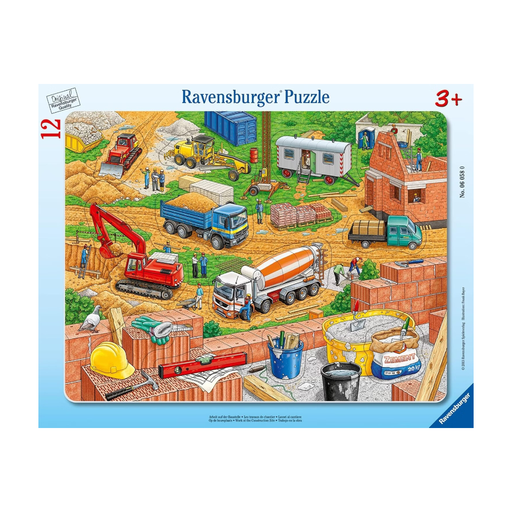
Why This Fits Their Persona: Ideal for a child's first puzzle experience. The sturdy frame provides support, and the few large pieces prevent them from feeling overwhelmed. The construction site theme is a big hit with young children.
The frame puzzle format and the low piece count of 12 are perfectly tailored to the abilities of three-year-olds, preventing frustration (Pitfalls 1 & 3).
Playfully promotes fine motor skills and concentration. The pieces are made from certified, child-safe cardboard.
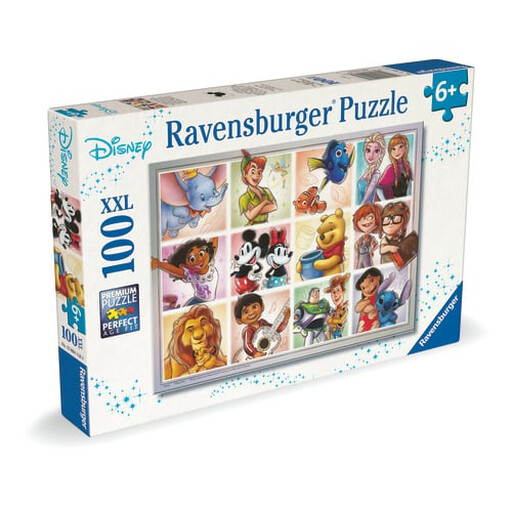
Why This Fits Their Persona: This 100-piece Disney puzzle appeals to a wide range of children. The XXL pieces are larger than standard ones, making it easier to transition to puzzles with a higher piece count.
The combination of a popular theme and an appropriate challenge (100-piece puzzle) ensures sustained motivation. The Ravensburger quality prevents poorly fitting pieces (Pitfall 2).
Enhances concentration and motor skills. The finished puzzle has an impressive size of 49 x 36 cm.
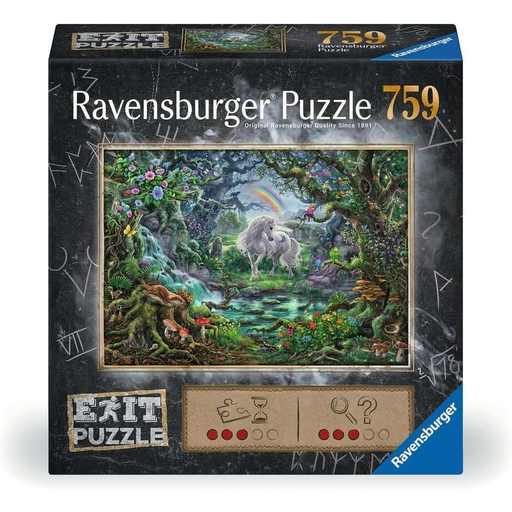
Why This Fits Their Persona: For anyone who finds a standard puzzle isn't enough. This puzzle for adults and teens combines assembling a 759-piece image with solving a mystery.
This product avoids the "wrong puzzle type" pitfall (Pitfall 3) by offering an innovative game mechanic that goes far beyond simply fitting pieces together.
Offers twice the fun: first you puzzle, then you solve. Perfect for a game night alone or with a group.
We have compiled a complete, up-to-date list of products that fully meet these strict selection criteria and all relevant safety standards.
1. How do I choose the right puzzle piece count for a child? Use the manufacturer's age recommendation as a guide, but also consider the child's individual patience and experience. As a rule of thumb: 2–4 years (up to 24 pieces), 4–6 years (24–60 pieces), 6–8 years (60–200 pieces), 8+ years (200+ pieces). Frame puzzles are often easier for beginners as they provide a solid base and pre-defined outlines.
2. What makes a high-quality puzzle? Look for thick, sturdy cardboard that doesn't bend easily. The pieces should be precisely cut and fit together without force. A good indicator is if you can lift a completed section of the puzzle without it falling apart. A matte print also prevents glare from overhead lighting.
3. Are there alternatives to classic jigsaw puzzles? Yes, the market offers many variations. 3D puzzles create three-dimensional objects and train spatial reasoning. Exit or mystery puzzles combine puzzling with a story and brain teasers. Logic games like Sudoku boards or the IQ series from Smart Games are pure brain teasers that train logical thinking without a picture motif.