
Lieferung heute & morgen

Qualitätsgarantie

Willkommens-Angebote freischalten: KOSTENLOSE Lieferung | Bis zu 80 % RABATT | Kostenlose 30-Tage-JoyPlus-Testphase
App herunterladen
Choosing a child's first bike is a major milestone. With a vast array of models, sizes, and types—from tricycles and balance bikes to classic kids' bikes—it's understandable that parents and grandparents seek guidance. Safety, correct sizing, and durability are crucial factors. This guide provides objective information and a clear overview to help you make an informed decision for your child.
Before you decide on a model, a few fundamental considerations will help. These criteria ensure the bike is not only fun but also safe and appropriate for your child's current developmental stage.
Manufacturer age recommendations are often just rough guidelines. The key to safe handling is the child's inseam (inner leg length). As a rule of thumb, the child should be able to touch the ground flat-footed with both feet while seated at the lowest saddle setting. This provides the necessary confidence for stopping and getting on. For example, a 16-inch kids' bike is often suitable for children between 105 and 135 cm tall, but measuring the inseam remains the most accurate indicator.
Depending on age and motor skills, different types of bikes can best support the learning process:
Regardless of the bike type, certain safety features should be present. An enclosed chain guard prevents clothing from getting caught in the chain. Safety grips with thick ends protect hands during a sideways fall. There are two common braking systems: the hand brake (V-brake) for the front wheel and the coaster brake. For beginners, a coaster brake is often more intuitive to use. Wearing a properly-fitting helmet should be non-negotiable from the very beginning.
Based on functionality, safety features, and adaptability, we've curated a selection of different bike types that cater to various age groups and needs.
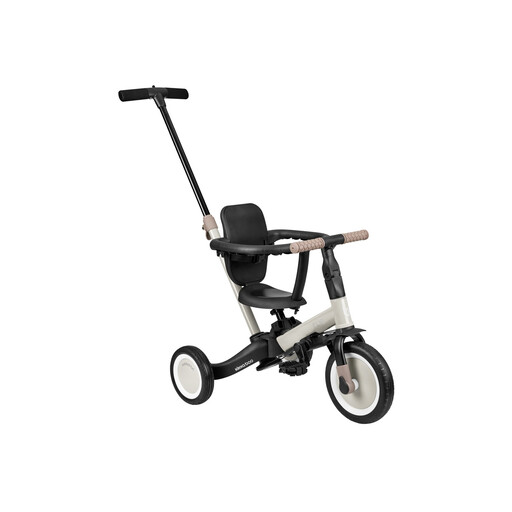
Why It Stands Out This model is a true convertible bike. Its 5-in-1 functionality allows for long-term use, from the first rides in push mode to independent cycling. The robust high-carbon steel construction promises stability and durability.
Advantages
Who It's For For parents seeking a versatile and long-lasting solution for children aged 1 to 5. It accompanies the child through various developmental stages without the need to purchase multiple vehicles.
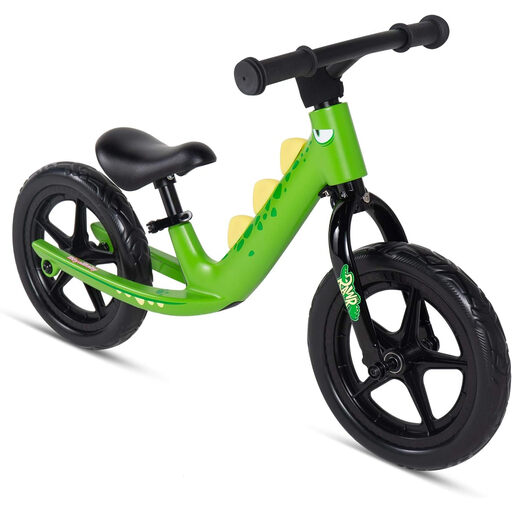
Why It Stands Out This balance bike stands out with its extremely lightweight magnesium alloy frame, which weighs only 2.77 kg according to the manufacturer. This makes it easy for kids to handle and for parents to carry. The maintenance-free EVA tyres require no air and are puncture-proof.
Advantages
Who It's For Ideal for children between 3 and 5 years old who want to specifically train their sense of balance. It's excellent preparation for their first bike with pedals.
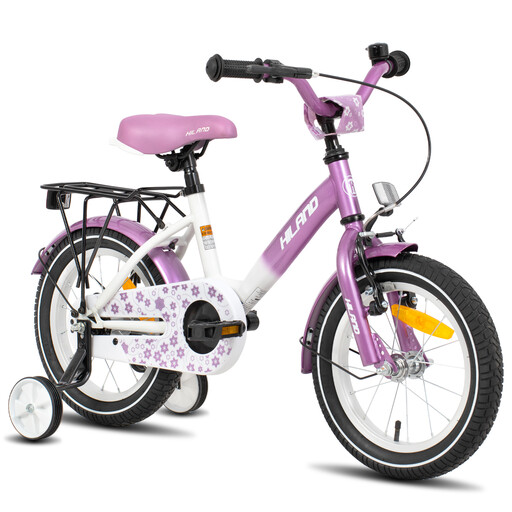
Why It Stands Out The HILAND Starry is a fully equipped 16-inch kids' bike designed specifically as a beginner's bike. It combines two independent braking systems—a front V-brake and a rear coaster brake—providing a comprehensive set of safety features for children learning to pedal.
Advantages
Who It's For For children aged 4 to 7 (height 105–135 cm) who are ready for their first real pedal bike. It provides a safe and stable platform for learning to ride.
Choosing the right bike depends heavily on your child's individual needs and developmental stage. If you want to explore more options or focus specifically on models that promote balance, you might find the perfect vehicle in our broader selection.
Discover our entire selection of kids' balance bikes and find the perfect model for your child.
A balance bike is typically recommended from around two to three years of age, as soon as a child can walk confidently and maintain their balance. It promotes motor skills and coordination, providing an ideal preparation for the eventual switch to a pedal bike.
The most important measurement is the child's inseam. Measure the distance from the floor to their crotch. While sitting on the saddle in its lowest position, the child should be able to stand with both feet flat on the ground. This ensures they have secure control over the bike.
Training wheels can give children initial confidence as they get used to pedalling. However, many children who have prior experience with a balance bike no longer need them. They have already learned to balance and can often transition directly to a bike without training wheels. The decision depends on the child's individual learning progress.