
Lieferung heute & morgen

Qualitätsgarantie

Willkommens-Angebote freischalten: KOSTENLOSE Lieferung | Bis zu 80 % RABATT | Kostenlose 30-Tage-JoyPlus-Testphase
App herunterladen
Finding the right kids' Bluetooth headphones can be a challenge for parents. The market is flooded with colourful designs and tempting marketing claims. However, not all models advertised as "child-safe" deliver on their promises. Making the wrong choice not only leads to unnecessary expense but, in the worst-case scenario, can endanger a child's sensitive hearing.
As your Joybuy Product Recommendation Officer, I'm here to help you avoid the common pitfalls and make an informed decision. We'll focus on the objective criteria that truly matter.
The 3 Most Common Pitfalls When Buying Kids' Headphones:
To avoid these pitfalls, you should focus on three core technical parameters. These features determine a headphone's safety, durability, and usability.
The most important feature for safe headphones for kids is a built-in volume limit. Continuous exposure to noise above 85 dB can cause irreparable hearing damage. Look for manufacturer specifications that explicitly confirm this limit, such as the "JBL Safe Sound" designation. Models that only offer a software-based limit via an app are less secure, as these settings can be bypassed. A hardware-level limit is the more reliable solution.
Wireless headphones for kids offer maximum freedom of movement and eliminate the risk of cable breakage or strangulation. Two aspects are crucial here:
The design directly impacts comfort and durability.
Look for flexible yet robust headbands and soft, durable padding made from skin-friendly materials.
Here are some recommendations tailored to different user profiles that meet the quality criteria mentioned above.
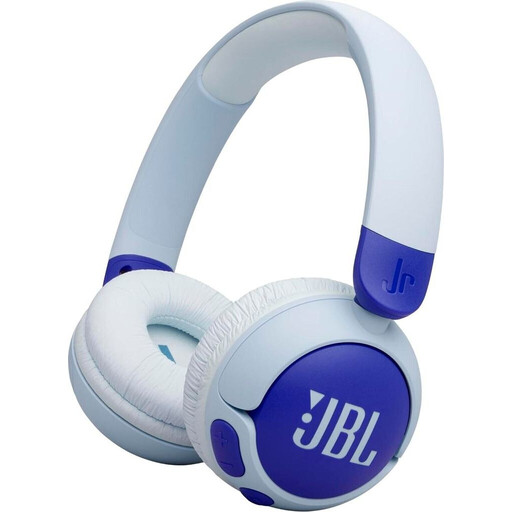
Why This Fits Their Persona: Ideal for home use, audiobooks, or shorter trips. This model offers all the core safety features and solid performance without the extra cost of specialised functions. A reliable all-rounder for getting started.
The "JBL Safe Sound" technology reliably limits the volume to under 85 dB. Its robust construction and child-friendly controls avoid the pitfall of cheap, easily broken models.
Very long battery life of up to 50 hours (according to the manufacturer). Integrated microphone for calls or online classes.
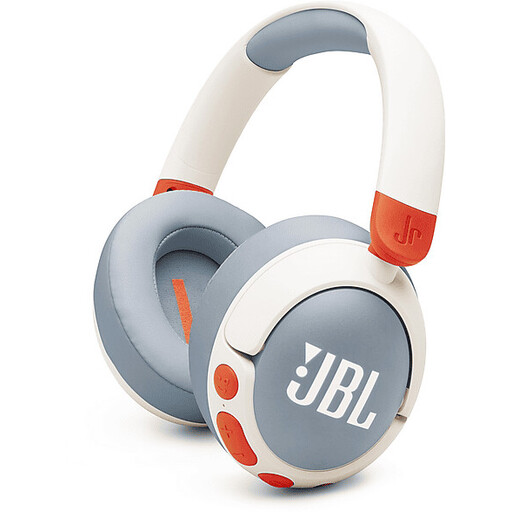
Why This Fits Their Persona: Perfect for train rides, flights, or noisy households. Active Noise Cancelling (ANC) allows children to focus on their music or audiobook without needing to turn up the volume.
The noise cancelling feature prevents kids from reflexively increasing the volume in loud environments. This provides an additional layer of safety beyond the 85 dB limit.
Active Noise Cancelling (ANC) and an over-ear design for high comfort. Can also be used with the included 3.5mm audio cable when the battery is dead.
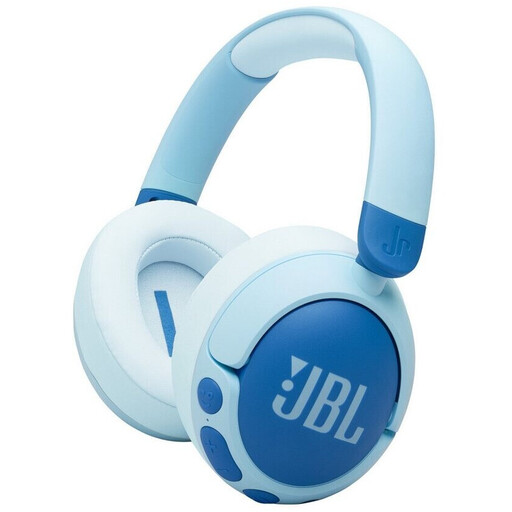
Why This Fits Their Persona: For children who wear headphones for long periods, whether for online school or entertainment. The over-ear design fully encloses the ears, ensuring even pressure distribution.
Directly addresses the "uncomfortable fit" pitfall. The softly padded over-ear cups are often better tolerated by children than on-ear models, increasing acceptance and usage time.
High wearing comfort due to the over-ear design. Offers additional parental control via the JBL Headphones App to monitor and limit listening habits.
We have compiled a complete, up-to-date list of products that fully meet these strict selection criteria and safety regulations.
On-ear headphones rest directly on the ears. They are typically lighter and more compact. Over-ear headphones enclose the entire ear. They often provide greater comfort for extended use and better passive noise isolation, which can help keep the volume low.
Even with a limited volume of 85 dB, it is recommended to limit listening time. Some headphone models, like JBL kids' headphones, offer a companion app that allows parents to set maximum daily listening times and monitor habits. As a general guideline, encourage regular breaks and limit the total duration to a few hours per day.
Yes, wireless kids' headphones with Bluetooth technology are considered safe. The radiation emitted by Bluetooth devices is very low-power, non-ionizing radiation, which is well below internationally established safety limits. The main advantage is the elimination of cables, which increases safety during use.