
Lieferung heute & morgen

Qualitätsgarantie

Willkommens-Angebote freischalten: KOSTENLOSE Lieferung | Bis zu 80 % RABATT | Kostenlose 30-Tage-JoyPlus-Testphase
App herunterladen
The selection of board games for kids and families is vast, but not every game that looks promising lives up to the hype. As a Joybuy Product Recommendation Officer, I see every day which products bring joy and which ones just gather dust on the shelf. Often, it's the small but crucial details that make all the difference. Before you buy a new game that might only be played once, you should know the most common pitfalls.
A frequent problem is the mismatch between the age rating on the box and the game's actual complexity. A game listed "for ages 4 and up" can overwhelm a child if it requires a high tolerance for frustration or long periods of concentration. Another pitfall is so-called educational games, where the pedagogical focus overshadows the fun. If a game feels more like homework, it quickly loses its appeal. Finally, low replayability is a deal-breaker: games that follow a fixed pattern and offer no variation become uninteresting after just a few rounds.
To find a suitable game that provides long-term entertainment, you should check three core parameters. These will help you see through the marketing promises and make an informed decision.
The type of game must match the child's personality and the family's dynamic. A rough distinction can be made between:
The manufacturer's age recommendation is a guideline, not a strict rule. In addition to age, consider the specified playtime and the complexity of the rules. A game for kids aged 4 and up should not exceed a playtime of 10-15 minutes and should have very simple, picture-based rules. For older children, the playtime can be longer and the strategic depth greater. Check if the game includes variable elements that allow the difficulty level to be adjusted.
Consider the primary setting in which the game will be used. Are you looking for a game for the weekly family game night, a gift for kids for a birthday, or a compact travel game for vacation?
Here are some recommendations tailored to different profiles and needs.
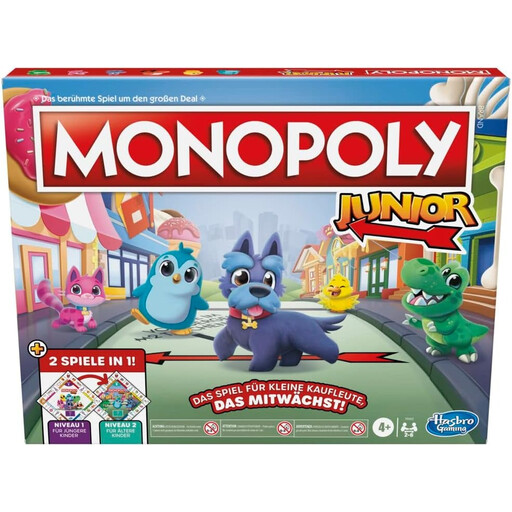
Why This Fits Their Persona: This game is the perfect entry point into the world of board games. It playfully introduces children to basic rules, counting, and handling play money without overwhelming them. The kid-friendly locations and characters create a high degree of familiarity.
The double-sided game board with two difficulty levels (for ages 4+ and 6+) solves the problem of mismatched age ratings. The game grows with the child, ensuring long-lasting fun.
2-in-1 Gameplay: Adapts to the child's skill level. Promotes Learning: Supports counting, reading, and social interaction.

Why This Fits Their Persona: Ideal for children who dislike direct competition and prefer to work in a team. The game is based on the highly popular German book series and is motivated by its familiar story and cooperative goal, where everyone wins or loses together.
This game avoids the "boring educational game" trap. The focus is clearly on the shared adventure and exciting story. The board's spinning mechanism also ensures high replayability, as the paths change every time.
Promotes Teamwork: Players must work together to win. High Engagement Factor: Based on a well-known and beloved book series.
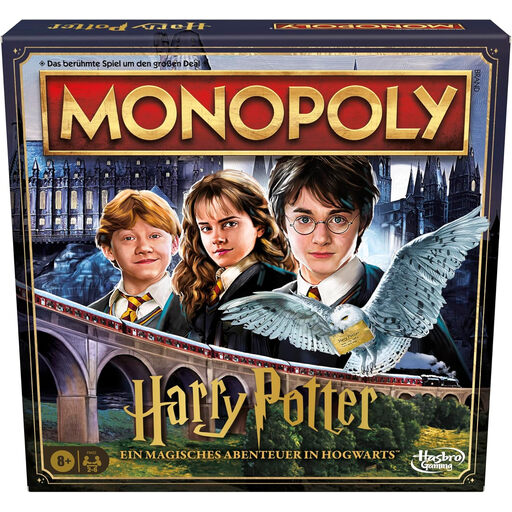
Why This Fits Their Persona: For older children and families who already have board game experience and appreciate thematic depth. The combination of the well-known classic board game Monopoly and the world of Harry Potter offers a more challenging and strategic gaming experience.
The strong thematic integration and adapted rules (e.g., collecting house points) prevent the game from becoming boring quickly. For fans of the series, the replayability is extremely high as they can immerse themselves in the magical world.
Encourages Strategic Thinking: Requires more planning than the Junior version. Strong IP: High motivation for fans of the Harry Potter books and films.
We have compiled a complete, up-to-date list of products that fully meet these strict selection criteria and German safety regulations.
1. How do I choose a game that will still be interesting months from now? Look for games with variable elements. These can include expansions, different game modes, a modular game board, or event cards that make each round unpredictable. Cooperative games with varying difficulty levels or games that require creativity also offer high longevity.
2. Are cooperative board games suitable for all children? Cooperative games are an excellent choice for fostering team spirit and avoiding arguments, especially with children who don't handle losing well. They are great for mixed-age groups, as older children can help the younger ones. However, some children love competition and only truly thrive in competitive games. Observe your child's preferences to make the right choice.
3. What makes a good travel game? A good travel game is above all compact, lightweight, and durable. Ideally, it has few or no loose small parts. Magnetic game boards and pieces are a very good solution here. Card games or games that come in a sturdy metal tin are also well-suited for on-the-go play. The playtime should be short, allowing it to be played during waiting times or short breaks.