
Lieferung heute & morgen

Qualitätsgarantie

Willkommens-Angebote freischalten: KOSTENLOSE Lieferung | Bis zu 80 % RABATT | Kostenlose 30-Tage-JoyPlus-Testphase
App herunterladen
A good craft kit for kids can be a wonderful way to foster creativity and provide a meaningful, screen-free activity. But the selection is vast, and not every kit delivers on the promise of its colourful packaging. As a Joybuy Product Recommendation Officer, I see daily which products bring joy and which ones quickly end up gathering dust in a corner. Often, it's the small but crucial details that make all the difference. Before you make a purchase, you should know the three most common pitfalls that lead to disappointed children and wasted money.
The search for the perfect gift idea for kids often ends with a creative kit. But this is precisely where traps lie that can quickly put an end to the crafting fun.
To avoid these pitfalls, you only need to check a few important features. These will help you select a suitable and safe creative toy.
The manufacturer's age recommendation is more than just a number. It provides a clue about the required fine motor skills, concentration span, and cognitive understanding.
Before buying, carefully check the list of contents. Reputable manufacturers list exactly what is included and what is needed additionally on the packaging or in the product description. Phrases like "Also required..." are a clear sign that you'll need to purchase other items. A good DIY kit for kids should ideally contain everything needed to complete the project from start to finish.
Consider what type of creativity you want to encourage. There are two basic types of craft kits:
Based on these criteria, we have compiled a few products for different interests and age groups.
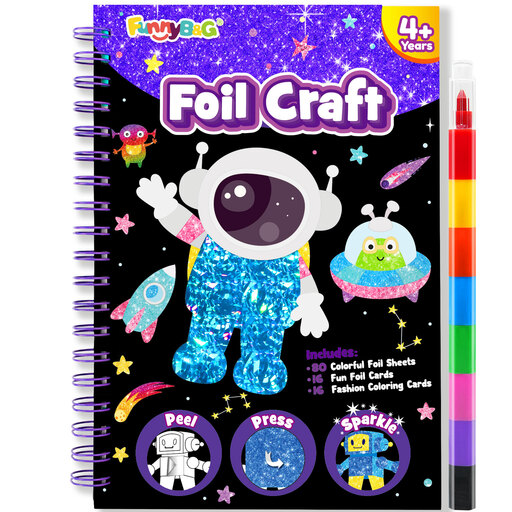
Why This Fits Their Persona: Ideal for younger children looking for a quick and clean sense of accomplishment. The simple technique requires no complex skills and is perfect for travel or quiet afternoons.
No glue, no paint—this kit is ready to use right out of the box, avoiding frustration from complicated or messy steps. The instructions are purely visual and self-explanatory.
Promotes concentration and fine motor skills with a simple yet engaging technique. The kit is compact and mess-free, making it a great travel companion.
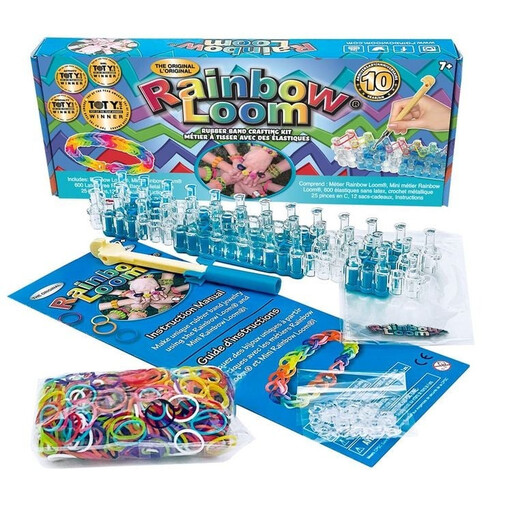
Why This Fits Their Persona: Perfect for children who love designing jewellery and accessories. This DIY bracelet kit promotes patience and pattern recognition, and is a classic for social crafting afternoons.
The kit includes over 600 latex-free rubber bands, clips, and all the necessary tools. It avoids the incomplete kit trap, as no additional purchases are needed to get started.
Develops pattern recognition and fine motor skills. The finished bracelets are a popular item to trade with friends, providing a long-lasting sense of achievement.
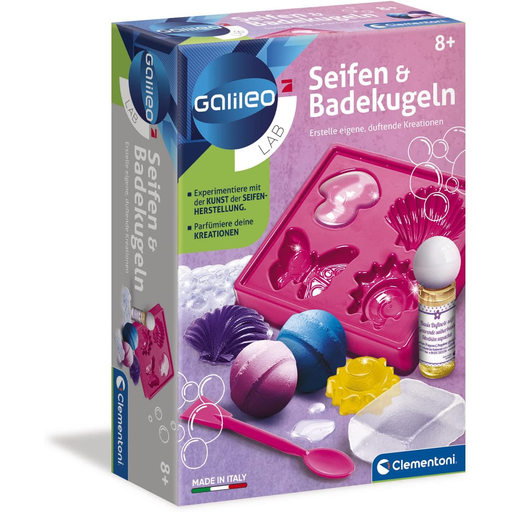
Why This Fits Their Persona: For kids who don't just want to craft, but also want to understand how things work. This kit combines making soaps and bath bombs with simple scientific principles.
The illustrated manual explains the chemical principles of cosmetic-making in a child-friendly way, guiding them safely to a successful result. It avoids the trap of incomprehensible instructions with clear, visual explanations.
Combines creative design with a real learning effect from the STEM field. The self-made products are practical and make a great homemade gift.
We have compiled a complete, up-to-date list of products that fully meet these strict selection criteria and rigorous safety standards.
The most important feature is the CE marking, which confirms that the toy complies with EU safety standards. Always read the manufacturer's age recommendation and warnings, especially for kits with small parts, sharp tools (like needles or carving knives), or chemical substances. Adult supervision is always advisable for younger children or when using new tools for the first time.
The key is to consider the child's interests. Do they love dinosaurs, jewellery, or experiments? Choose a theme that already sparks their enthusiasm. For beginners, projects with a manageable scope and quick results are a good start. Kits whose creations can be played with or used (e.g., a self-sewn monster, a bracelet, or a pencil holder) often have a stronger appeal.
No, not always. Check the product description or the details on the packaging under "Contents" or "What's in the box." Look for notes like "Also required:" or symbols for scissors, glue, or batteries. A true all-in-one kit that lets you start right away is often the better choice to avoid initial disappointment when crafting with kids.