
Lieferung heute & morgen

Qualitätsgarantie

Willkommens-Angebote freischalten: KOSTENLOSE Lieferung | Bis zu 80 % RABATT | Kostenlose 30-Tage-JoyPlus-Testphase
App herunterladen
As a Joybuy Product Curation Expert, I see the vast selection of children's craft kits available every day. A creative kit like this promises an engaging activity and results they can be proud of. But the reality is often different: initial excitement quickly gives way to frustration when the project fails. This is often due to avoidable product flaws. Before you make a decision, it's important to know the common pitfalls.
The 2 Most Common Frustrations with Creative Kits and How to Avoid Them:
To ensure a kids' DIY kit brings joy instead of frustration, you should check for three objective criteria. These will help you evaluate the quality of a product beyond its marketing promises.
A good craft kit is one that lets you start creating right out of the box. Carefully check the product description for a "Package Contents" or "What's Included" section. Pay attention to the following:
The manufacturer's age recommendation is a starting point. However, it's more important to assess the actual skills required. A "creative kit for kids" can involve a wide variety of techniques.
The quality of the materials determines both the final result and the safety of the kit. Look for the CE mark, which confirms that the product meets EU toy safety requirements. The instructions should be clearly structured, written in your local language, and ideally feature pictures or drawings that explain each step clearly.
Based on the criteria above, we have identified several products that are well-suited for different profiles.
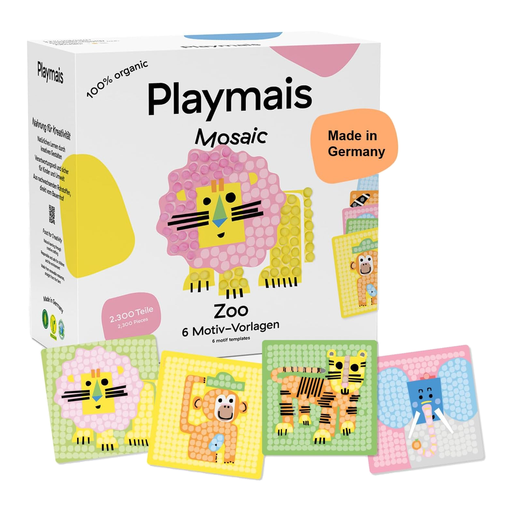
Why It's a Great Fit: Perfect for children getting their first crafting experience. The technique is incredibly simple, and the material, made from corn grits and water, is completely safe. It allows for quick, successful results without any complicated steps.
This kit is truly all-inclusive. No glue is needed, as the pieces are activated just by moistening them with water. A sponge and design templates are already included.
According to the manufacturer, the material is 100% biodegradable. The simple technique (sticking by moistening) is perfectly suited for the recommended age group and helps develop motor skills.
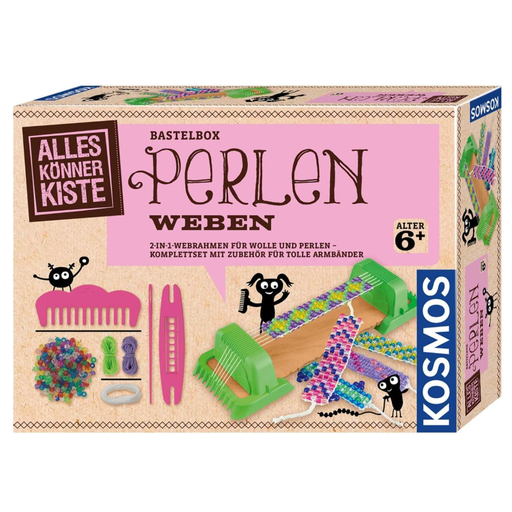
Why It's a Great Fit: For children who already enjoy intricate work and want to create their own piece of jewellery. Weaving with beads requires patience and concentration, making it a great gift for creative kids aged 8 and up.
This "All-in-One Kit" contains all the specific materials, including the 2-in-1 loom, safety needles, thread, and beads. The instructions explain the weaving techniques step by step.
The loom can be used for both beads and yarn, enabling a variety of projects. The kit specifically promotes fine motor skills and an understanding of patterns and techniques.
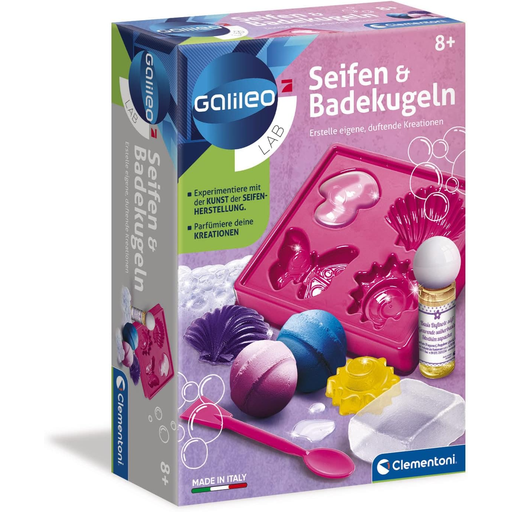
Why It's a Great Fit: This kit combines creativity with a scientific approach. Children playfully learn the basics of cosmetic production and chemistry by mixing and moulding their own scented soaps and bath bombs. The result is a useful, functional product.
All essential ingredients, such as the base mixture, fragrance oil, and moulds, are included. The illustrated guide walks them through the chemical steps, making the complexity manageable for the 8+ age group.
The kit offers a practical learning experience about the science of cosmetics. The final product (soap, bath bombs) can actually be used, which boosts motivation.
We have compiled a comprehensive, up-to-date list of products that fully meet these strict selection criteria and all relevant safety regulations.
Check the kit's contents against the packing list immediately after purchase. If anything is missing, contact the seller or the manufacturer listed on the packaging. Be sure to keep your proof of purchase. Reputable manufacturers typically offer a hassle-free replacement.
A suitable creative kit can objectively support various skills. These include fine motor skills (through cutting, threading, painting), concentration (by following instructions), logical thinking (understanding procedural steps), and creativity (through individual design choices).
Look for the CE mark on the packaging. It indicates that the manufacturer declares compliance with the requirements of the European Toy Safety Directive (EN 71). This covers chemical composition and mechanical safety, among other things. For paints, glues, or modelling clays, it is advisable to look for water-based and "non-toxic" labelled products. This information can be found in the product description or on the manufacturer's website.