
Lieferung heute & morgen

Qualitätsgarantie

Willkommens-Angebote freischalten: KOSTENLOSE Lieferung | Bis zu 80 % RABATT | Kostenlose 30-Tage-JoyPlus-Testphase
App herunterladen
Finding a meaningful and engaging activity for children away from screens can be a challenge. A good craft kit for kids offers a valuable opportunity to foster creativity, patience, and motor skills. However, the selection is vast, and deciding which kit is the right one is often difficult.
My name is Joy, and as a Joybuy Product Recommendation Officer, my job is to provide you with clear and objective guidance. In this article, I will present a selection of creative kits and give you practical criteria to help you make your choice.
To find the right DIY kit for kids, a few fundamental considerations can be helpful. These criteria are based on objective product features and will help you make an informed decision.
The manufacturer's age recommendation is a key indicator. It relates not only to safety aspects, such as choking hazards from small parts, but also to the level of difficulty. A kit that overwhelms a child's motor and cognitive skills will lead to frustration. On the other hand, a kit that is too simple will cause boredom. Be sure to choose a creative toy that matches the child's developmental stage and ensures a positive experience.
A good craft box should ideally contain all or most of the necessary materials to start the project right away. Check the product description carefully: are tools, glue, or perhaps batteries included, or do they need to be purchased separately? Kits that allow for an immediate start are particularly suitable as a gift for kids aged 8 and up or for a spontaneous crafting afternoon.
The greatest incentive for a child comes when the theme of the craft kit matches their personal interests. The range extends from scientific experiments in a science kit to designing jewellery or sewing their own characters. Considering the child's preferences is a crucial factor for long-lasting crafting fun.
Based on the criteria mentioned above, we have compiled a selection of different craft kits. Each kit appeals to different interests and skill levels.
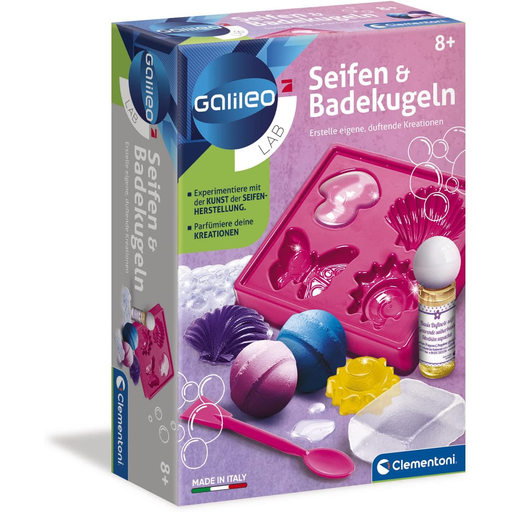
Why it stands out: This kit combines creative design with a simple scientific insight into the world of cosmetics. Children create their own fragrant soaps and fizzy bath bombs, playfully learning basic chemistry concepts along the way.
Pros:
Who is it for?: For kids aged 8 and up who are interested in experiments and DIY projects and would love to create their own personal care products.

Why it stands out: With this kit, children create a decorative and functional object for their own room. The homemade fairy lights are a project with a visible and long-lasting result that personalises their space.
Pros:
Who is it for?: For creative kids aged 8 and up who enjoy crafting and have a flair for decoration. It's also a great choice for family craft afternoons.
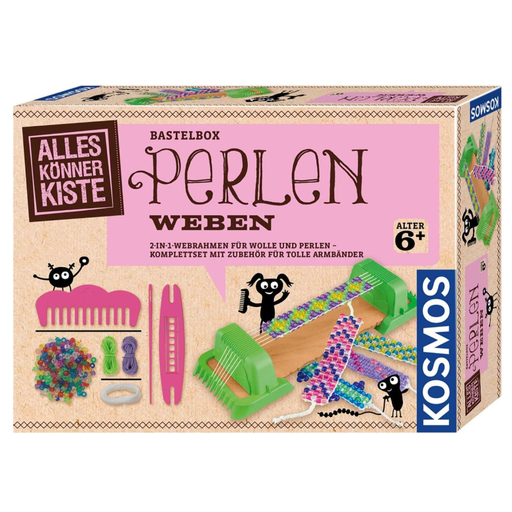
Why it stands out: This kit offers special versatility with its 2-in-1 weaving loom. Children can weave not only with beads but also with yarn, allowing them to create a variety of bracelets and small accessories.
Pros:
Who is it for?: For kids aged 6 and up who enjoy designing jewellery and accessories and are looking for a calm, focused activity.
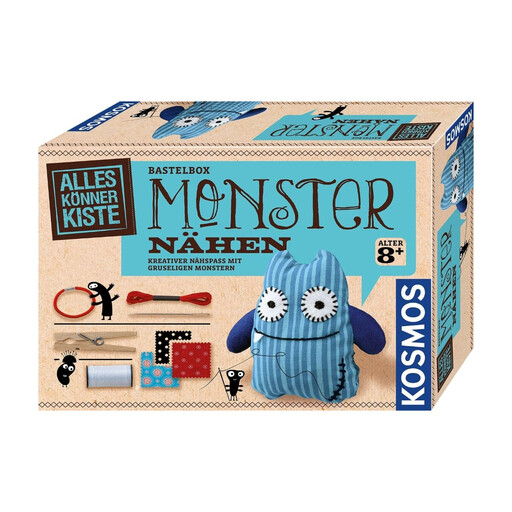
Why it stands out: This creative kit for kids introduces the basics of sewing in an accessible way. Children can create their own unique monster figures from the included fabrics and materials, learning a practical skill in the process.
Pros:
Who is it for?: For kids aged 8 and up who are interested in handicrafts and want to learn how to make their own small stuffed toys with a needle and thread.
This selection represents just a small glimpse into the diverse world of crafting with kids. Every child has different interests, whether it's painting, modelling, building, or experimenting.
If you are looking for other themes or kits for different age groups, you can find a larger selection in our comprehensive Craft Kits for Kids category to find just the right project.
A craft kit promotes a range of skills. These include fine motor skills through precise hand movements, creativity in design, concentration and patience in completing a project, and problem-solving skills when things don't work out on the first try. It offers a tangible and productive alternative to digital media.
There are suitable kits for almost any age. The key is to follow the manufacturer's age recommendation, as it is tailored to the motor and cognitive abilities of that specific age group. For younger children, simple plugging, threading, or painting sets are suitable, while older children can tackle more complex projects like a science kit or sewing kits.