
Lieferung heute & morgen

Qualitätsgarantie

Willkommens-Angebote freischalten: KOSTENLOSE Lieferung | Bis zu 80 % RABATT | Kostenlose 30-Tage-JoyPlus-Testphase
App herunterladen
Choosing craft supplies for children can be a daunting task. The market is filled with products promising creativity and educational fun, but not all of them deliver. Often, unsuitable materials lead to frustration instead of joy, or even pose hidden hazards. This guide will help you identify common purchasing pitfalls and select the right products that genuinely support your child's development.
Before we dive into the key selection criteria, let's highlight three typical problems that often lead to disappointment:
To avoid these pitfalls, focus on a few fundamental, objective parameters. These will help you to factually assess the quality and suitability of creative toys and kids' art supplies.
Safety is the most important criterion. Look for the CE marking, which confirms that the product complies with EU safety standards. For pens, paints, and glues, terms like "solvent-free," "water-based," or "non-toxic" are crucial indicators. Especially for products intended for younger children, it's important to ensure the absence of plasticisers (like BPA). A good pen set, for example, should be made from verifiably safe materials.
Children's motor skills develop in stages. An educational toy for ages 3 and up must be designed differently than school supplies for an eight-year-old.
A good product should perform its function reliably. Scissors must cut, and glue must stick. Reusable products like an LCD writing tablet or washable colouring books offer high play value and are a sustainable alternative to consumables. Even kits like diamond painting for kids should include all the necessary gems and tools in sufficient quantity and quality to complete the project successfully.
Here are some product recommendations tailored to different needs and age groups, all of which meet the criteria mentioned above.

Why It's a Great Fit: Ideal for parents seeking a mess-free and reusable alternative to paper and pens. It fosters creativity without stains on clothes or furniture and is perfect for use at home or as a travel companion.
This product bypasses the pitfall of short-lived materials. Instead of consuming paper and pens, the LCD writing tablet offers a drawing surface that can be cleared with the press of a button for endless creative fun.
Made from eco-friendly ABS plastic, which the manufacturer states is free from BPA and lead. The lightweight design with rounded edges is tailored for children's hands.
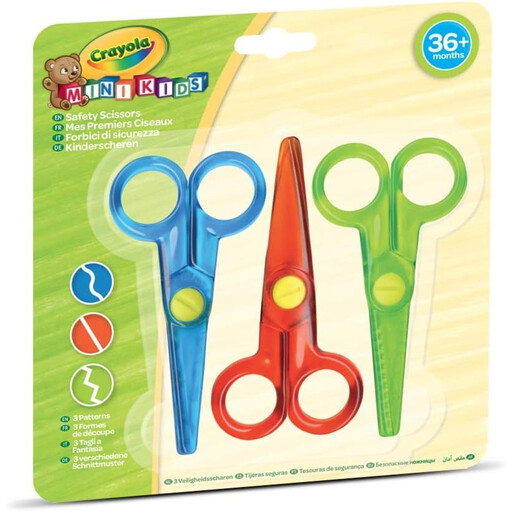
Why It's a Great Fit: This set is specifically designed for children aged 3 and up to make their first attempts at cutting. It focuses on safety to give parents peace of mind while allowing children to successfully learn an important motor skill.
It solves the problem of unsuitable tools. Unlike regular scissors, which can be dangerous for young children, or toy scissors that don't cut at all, these models are both functional and safe.
The scissors feature plastic blades with rounded tips that only cut paper. The ergonomic handles are designed for small hands and promote correct handling.
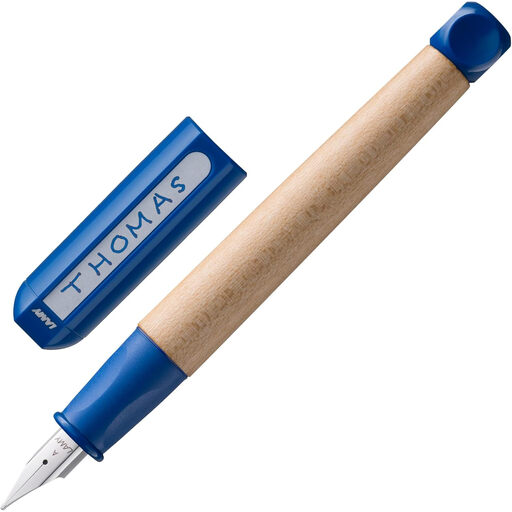
Why It's a Great Fit: This writing instrument was developed as part of a school supplies range in collaboration with educators to make learning to write easier for children. It's an investment in proper posture and technique from the very beginning.
Instead of a cheap, disposable product, you get a durable, refillable writing tool. It prevents the frustration caused by poorly functioning pens and instead builds confidence in learning to write.
The body made of maple wood and the non-slip, ergonomic grip support a relaxed pen hold. The robust steel nib is specially designed for beginner writers.
We've compiled a complete, up-to-date list of products that fully meet these strict selection criteria and current safety regulations.
1. How can I identify safe craft supplies for my child? Look for the CE marking on the packaging, which indicates conformity with EU safety standards. Read the manufacturer's age recommendations and warnings carefully, especially regarding small parts that could be swallowed. For paints and pens, labels like "non-toxic" or "water-based" are important indicators of safety.
2. What art supplies are suitable for children under 3? For this age group, safety and ease of use are paramount. Recommended items include non-toxic finger paints, thick, chunky crayons that don't break easily, or reusable water-colouring books that only require plain water. Ensure that products are explicitly labelled as suitable for children under 36 months and always supervise creative activities.
3. How can I foster creativity without constantly buying new materials? Opt for reusable and versatile creative toys. An LCD writing tablet or washable sticker books offer long-lasting fun. A high-quality pen set combined with a simple block of paper can often open up more creative possibilities than a thematically limited craft kit designed for a single project.