
Lieferung heute & morgen

Qualitätsgarantie
App herunterladen
Kategorien
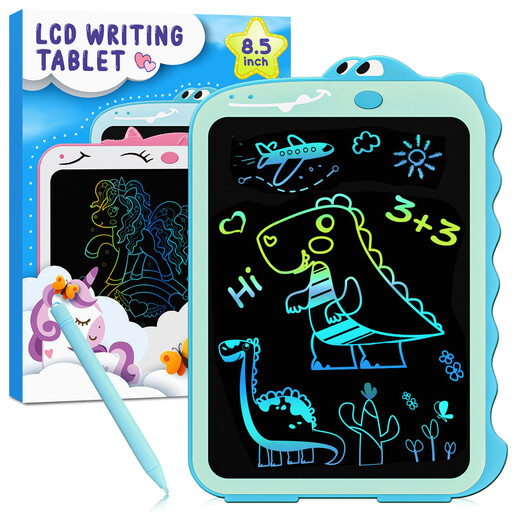
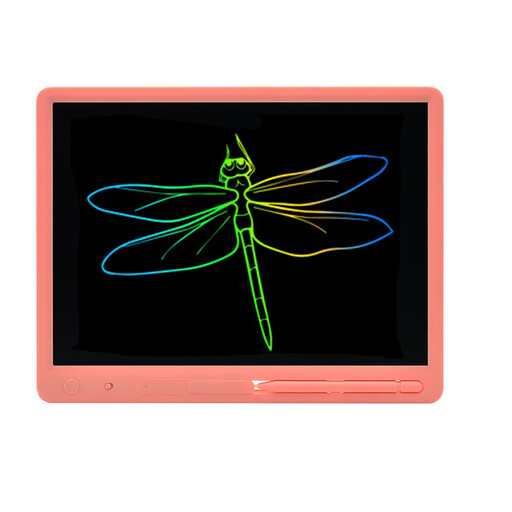
A drawing tablet for kids, often called an LCD writing tablet or digital magic slate, is a device based on a pressure-sensitive liquid crystal display. It allows for drawing and writing without ink, paper, or chalk, and can be completely erased at the touch of a button. This technology offers a clean, reusable alternative to traditional art supplies. The focus is on fostering creativity and fine motor skills, without the screen time and active backlighting associated with conventional tablets.
The selection of a suitable model is based on objective criteria that ensure safety, functionality, and durability.
The casing material is a critical factor for safety. Most high-quality models are made of ABS plastic (Acrylonitrile Butadiene Styrene). This material is distinguished by its high impact resistance and robustness. Look for products explicitly declared as free of BPA, lead, and formaldehyde. Compliance with the EU REACH regulation indicates that the product has been tested for a wide range of substances of very high concern. Rounded edges without sharp burrs are essential for handling by young children to minimise the risk of injury.
The screen diagonal, usually specified in inches, determines the size of the usable drawing area.
The functionality should be designed for simple and intuitive use. A key feature is the erase button, which clears the entire screen with a single click. Some models also include a lock switch (lock function) to prevent accidental erasure of the drawing. The included stylus should be ergonomically designed and securely attachable to the device to prevent it from being lost. Power is typically supplied by a long-lasting, replaceable coin cell battery (e.g., CR2025), which only consumes energy during the erasing process.
Based on the aforementioned technical parameters and practical utility, we present a few models here.

While a digital magic slate is an excellent way to foster creativity without the mess, there is a wide variety of other toys that engage different sensory and cognitive skills. For children who prefer haptic or interactive experiences, our Toys for 3-Year-Olds category offers a broad selection of alternatives.
1. How does an LCD writing tablet for kids work? An LCD writing tablet uses a passive, pressure-sensitive screen. When the stylus applies pressure to the surface, the liquid crystals in that area realign and reflect ambient light, making a line visible. The device requires no power to display the image. Only the erasing process, which uses a brief electrical pulse to reset the crystals to their initial state, consumes a minimal amount of battery power.
2. Do LCD drawing tablets emit harmful light? No. Unlike conventional tablets, monitors, or smartphones, these LCD writing tablets do not have their own backlight. They emit no blue light or radiation. The screen works by reflecting the existing light in the environment, which can be perceived as less strenuous on the eyes.
3. From what age is a drawing tablet useful? Most manufacturers recommend their products for children aged 3 and up. At this age, fine motor skills are typically developed enough for children to hold a stylus and make deliberate strokes. Such a tablet can support hand-eye coordination and prepare them for writing letters and numbers.