
Lieferung heute & morgen

Qualitätsgarantie

Willkommens-Angebote freischalten: KOSTENLOSE Lieferung | Bis zu 80 % RABATT | Kostenlose 30-Tage-JoyPlus-Testphase
App herunterladen
A kids' electric car is at the top of many wish lists. The look of joy in their eyes as they unwrap it is priceless, but that excitement can quickly fade if the vehicle shows defects or fails to meet expectations. As a Joybuy Product Recommendation Officer, I see the daily pitfalls that lead to disappointment. Before you make a decision, you should know the most common errors that often lead to costly mistakes.
The market for electric ride-on toys is large and overwhelming. Certain marketing claims and subpar product features consistently lead to frustration for parents and children alike.
To avoid buyer's remorse, you should focus on three technical features that fundamentally determine the quality, safety, and longevity of an electric car for kids.
The battery's voltage is a direct indicator of the vehicle's performance capabilities.
A kids' car with a remote control is an indispensable safety feature, especially for children under 5. Look for a 2.4 GHz remote control. Unlike older infrared or radio technologies, this provides an interference-free and direct connection to the vehicle. The crucial feature is the emergency stop function, which allows parents to instantly stop the vehicle and take over control at any time.
The type of wheels determines where and how well the electric ride-on vehicle can be used.
Instead of making a one-size-fits-all recommendation, we have selected models tailored to specific use cases and requirements.
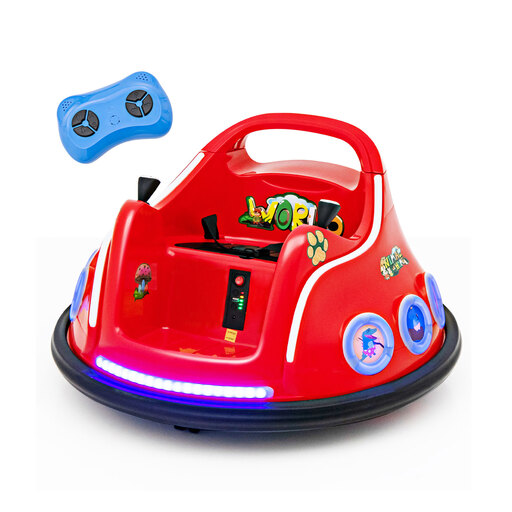
Why This Fits Their Persona: Ideal for younger children (ages 3+) getting their first driving experience. The 360-degree spin function offers a high fun factor in a small footprint, and the remote control gives parents full command.
This model includes a full-featured remote control, giving parents the necessary control and thus bypassing the safety trap.
The unique 360-degree spin function and integrated lights and music ensure long-lasting entertainment.
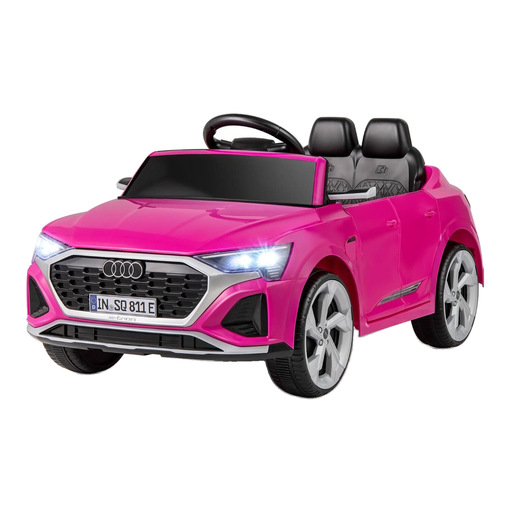
Why This Fits Their Persona: For parents who value design, brand licensing, and premium features. The realistic driving experience is enhanced by details like LED headlights and an authentic dashboard.
This model counters the typical pitfalls with a soft-start function, suspension on all four wheels, and a reliable 2.4 GHz remote control.
Officially licensed Audi design for an authentic look. The combination of suspension and soft-start ensures an exceptionally smooth and safe ride.
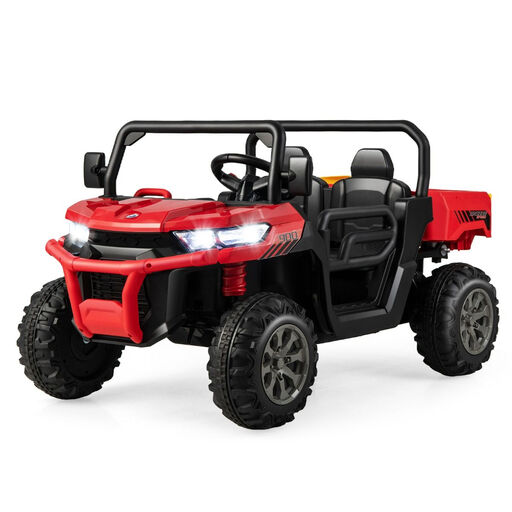
Why This Fits Their Persona: Perfect for families with two children or for playdates. With a high weight capacity of 50 kg and two seats, this electric kids' vehicle allows for shared rides.
The combination of two motors, a 12V battery, and suspension ensures that performance doesn't suffer even at full capacity, keeping the ride stable on various surfaces.
Two full-sized seats with seat belts and a high weight capacity of 50 kg. The wear-resistant wheels with suspension also allow for rides off perfectly flat paths.
We have compiled a complete, up-to-date list of products that fully meet these strict selection criteria and safety regulations.
The actual battery runtime depends heavily on usage. Factors like the child's weight, the terrain (grass consumes more energy than asphalt), the selected speed, and frequent stops and starts all affect the duration. Realistically, most 12V models offer runtimes between 45 and 90 minutes per charge.
For children aged 3 to 6 who will primarily be driving on flat surfaces like sidewalks, patios, or driveways, a 12V model is generally perfectly adequate. It offers a safe speed and enough power. A 24V model makes sense if the vehicle will be used regularly on grass or slight inclines, if two children will be riding at the same time (two-seater kids' electric car), or if the child is older and wants more power.
A remote control is a crucial safety feature right from the start. It is essential for children between the ages of 3 and about 5, whose motor skills and awareness of danger are still developing. It allows parents to correct the direction and stop the vehicle immediately in an emergency. Even with older children, the remote can be useful for maintaining control in crowded or tricky situations.