
Lieferung heute & morgen

Qualitätsgarantie

Willkommens-Angebote freischalten: KOSTENLOSE Lieferung | Bis zu 80 % RABATT | Kostenlose 30-Tage-JoyPlus-Testphase
App herunterladen
A kids' electric car is at the top of many children's wish lists. The idea of driving their own vehicle around the garden or yard, just like the grown-ups, is captivating. But for parents, grandparents, and relatives, choosing the right model can quickly become overwhelming. The market is filled with vehicles that look similar at first glance but differ in crucial details.
As a Joybuy Product Recommendation Officer, I see every day which features really matter and which marketing promises fall short in practice. This guide will help you navigate the most common pitfalls and find an electric ride-on vehicle that is safe and provides lasting enjoyment.
Before we dive into the important features, let's highlight the typical problems that lead to disappointment. Knowing what they are is the first step to avoiding them.
To avoid these pitfalls, you should focus on three key parameters during your selection. These largely determine the vehicle's safety, performance, and durability.
The battery's voltage is one of the most important indicators of performance. While 6-volt models are only suitable for very young children on smooth indoor floors, a 12V electric car for kids offers significant advantages:
Therefore, look specifically for the 12V specification in the product description. It's a clear quality indicator for a versatile ride-on toy car.
Safety is the top priority. Two features are non-negotiable:
A kids' car with a remote control isn't a luxury; it's a fundamental requirement for responsible play.
The type of tires significantly affects the ride feel and noise level.
A battery-powered ride-on, intended as a gift for kids aged 3 and up, should be equipped with tires suitable for both indoor and outdoor use, without fraying the nerves of parents and neighbors.
Based on the criteria above, we have selected a few models from our range that are suitable for different requirements.
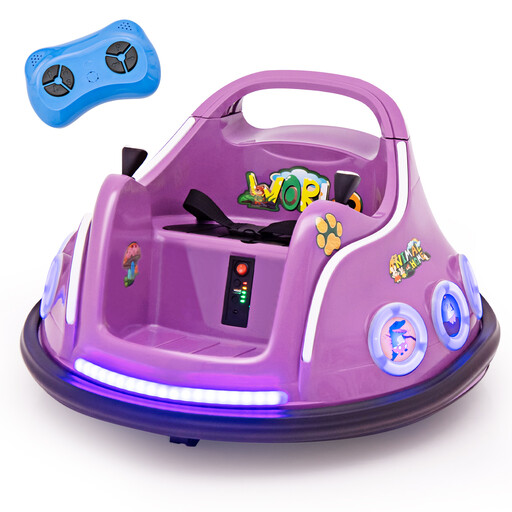
Why it's a great fit: This vehicle combines all the key safety aspects. The 2.4G remote control gives parents full control, while the 12V drive ensures a reliable and safe ride on various surfaces.
It bypasses the power trap with its 12V battery and the safety trap with its integrated remote control and seatbelt.
The 360-degree rotation feature adds an extra element of fun beyond normal driving, without compromising on safety.
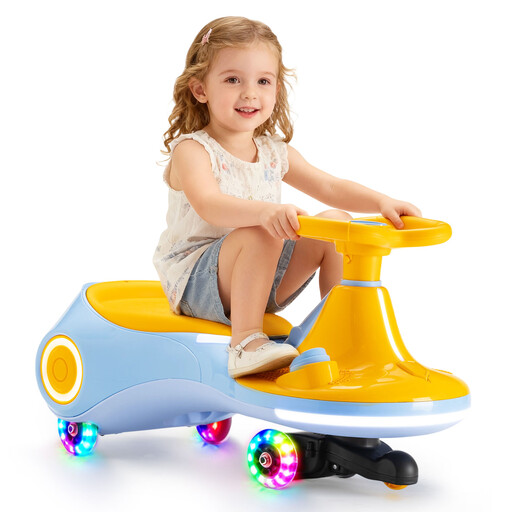
Why it's a great fit: This 3-in-1 vehicle is more than just an electric car. It can be used as an electric vehicle, a pedal car, or a wiggle car. The Bluetooth music function and light-up wheels ensure long-lasting fun.
It avoids the pitfall of becoming boring quickly thanks to its versatile modes of use. The 12V battery ensures the electric mode actually performs well.
The 3-in-1 functionality and Bluetooth connectivity offer high replay value and adapt to the child's growing skills.

Why it's a great fit: This motorcycle is ideal for a first step into the world of electric mobility. It's easy to operate with a foot pedal and its 3-wheel design offers high stability for younger riders.
It avoids the trap of overly complex features that could overwhelm a child. Its stable construction is a clear safety advantage over wobbly models.
The simple operation and stable design make it an accessible first battery-powered ride-on that provides immediate fun with no steep learning curve.
Many of our kids' electric cars feature built-in music functions. If your child loves music, be sure to explore our range of specialty kids' musical toys that foster creativity.
1. How long does the battery last on a 12V kids' electric car? The battery life of a 12V kids' electric car is typically between 1 and 2 hours of continuous use. The exact duration depends on factors like the child's weight, the surface terrain, and the use of additional features like lights and music. A full recharge usually takes 8 to 12 hours.
2. Is a ride-on car with a remote control really necessary? For children under four or for novice drivers, a remote control is a highly recommended safety feature. It allows parents to intervene immediately in an emergency, stop the vehicle, or steer it away from potential hazards. It gives both parents and the child peace of mind.
3. What kind of surfaces can an electric kids' vehicle drive on? This is highly dependent on the model. 12V electric cars for kids with higher-quality tires (e.g., with a rubber strip or made of EVA) can typically handle short grass, sidewalks, and slightly uneven terrain. Cheaper 6V models are often limited to smooth, flat surfaces like patios or indoor floors. Always check the manufacturer's specifications for the recommended use.