
Lieferung heute & morgen

Qualitätsgarantie

Willkommens-Angebote freischalten: KOSTENLOSE Lieferung | Bis zu 80 % RABATT | Kostenlose 30-Tage-JoyPlus-Testphase
App herunterladen
An electric car for kids is at the top of many wish lists. The idea of your little ones cruising through the garden or yard in their own mini speedster is certainly appealing. However, the vast selection and flowery product descriptions can quickly lead to buyer's remorse. Certain defects often only become apparent after a few weeks, putting a lasting damper on the fun.
As your Joybuy Product Recommendation Officer, I'll help you identify the crucial features and avoid common pitfalls. We'll focus on the facts that truly matter for a safe and long-lasting driving experience.
Before we dive into the desirable features, it's important to know the most common problems that arise with cheap or poorly specified models.
To avoid these pitfalls, you should carefully check three technical aspects before buying. These are the key determinants of the vehicle's safety, performance, and longevity.
The voltage, specified in volts (V), is an indicator of the motor's power.
Just as important is the battery capacity, measured in ampere-hours (Ah). It determines the ride time. A value of 7 Ah or more is recommended for extended adventures without constant recharging.
A good electric kids' vehicle is distinguished by thoughtful safety features that offer parents control and provide protection for the child.
Consider whether the vehicle will be used by just one child or potentially shared by siblings.
Here are some models that represent a considered choice based on objective features for different needs and age groups.
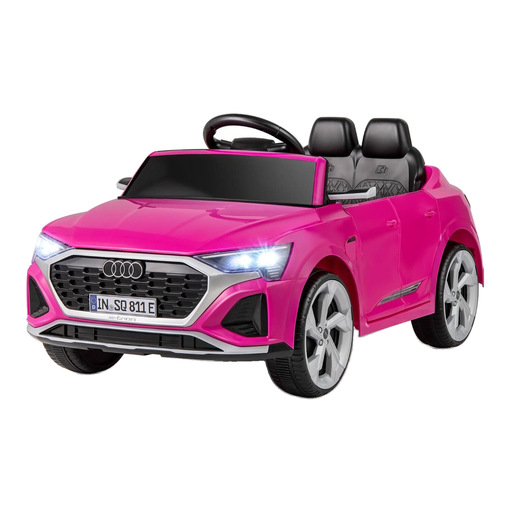
Why it's a match: This officially licensed Audi kids' car is ideal for young drivers aged 3 and up. It combines a realistic design with the most important safety features for parental peace of mind and a fun driving experience for the child.
It features a soft-start function to prevent abrupt take-offs, as well as a remote control for parents. The wheels with suspension ensure a smoother ride than models with pure hard plastic tyres.
Two driving modes (manual and remote control), 12V dual motor for consistent power, LED headlights, and music functions for an entertaining driving experience.
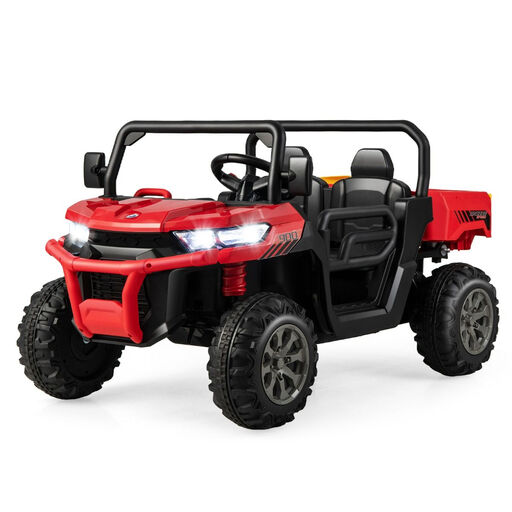
Why it's a match: As a 2-seater kids' electric car, this model is designed for two children at once. Its high load capacity of 50 kg and two seats make it the ideal choice for siblings or playmates.
It addresses the problem of inadequate load capacity found in many models. With a load capacity of 50 kg and two motors, it's robustly built. The suspension on all four wheels ensures a stable ride, even when fully loaded.
Automatic tipping bed with a shovel for imaginative play, 2 seats, soft-start function, and a 2.4G remote control with an emergency brake.
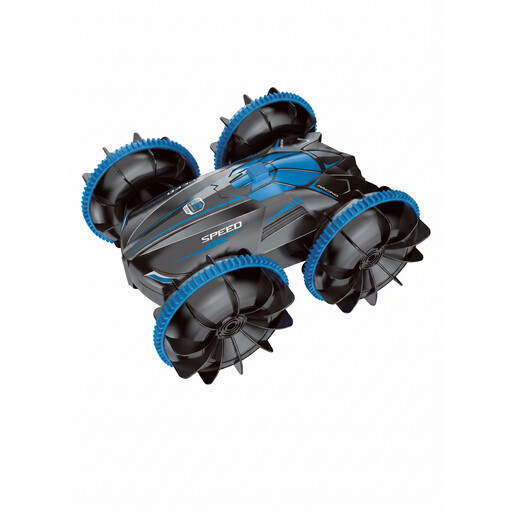
Why it's a match: Not every child wants to sit in the car themselves. For tech-savvy kids who love action and control, this remote-controlled car is an exciting alternative to a classic ride-on.
Unlike simple RC cars that break easily, this RC Stunt Car is built to last. It's waterproof, can drive on both sides, and features all-wheel drive, which increases its durability under heavy use.
Amphibious vehicle for land and water, dual control (hand controller and gesture watch), 360° rotations, and double-sided driving for maximum play versatility.
We have compiled a complete, up-to-date list of products that fully meet these strict selection criteria and UK safety regulations.
1. How long does the battery of a kids' electric car last? The ride time depends on the battery capacity (Ah), the child's weight, the speed, and the surface. On average, a 12V vehicle with a 7 Ah battery provides a ride time of 45 to 90 minutes. Models with a lower capacity (e.g., 4.5 Ah) often only last for 30 to 60 minutes.
2. From what age is a kids' electric car suitable? Most manufacturers recommend a minimum age of 3 years. However, the child's motor skills and the vehicle's safety equipment are more important than age. Models with a remote control and soft-start function are well-suited for beginners from age 3, as parents retain full control.
3. Can I drive a kids' electric car on uneven terrain like grass? Yes, this is possible with the right model. Look for vehicles with two motors (ideally 12V or 24V), suspension on the wheels, and tyres with good tread. Pure hard plastic tyres without suspension are unsuitable for uneven terrain and should be avoided if the car will be used primarily in the garden.