
Lieferung heute & morgen

Qualitätsgarantie

Willkommens-Angebote freischalten: KOSTENLOSE Lieferung | Bis zu 80 % RABATT | Kostenlose 30-Tage-JoyPlus-Testphase
App herunterladen
A kids' electric car is at the top of many wishlists. The idea of little ones driving their own realistic-looking vehicle through the garden or park is captivating. However, the selection is vast, and product descriptions are often filled with marketing promises. Before you make a decision, it's crucial to understand the most common pitfalls that can lead to disappointment and unnecessary expense.
As your Joybuy Product Recommendation Officer, I'll help you distinguish the essential features from the superfluous and make an informed choice.
Many well-intentioned purchases end in frustration because crucial details were overlooked. Pay close attention to these three points to avoid a bad buy.
To ensure the electric ride-on car brings long-lasting joy, you should check three core parameters before buying. These determine safety, performance, and durability.
The voltage, specified in Volts (V), is the most important indicator of motor power.
Besides voltage, the capacity in Amp-hours (Ah) is relevant. A higher Ah value means a longer runtime per charge under the same usage conditions.
A good electric toy of this kind must have fundamental safety mechanisms.
Pay attention to the specified plastic material. Polypropylene (PP) is often a good choice as it is robust yet flexible enough to absorb impacts without breaking immediately. Also, check the maximum weight capacity in kilograms. A higher value indicates a more stable frame and a more durable construction, which is especially important if the vehicle is to be used for several years.
Here are some options tailored to different needs and age groups that meet the criteria mentioned above.
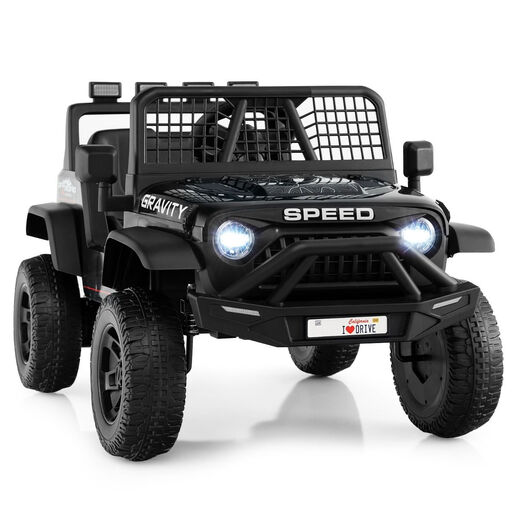
Why this model is a great fit: Ideal as a first proper ride-on car for children aged 3 and up. It combines an appealing design with the necessary parental control and enough power for rides in the garden. A great gift for kids aged 3 and up.
The included remote control gives parents full control, bypassing the safety trap. The 24V drive ensures there's enough power for lawn use, avoiding the battery trap.
The combination of 24V power for various surfaces and full parental control via the remote.
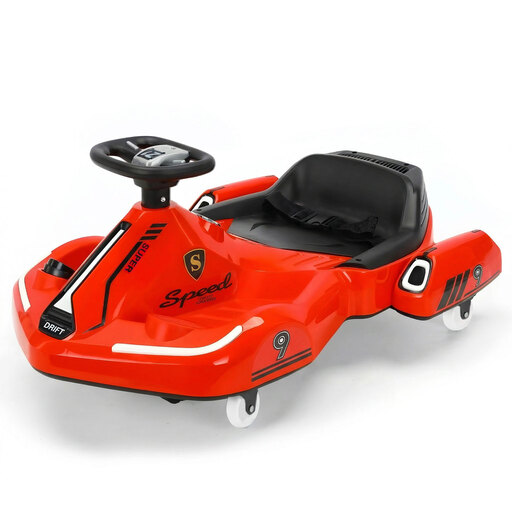
Why this model is a great fit: For families looking for an alternative to the classic electric car or needing an agile vehicle for indoor use. The 360° spin function offers a completely new kind of driving fun.
This model is clearly designed for smooth floors and doesn't create the false impression of being an off-road vehicle. It sidesteps the power trap by being clearly positioned for indoor and patio use.
The unique 360° spin function provides high play value in tight spaces. The high weight capacity of up to 50 kg promises long-term use.
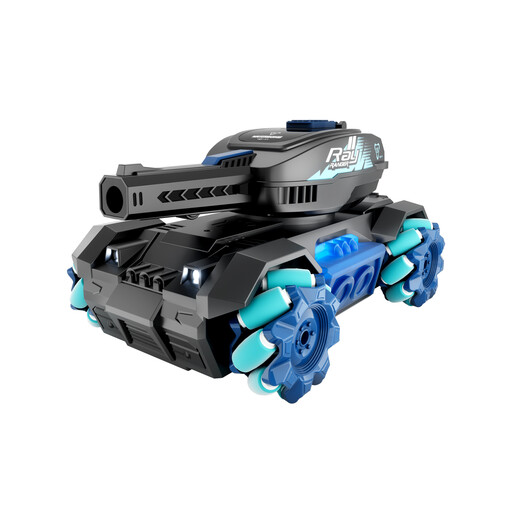
Why this model is a great fit: For older kids (ages 6-8+) who want more than just driving. This remote control car for kids is an interactive toy that combines skill and coordination with stunts and a water-bead shooting function.
As a pure RC vehicle (not for riding on), it has a clear target audience and avoids false expectations. The focus is on interactive features rather than pure driving performance, setting it apart from classic kids' cars.
The combination of gesture control, stunt capabilities, and a shooting function offers high interactive play value that goes far beyond simple driving.
We have compiled a complete, up-to-date list of products that fully meet these strict selection criteria and UK safety regulations.
The actual battery life depends heavily on usage. Factors like the child's weight, the surface texture (grass consumes more energy than asphalt), and driving style all affect the duration. Realistically, most 12V and 24V models offer runtimes between 45 and 90 minutes per full charge.
Yes, the remote control is a crucial safety feature, especially for this age group. It gives parents the ability to intervene at any time, correct the direction, or stop the vehicle. Nevertheless, use should always be under the direct supervision of an adult.
This depends on the vehicle's voltage. 12V vehicles are ideal for smooth, firm surfaces like concrete, paving stones, or even short, dry lawns. A 24V electric car for kids typically has more power and larger, often more profiled tires, allowing it to better handle uneven terrain, longer grass, and slight inclines.