
Lieferung heute & morgen

Qualitätsgarantie

Willkommens-Angebote freischalten: KOSTENLOSE Lieferung | Bis zu 80 % RABATT | Kostenlose 30-Tage-JoyPlus-Testphase
App herunterladen
Choosing an electric ride-on car for your child should be a joy. However, the market is flooded with models whose promises quickly turn into costly disappointments. As a Joybuy Product Recommendation Officer, I see every day what really matters and which details are often overlooked. This guide will help you bypass marketing traps and make an informed decision that ensures long-lasting fun and safety.
Before we dive into the important features, let's highlight the three most common issues that lead to dissatisfaction.
To make a great choice, focus on these three objective criteria. They are the primary determinants of safety, durability, and driving fun.
The system's voltage is a key indicator of the vehicle's performance capabilities.
ride-on car for ages 3 and up. 12-volt models are excellent for flat surfaces like asphalt, paving stones, or patios. They offer a balanced mix of speed and safety for children aged approximately 3 to 6.electric car for kids will be used primarily in the backyard.A safe electric ride-on car is defined by an interplay of several features.
The maximum weight capacity is an often-underestimated but critical safety feature. It indicates how much weight the vehicle can safely carry.
Here are some models that, based on objective criteria, are well-suited for different requirements.
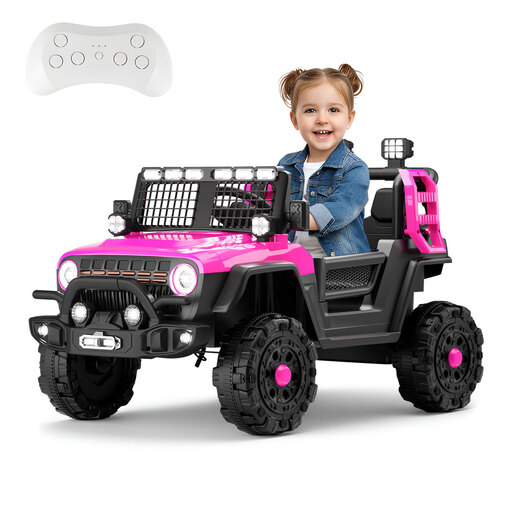
Why it's a great fit: Ideal for parents looking for a reliable and safe first electric car. It focuses on the essential safety features for rides on flat surfaces like the driveway or patio.
This model includes suspension and a parental remote control, counteracting the common flaws of budget vehicles (bumpy ride, lack of control).
The combination of a 12V system, suspension, and Bluetooth functionality offers a solid, entry-level package.
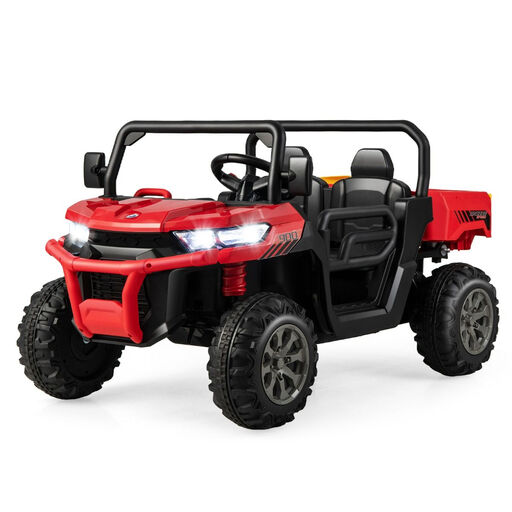
Why it's a great fit: Designed for two children, this `two-seater kids' electric car` offers a high weight capacity and dual motors. It's robust enough for backyard use and shared rides between siblings or friends.
With a 50 kg weight capacity and four-wheel suspension, it's built for more demanding conditions and use by two children, where weaker models would fail.
The combination of two seats, dual motors, and a soft-start feature makes it a safe and durable choice for families with multiple children.
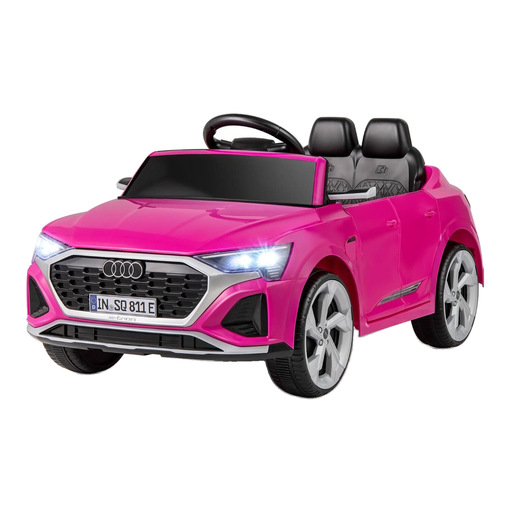
Why it's a great fit: For those who value authentic design and high-quality details. As an officially licensed product, it offers a realistic driving experience modeled after the original.
This model combines design with function: It includes a soft-start feature and suspension, which are often missing from purely "show" models.
The officially licensed Audi design with LED headlights and authentic details provides an especially immersive play experience without compromising on safety.
We've compiled a complete, up-to-date list of products that meet these strict selection criteria and safety requirements.
The actual runtime of a 12V battery varies depending on its capacity (Ah), the child's weight, the driving surface, and driving style. On average, you can expect a runtime of 45 to 90 minutes per charge. Models with a higher ampere-hour rating (e.g., 7Ah or more) generally offer longer use.
The "ages 3 and up" recommendation is a guideline. The child's individual development is the deciding factor. Thanks to the remote control, parents can fully control the vehicle as long as the child cannot yet steer and accelerate independently. The soft-start feature is particularly important here to gently acclimate the child to the motion.
Whether an electric ride-on car is suitable for grass depends on the motor power and the wheels. 12V models with dual motors or 24V systems usually have enough power. Additionally, look for wheels with rubber tires or a deep tread, as well as suspension, to ensure good traction and a comfortable ride. Simple hard plastic wheels are generally unsuitable for lawns.