
Lieferung heute & morgen

Qualitätsgarantie

Willkommens-Angebote freischalten: KOSTENLOSE Lieferung | Bis zu 80 % RABATT | Kostenlose 30-Tage-JoyPlus-Testphase
App herunterladen
Choosing an electric ride-on car for your child can be a challenge. The market is flooded with models that promise a lot at first glance. However, behind the glossy paint jobs and loud horns often lie critical flaws that can quickly end the fun and lead to disappointment. As your Joybuy Product Recommendation Officer, I'm here to help you spot the common pitfalls and make an informed decision.
Many parents report three core problems after their purchase:
These problems can be avoided by paying attention to the right technical specifications before you buy.
Instead of being swayed by marketing promises, you should examine three core technical aspects. These are the ultimate determinants of your child's safety, the vehicle's durability, and the overall fun factor.
The battery's voltage is one of the most important indicators of performance.
Therefore, look for the 12V specification to ensure the vehicle is versatile and the enjoyment will last.
Modern kids' electric ride-on cars should have several standard safety features that give parents control and keep the child protected.
The choice of vehicle type depends on the child's age and the intended use.
Look for the use of robust PP (Polypropylene) plastic instead of brittle, low-grade plastic, and for suspension on the wheels to absorb bumps and provide a more comfortable ride.
Here are a few models that represent a smart choice for different user profiles, based on the criteria mentioned above.
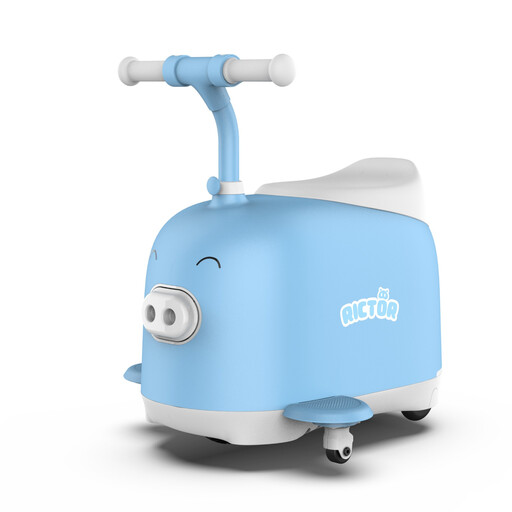
Why It's a Match: Ideal for parents seeking maximum control and stability for younger drivers. The innovative design and app control offer a level of safety that goes beyond a standard remote.
Directly addresses safety concerns. The 5-wheel system and low centre of gravity minimise tipping risk, while the app control gives parents full authority over the speed.
High stability thanks to the 5-wheel design. Parental app control for speed limiting. Foldable design for easy transport.
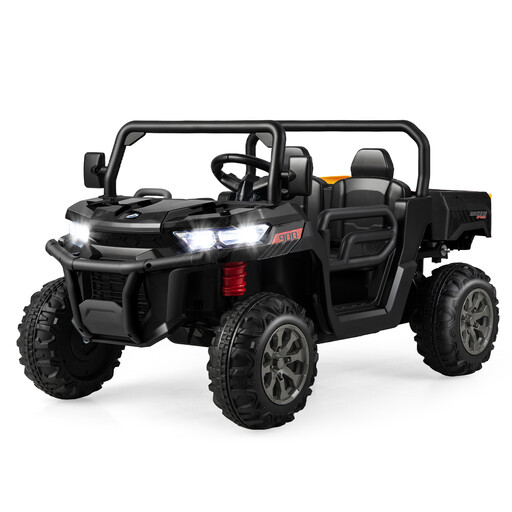
Why It's a Match: Perfect for siblings or when friends come to visit. The high weight capacity and two seats make this vehicle a durable investment for shared outdoor fun.
Solves the problem of inadequate weight capacity and size. With a load capacity of 50 kg and two seats, it's designed for several years of use and two children at once. The 12V dual motors provide ample power.
Two seats for double the fun. High weight capacity (50 kg) and robust construction. Includes 2.4G remote control and suspension for all-terrain capability.
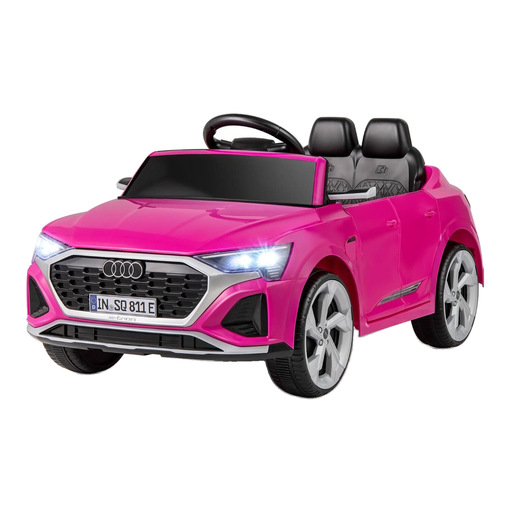
Why It's a Match: For kids and parents who value authentic design and brand quality. This officially licensed model combines a realistic look with all the essential safety and performance features.
Delivers the certified quality you expect from a licensed product. It bypasses the disappointment of cheap knock-offs and reliably integrates key 12V performance and safety standards (soft-start, remote control).
Officially licensed Audi design for a realistic driving experience. Reliable 12V drive with two motors. Comprehensive safety equipment.
We've curated a complete, real-time list of products that fully meet these strict selection criteria and UK safety regulations.
Most models with a remote control are suitable for children from around 3 years old. At this age, parents can fully control the vehicle. From about 4-5 years, children begin to drive independently, with the remote control serving as a safety backup. Always check the manufacturer's specific age recommendations and the vehicle's size.
The main difference is performance. A 6V car is intended for toddlers and smooth surfaces. A 12V kids' electric car has more power, handles uneven terrain like grass better, and typically offers a longer ride time per charge. For children aged 3 and up, a 12V model is usually the more future-proof choice.
A remote control is a crucial safety feature, especially for children under 5. It allows parents to intervene at any time, adjust the speed, or stop the vehicle immediately. A 2.4G remote control is the standard here, as it ensures a stable and exclusive connection to the vehicle.