
Lieferung heute & morgen

Qualitätsgarantie

Willkommens-Angebote freischalten: KOSTENLOSE Lieferung | Bis zu 80 % RABATT | Kostenlose 30-Tage-JoyPlus-Testphase
App herunterladen
A kids' electric car is at the top of many wish lists. The idea of little ones driving their own vehicle through the garden or park is captivating. However, the selection is vast, and not every model lives up to its advertising promises. Before you make a decision, it's crucial to understand the common pitfalls that often only become apparent after the purchase, leading to disappointment.
As your Joybuy Product Recommendation Officer, I'm here to help you navigate the jungle of options. We'll focus on the facts and show you what really matters to ensure the driving fun lasts.
Many vehicles look high-quality at first glance, but a closer inspection often reveals flaws that can spoil the fun and compromise safety.
To avoid these pitfalls, you should carefully examine three core technical aspects. These are the primary determinants of the vehicle's safety, performance, and durability.
The battery's voltage is a direct indicator of the vehicle's power.
A safe electric ride-on car is distinguished by a combination of several features.
Consider who will be using the vehicle.
Here are some models that, based on objective features, are suitable for different user profiles.
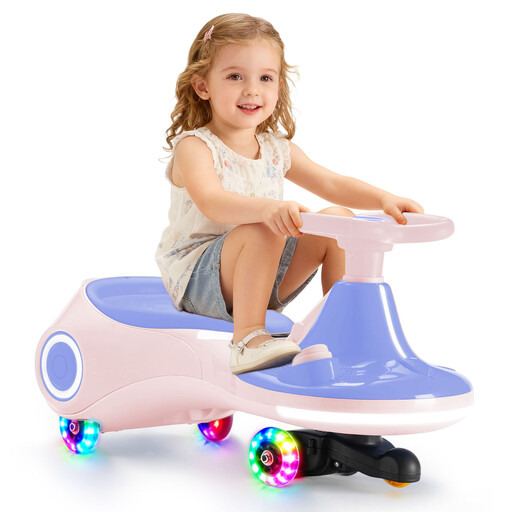
Why it's a match: This 3-in-1 vehicle combines a classic wiggle car with an electric drive. It's intuitive to operate and is perfect for younger children aged 3 and up who want to develop their motor skills playfully.
The low-to-the-ground design and anti-roll protection counteract the risk of tipping over. The moderate speed is ideal for beginner drivers and prevents them from feeling overwhelmed.
The 3-in-1 functionality (wiggle scooter, pedal drive, electric drive) and integrated Bluetooth music function provide long-lasting and varied fun.
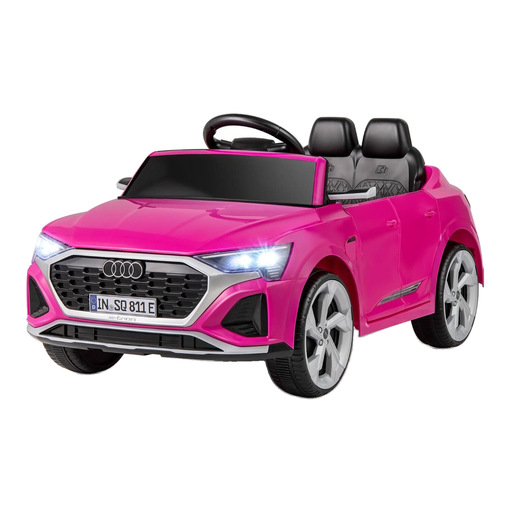
Why it's a match: For kids who want a car that looks just like the real thing. The official Audi license, LED headlights, horn, and realistic cockpit provide an authentic driving experience.
This model combines appealing design with essential safety features. It includes a remote control with 3 speed settings and a soft-start function.
The officially licensed Audi design and comprehensive parental remote control offer a perfect combination of fun and supervision.
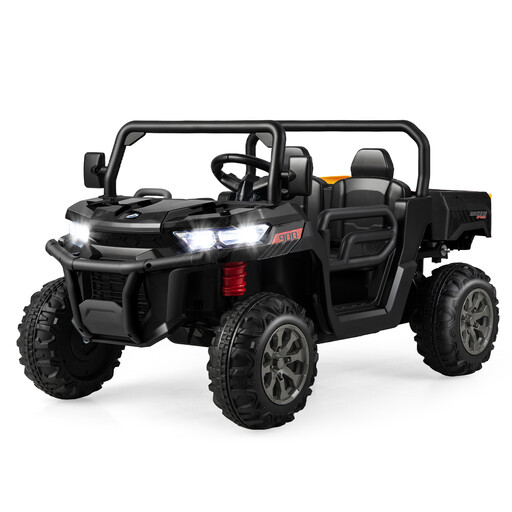
Why it's a match: Specifically designed for two children, this vehicle features two seats and a high weight capacity of 50 kg, providing ample space and stability for siblings or friends to ride together.
Unlike one-seaters that can become unstable when overloaded, this model is built from the ground up for two passengers. The dual motors ensure that performance doesn't suffer, even at full capacity.
A true 2-seater ride-on car with a high weight capacity of 50 kg and four-wheel suspension for a comfortable ride, even with two passengers.
We've curated a full, up-to-date list of products that fully meet these strict selection criteria and safety standards.
Most manufacturers recommend their models as a ride-on car for ages 3 and up. At this age, motor skills are generally developed enough to handle the basic controls of the vehicle. For younger children (1-3 years), there are special, slower models like an electric push car, which can often be fully controlled by remote. The child's individual development is always the most important factor.
The battery life depends on several factors: the child's weight, the surface texture, and the driving speed. On average, you can expect a 12V kids' electric car to have a runtime of about 45 to 90 minutes per charge. The charging time is typically 8 to 12 hours.
Whether a vehicle is suitable for grass depends on its motor power and wheels. Models with 6V batteries are usually not suitable for this. A 12V vehicle with two motors and treaded plastic or rubber wheels can typically handle short, dry grass without a problem. For more uneven or damp terrain, models with 24V and true suspension are the better choice.